

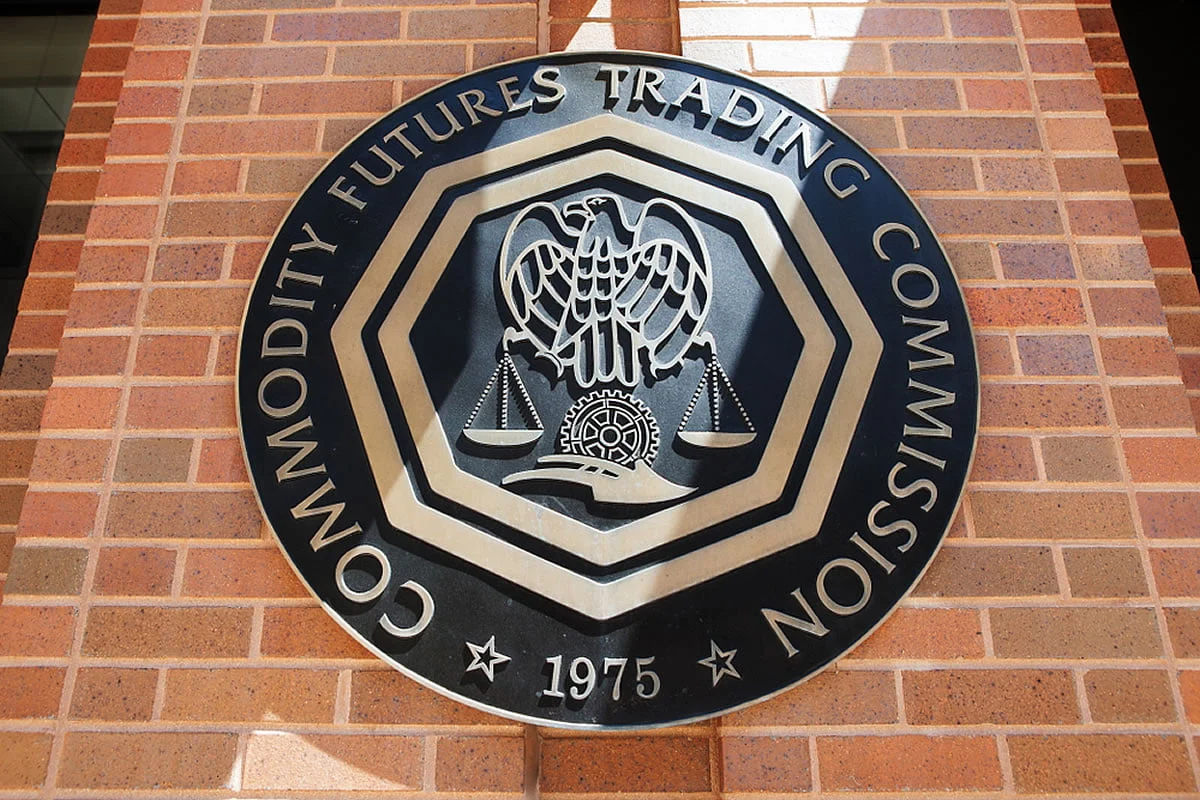
The rapid evolution of financial technology has once again outpaced the slow machinery of the law. In a high-stakes legal confrontation that could redefine the boundaries of American finance, the Commodity Futures Trading Commission (CFTC) has initiated a federal lawsuit against officials in Kentucky. This move, centered on the legitimacy of "event contracts," marks a pivotal escalation in the federal government’s attempt to assert preemptive authority over a rapidly growing, albeit controversial, sector: prediction markets.
At the heart of the dispute is a fundamental question: are prediction markets—platforms where users wager on the outcomes of everything from presidential elections to Federal Reserve interest rate decisions—financial derivatives, or are they mere gambling products subject to the jurisdiction of state gaming commissions? The outcome of this case will not only determine the survival of platforms like Kalshi and Polymarket but will also set a precedent for how the U.S. treats emerging digital-asset market structures.
The Core Conflict: Federal Oversight vs. State Sovereignty
The CFTC’s legal action against Kentucky is not merely a regional spat; it is a defensive maneuver intended to establish federal supremacy. By asserting that event contracts fall under the purview of the Commodity Exchange Act (CEA), the CFTC is attempting to shield federally registered platforms from the patchwork of state-level anti-gambling statutes.
The Legal Divide
The regulatory tension arises from the dual nature of these markets. To the platforms, these are sophisticated "information markets" that provide price discovery, allowing participants to hedge risks associated with political and economic uncertainty. To state regulators, however, these markets often bear the hallmarks of sports betting or unregulated lotteries.
If state gambling regulators are permitted to enforce their own rules, the result would be a fractured compliance landscape. A platform might be legal in Delaware but deemed an illegal betting house in Kentucky, forcing firms to geofence users or exit certain markets entirely. Conversely, if the CFTC prevails, it creates a national "gold standard" for event contracts. While this offers clarity, it also subjects these firms to rigorous federal oversight, including capital requirements, reporting mandates, and consumer protection protocols that are far more stringent than current state-level gaming oversight.
Chronology: The Road to the Courtroom
The path to the current lawsuit is the result of years of mounting friction between federal agencies and state-level authorities.
- 2021–2022: The emergence of modern prediction market platforms begins to draw regulatory attention. Companies like Kalshi secure CFTC designation as a Contract Market (DCM), while others operate in gray zones, often utilizing offshore liquidity or decentralized protocols.
- Late 2023: Federal regulators begin to notice a spike in volume related to high-profile political events. The CFTC expresses concerns regarding the integrity of these markets and their potential impact on public perception of elections.
- Early 2024: State-level scrutiny intensifies. Kentucky officials, citing state laws prohibiting unauthorized gambling, move to scrutinize or block access to platforms that allow citizens to bet on real-world events.
- Mid-2024: The CFTC files suit against Kentucky, arguing that the state’s attempt to restrict these markets is a violation of federal preemption. The agency asserts that because these contracts are federally regulated derivatives, state law is effectively "preempted" (or overridden) by federal authority.
- Current Status: The case is now moving through the federal court system, with legal experts suggesting it could eventually reach a federal appellate court or even the Supreme Court, given the constitutional implications regarding federal versus state powers.
Supporting Data: Why Crypto and DeFi Are Watching
Prediction markets have become a focal point for the digital-asset industry because they rely on the same infrastructure that powers decentralized finance (DeFi).
The Convergence of Assets
Platforms like Polymarket have become the "killer app" for stablecoins. By allowing users to bet on outcomes using USDC, these platforms have driven significant volume into the crypto ecosystem. Furthermore, the use of "on-chain" data to settle these bets—using smart contracts to trigger payouts based on external API data—demonstrates the practical utility of blockchain technology in automating complex financial transactions.
Market Dynamics
Recent data indicates that during periods of political volatility, prediction market volume often eclipses that of traditional retail trading platforms for similar assets. Investors use these markets as a barometer for public sentiment, often treating the "odds" on a candidate or an economic metric as a more reliable indicator than traditional polling or expert analysis. This "wisdom of the crowd" mechanism is what proponents argue makes these platforms essential tools for modern risk management.
Official Responses and Industry Perspectives
The regulatory landscape is currently divided, with participants taking vastly different stances based on their mandates.
- The CFTC’s Stance: The Commission argues that its regulatory framework is designed to prevent fraud, manipulation, and abusive practices. By forcing prediction markets under the CEA, the CFTC believes it can maintain market integrity and protect retail investors without stifling innovation.
- The State of Kentucky: Kentucky officials maintain that they have a duty to protect their citizens from the risks of unregulated gambling. They argue that calling a bet on an election "a derivative" is a semantic exercise designed to bypass long-standing state laws.
- Industry Players (Kalshi, Polymarket): While these firms generally welcome federal oversight as a means of legitimizing their business, they are wary of the "regulatory capture" that could follow. Their ideal outcome is a clear federal pathway that allows for innovation without the stifling weight of traditional banking-style compliance.
Implications: The Long-Term Financial Impact
The resolution of this case will likely dictate the next decade of financial market design.
Impact on Product Innovation
A victory for the CFTC would likely trigger an "innovation gold rush." If platforms have a clear, federally sanctioned rulebook, venture capital will flow into the sector, leading to more complex instruments. We could see markets for everything from climate change risk to corporate earnings projections, fundamentally changing how hedge funds and retail investors hedge their positions.
Impact on Geofencing and Access
Should Kentucky win, the landscape will likely become a "geofenced minefield." Companies would be forced to adopt aggressive IP blocking and identity verification measures, which could push the industry further into the shadows. This would likely drive users toward truly decentralized, permissionless protocols that operate outside of any single jurisdiction—a move that would be harder to regulate but arguably more dangerous for the average consumer.
The Political Dimension
Prediction markets are inherently controversial. By turning public policy, elections, and social movements into assets, they transform civic life into a commodity. This raises profound ethical questions: Does betting on an election diminish the sanctity of the democratic process? Or does it merely quantify the risks associated with it? The court’s decision will be influenced by these broader societal concerns, as the judiciary often seeks to interpret the law in a way that minimizes social friction.
Conclusion: A Defining Moment for Modern Finance
The conflict between the CFTC and Kentucky is the latest chapter in the ongoing struggle to define "finance" in the digital age. As market structures become more fluid and technology removes the barriers to global participation, the traditional boundaries of federal and state power are being stretched to their breaking point.
For the observer, this case is not just about a specific legal dispute over event contracts. It is about the future of the American financial system. Will it remain a rigid, geographically bounded entity, or will it evolve to embrace the decentralized, information-rich, and high-velocity nature of the 21st century?
The final verdict will be a landmark decision. Whether the courts favor federal supremacy or state authority, the result will fundamentally reshape the landscape for traders, crypto enthusiasts, and the regulators who oversee them. As we wait for the court’s decision, one thing remains clear: the era of prediction markets as a "fringe" activity is over. They have arrived as a serious, albeit contentious, financial category, and they are here to stay.
