

In an era defined by the rapid commodification of personal information, the boundary between digital identity and private property has become increasingly blurred. As big data companies continue to refine their ability to profile, predict, and influence human behavior, a counter-movement is emerging—one that seeks to reclaim agency through the very technologies that have often been used to track us: blockchain and non-fungible tokens (NFTs).
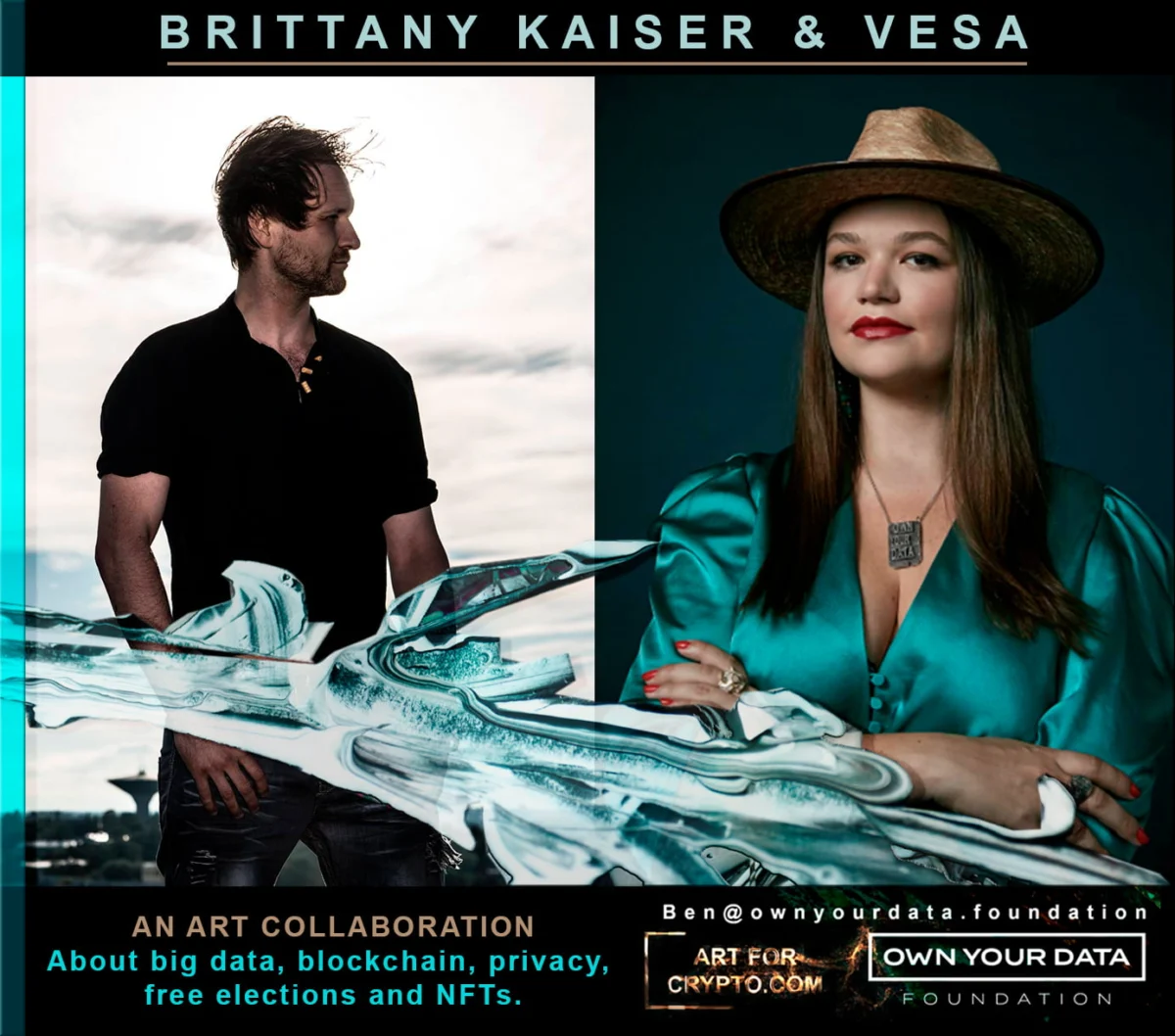
This movement is embodied in a unique collaboration between Brittany Kaiser, the prominent Cambridge Analytica whistleblower, and renowned crypto-artist VESA. Together, they are bridging the gap between high-stakes investigative advocacy and the expressive potential of blockchain-based art. This partnership represents a pivotal moment in the intersection of digital rights and the burgeoning NFT market.
Main Facts: A Convergence of Advocacy and Art
The partnership centers on a shared belief: that data must be treated as personal property, legally protected and owned by the individual rather than the corporations that exploit it. Brittany Kaiser, co-founder of the Own Your Data Foundation, has spent years in the public eye advocating for data sovereignty, most notably since her exposure of the unethical data-harvesting practices at Cambridge Analytica.
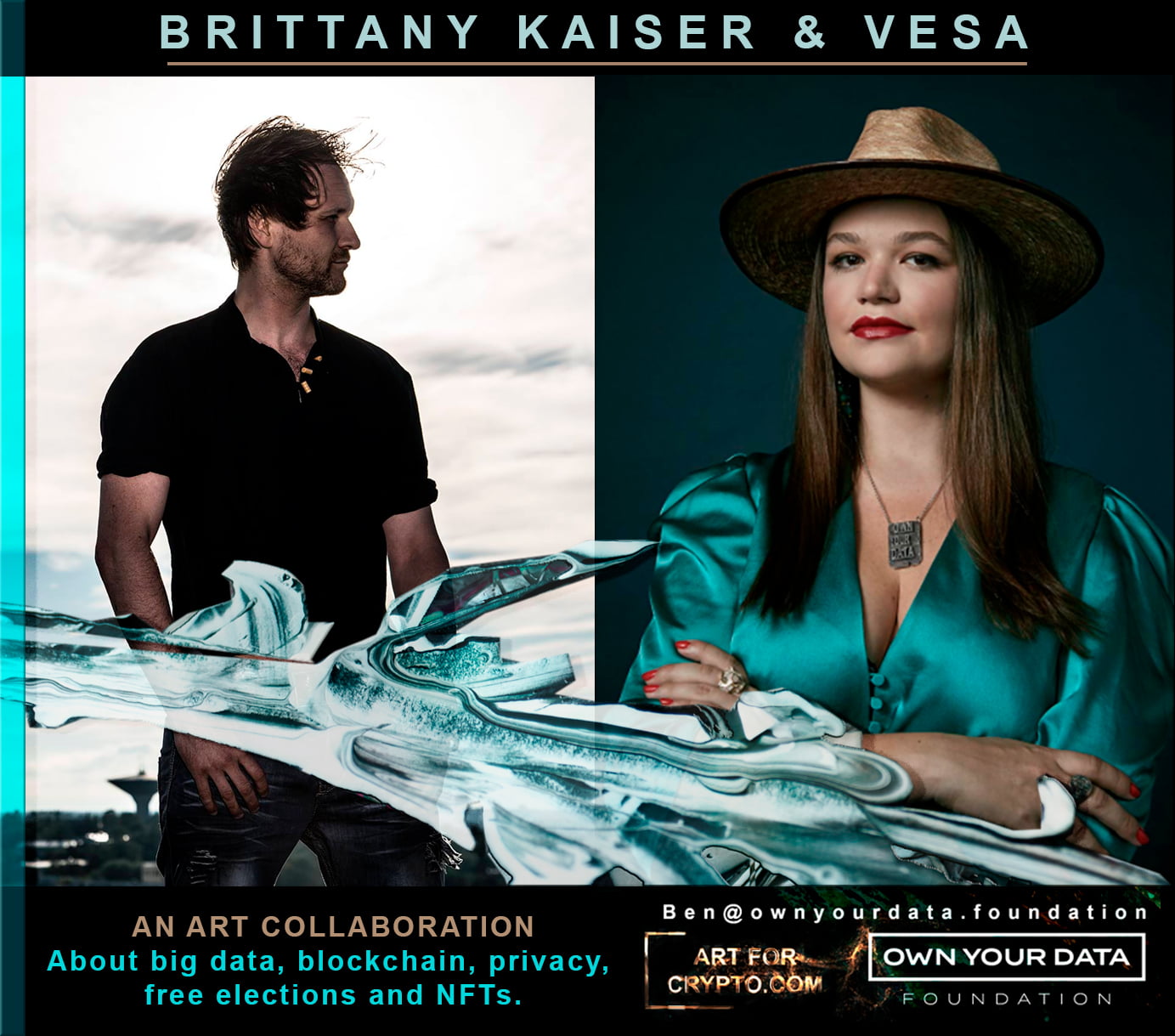
Her narrative, which gained global recognition through the Netflix documentary The Great Hack, highlights the systemic "strip-mining" of personal data. To amplify this message, she has partnered with VESA, a pioneer in the "Artevo" movement—a fusion of physical mixed media and digital blockchain assets. The collaboration aims to produce a series of artworks that serve as both aesthetic objects and political manifestos. These works are slated for a high-profile launch in London, a digital immersion in the Crypto Voxels metaverse, and a subsequent physical exhibition in New York.
Chronology: From Whistleblowing to Blockchain Canvas
The trajectory of this project is rooted in the aftermath of the Cambridge Analytica scandal.
- 2018–2019: Following her testimony before the British Parliament and her public emergence as a whistleblower, Brittany Kaiser shifted her focus to policy reform and education. She established the Own Your Data Foundation to empower individuals to control their digital footprint.
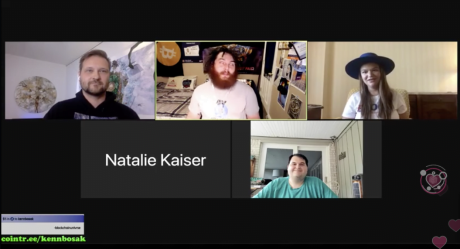
- Late 2020: The collaboration was officially unveiled via a launch podcast featuring Kenn Bosak, Brittany Kaiser, Natalie Kaiser, Ben Leff, and VESA. The announcement set the stage for a multidisciplinary exhibition.
- January 2021: The creative process moved to Helsinki, where VESA and Kaiser began the collaborative development of the physical-digital hybrid pieces.
- Spring 2021 (Projected): The vision included a red-carpet event in London, marking the physical debut of the collection, coinciding with a virtual exhibition in the Crypto Voxels metaverse.
- Post-Launch: The project intended to maintain momentum through a secondary physical auction in New York, solidifying the collection’s presence in both the art and crypto-collectible markets.
Supporting Data: The Scale of the Digital Crisis
The necessity for this collaboration is underscored by the sheer scale of the data privacy crisis. The Great Hack, which chronicles Kaiser’s journey, has reached an audience of over 100 million viewers on Netflix. Its nomination for both BAFTA and Oscar awards underscores the global resonance of the issue.

The "data strip-mining" described by Kaiser is not merely a technical concern; it is a human rights issue. As blockchain technology evolves, it offers a structural alternative to the centralized databases that characterized the Cambridge Analytica era. By tokenizing art that addresses these themes, the project seeks to utilize the transparency and immutability of the blockchain to create a "bullseye" for the community—a focal point for those interested in the ethical evolution of our digital infrastructure.
As Kaiser has famously stated: "If we want protection, we need to start thinking of our data as our property, because, if no one has noticed, property is held up and protected legally."
Official Responses and Strategic Direction
The project is being managed with professional rigor to ensure its message is not lost in the hype of the NFT market. Benjamin Leff, Director of Communications at the Own Your Data Foundation, serves as the primary point of contact for institutional partners and potential sponsors.
The partnership emphasizes transparency and intentionality. By involving high-profile figures from both the blockchain and advocacy sectors, the team is working to bridge the gap between "crypto-native" enthusiasts and the mainstream public. The Own Your Data Foundation continues to act as the intellectual anchor, ensuring that the art produced remains deeply connected to the mission of data privacy, while VESA provides the aesthetic framework that renders complex technical concepts into visceral, visual experiences.
Implications: Reclaiming Agency in the Digital Age
The implications of this collaboration are profound. By tokenizing artworks about data privacy, the project is testing whether the NFT medium can function as a tool for political discourse rather than merely speculative asset growth.
1. The Tokenization of Advocacy
If art can be used to capture the public’s attention regarding complex, abstract concepts like "data ownership," then NFTs become more than just digital collectibles—they become "proof of awareness." Owners of these pieces are not just holding assets; they are holding digital stakes in a movement that demands a new social contract with big tech.
2. Decentralization as a Solution
The use of virtual spaces like Crypto Voxels allows for a global, borderless exhibition that is itself decentralized. This mirrors the ethos of the data sovereignty movement: if the system that stores our data is decentralized, the power dynamics shift from the corporation back to the user.
3. Bridging the Physical and Digital
The "mixed media" approach—creating physical pieces and pairing them with digital tokens—ensures that the message survives across different platforms. This hybridity is essential for longevity. While a digital file can be viewed instantly, a physical painting carries the gravitas of traditional art history, helping to legitimize the discourse around data rights for a broader audience.
Conclusion: Looking Toward the Future
The collaboration between Brittany Kaiser and VESA is more than a commercial venture; it is a cultural intervention. By turning the lens toward the very mechanisms that have compromised our privacy, they are inviting the public to participate in a conversation about the future of human autonomy.

As the Own Your Data Foundation continues its work, and as the art world continues to grapple with the role of blockchain technology, this project stands as a landmark example of how high-level advocacy can leverage emerging technologies to drive change. Whether through the lens of a documentary, the strokes of an artist, or the code of a blockchain, the message remains consistent: our data is our property, and it is time we began to treat it as such.
For those interested in supporting this intersection of technology and civil liberty, the project offers a unique vantage point into the future of digital existence. As the project matures, it remains a "bullseye" for the blockchain community—a reminder that the true value of any technology lies in its ability to empower the individual.
Disclaimer: This article is for informational and educational purposes only. It does not constitute financial advice. All investments in blockchain-related assets carry inherent risks. Readers are encouraged to perform their own due diligence before participating in any digital asset auctions or investment opportunities.
