

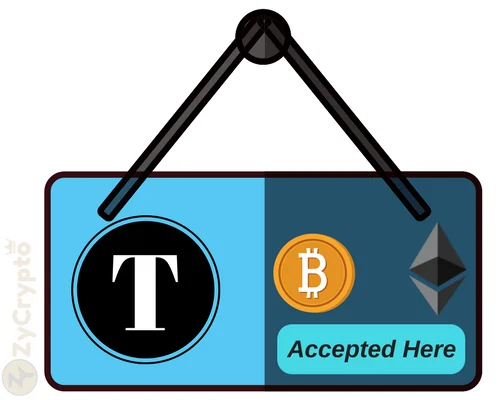
In a significant move that signals the deepening integration of decentralized finance into the traditional service sector, Calgary-based Trademark Renovations Ltd. has announced a landmark policy shift. Starting March 1, 2018, the multi-award-winning luxury renovation and custom home building firm will begin accepting Bitcoin (BTC) and Ethereum (ETH) as legitimate forms of payment for its suite of services.
This decision positions the company as a pioneer in the Canadian construction industry, marking a departure from traditional fiat-only financial models. By embracing blockchain-based assets, Trademark Renovations is not merely adopting a payment method; it is aligning itself with a global technological shift that is redefining how businesses interact with capital, cross-border logistics, and customer convenience.
The Core Facts: A New Payment Standard
Trademark Renovations Ltd. has built a reputation for excellence in the Calgary region, specializing in comprehensive home renovations, intricate basement developments, and bespoke custom home builds. By integrating cryptocurrency into its financial operations, the company aims to streamline its payment processing and provide its clientele with greater flexibility.
The move is strategically timed. As digital assets move from the periphery of speculative investment toward mainstream utility, forward-thinking enterprises are recognizing the advantages of blockchain technology. The adoption of BTC and ETH represents a commitment to innovation, allowing the firm to cater to a demographic of tech-savvy homeowners and investors who increasingly prefer to settle high-value transactions using digital wealth rather than traditional banking conduits.
Chronology of the Digital Transition
The journey toward this announcement did not occur in a vacuum. It follows a period of rapid development in the global cryptocurrency ecosystem throughout 2017 and early 2018, a time characterized by unprecedented interest in blockchain technology.
- Pre-2018: Trademark Renovations observed the growing volatility and subsequent maturation of the crypto market, assessing how decentralized ledger technology could serve the construction industry.
- Early 2018: The leadership team, spearheaded by owner Blair Foisy, finalized the administrative and legal frameworks necessary to safely process and hold digital assets.
- March 1, 2018: The official activation date. On this day, the company transitioned its payment gateway to include Bitcoin and Ethereum, becoming one of the first regional contractors to normalize these assets for home construction projects.
- Post-Adoption: The company began monitoring the efficiency of these transactions compared to traditional wire transfers, specifically looking at settlement speeds and reduced intermediary involvement.
Official Perspectives: The Vision of Blair Foisy
At the heart of this transition is Blair Foisy, whose leadership has steered the firm toward a culture of technological adoption. For Foisy, the decision is rooted in a fundamental belief in the utility of blockchain.
"I am excited to bring Bitcoin and Ethereum as new payment options to our customers," Foisy stated during the announcement. "We believe that blockchain technology and cryptocurrencies will become an important part of everyday transactions for consumers and are happy to be able to offer this new payment alternative for our services to the Calgary public."
Foisy views the adoption as a validation of the asset class itself. "The decision to start accepting Bitcoin and Ethereum is also indicative that they and other established cryptocurrencies have now developed into more broadly accepted forms of settlement," he noted. By bridging the gap between a physical trade—renovating a home—and a digital asset, Foisy is signaling that the era of crypto-utility has arrived for the construction sector.
Supporting Data and Strategic Implications
The integration of cryptocurrencies provides Trademark Renovations with several structural advantages that are often overlooked in standard business operations.
1. Hedging Against Fiat Volatility
One of the most compelling arguments for the firm’s decision involves the mitigation of exchange rate risks. Construction materials, particularly those imported from global markets, are often subject to the fluctuations of fiat currencies (such as the USD to CAD exchange rate). By operating in Bitcoin and Ethereum—currencies that operate independently of central bank monetary policies—the firm aims to stabilize its procurement processes. When a client pays in crypto, the firm creates a unique financial ecosystem that bypasses the friction of traditional forex markets.
2. Efficiency Through Decentralization
The construction industry is historically plagued by "middleman bloat"—the presence of multiple banking intermediaries that slow down payments and increase transaction fees. The peer-to-peer nature of Bitcoin and Ethereum eliminates these unnecessary layers. By accepting direct payments, the firm reduces administrative overhead, allowing for faster reconciliation of project budgets and, potentially, more competitive pricing for the end consumer.
3. Competitive Advantage in a Niche Market
Early adoption acts as a powerful marketing tool. By being the first in the Calgary renovation space to accept crypto, Trademark Renovations has effectively differentiated itself from competitors. It signals to potential high-net-worth clients that the company is modern, efficient, and technologically literate. As the digital asset market continues to grow, this reputation for forward-thinking leadership is likely to attract a demographic that prefers to keep their wealth in digital form.
Broader Industry Context
Trademark Renovations is not acting in isolation. It joins an expanding roster of global corporations—including giants like IBM and Kodak—that are actively exploring or implementing blockchain solutions. While IBM focuses on enterprise blockchain infrastructure and Kodak explores tokenization for intellectual property, Trademark Renovations focuses on the utility of the currency itself.
This trend highlights a crucial evolution: crypto is no longer just for software companies or financial services firms. It is moving into the "brick and mortar" world. The ability to purchase a luxury home renovation with Bitcoin underscores that the blockchain is capable of facilitating the transfer of real-world value with the same security and transparency that defined its early development.
Challenges and Future Outlook
Despite the enthusiasm, the path forward is not without its challenges. The volatility inherent in cryptocurrency markets requires a sophisticated treasury management strategy. Trademark Renovations must navigate the complexities of tax reporting, regulatory compliance within Alberta, and the security measures necessary to manage a digital wallet.
However, the firm remains optimistic. "Cryptocurrencies are relatively new to some, but we at Trademark Renovations encourage the support of new technologies," Foisy said. "I believe that the Blockchain and cryptocurrency revolution will positively affect all people and every industry including ours—and this is what we are doing right here in Calgary."
The Road Ahead
As the world moves toward a more digitized economy, the actions of companies like Trademark Renovations serve as a bellwether. The integration of BTC and ETH into the construction industry is likely just the beginning. Future developments could see the use of "smart contracts"—self-executing contracts with the terms of the agreement directly written into code—to automate project milestones, escrow, and payments for contractors and subcontractors alike.
By taking this bold step, Trademark Renovations has positioned itself at the nexus of the old and the new. They are demonstrating that while a hammer and a blueprint remain the foundation of construction, the ledger of the future will be written in code. For the residents of Calgary, the choice is now clear: their homes can be built with the same innovative spirit that is currently reshaping the global financial landscape.
As the firm continues to navigate this new terrain, the industry will be watching closely. Whether this model becomes the standard for construction contractors across Canada remains to be seen, but one thing is certain: the "Bitcoin fever" has officially arrived in the Calgary renovation market, and it appears to be here to stay.
