

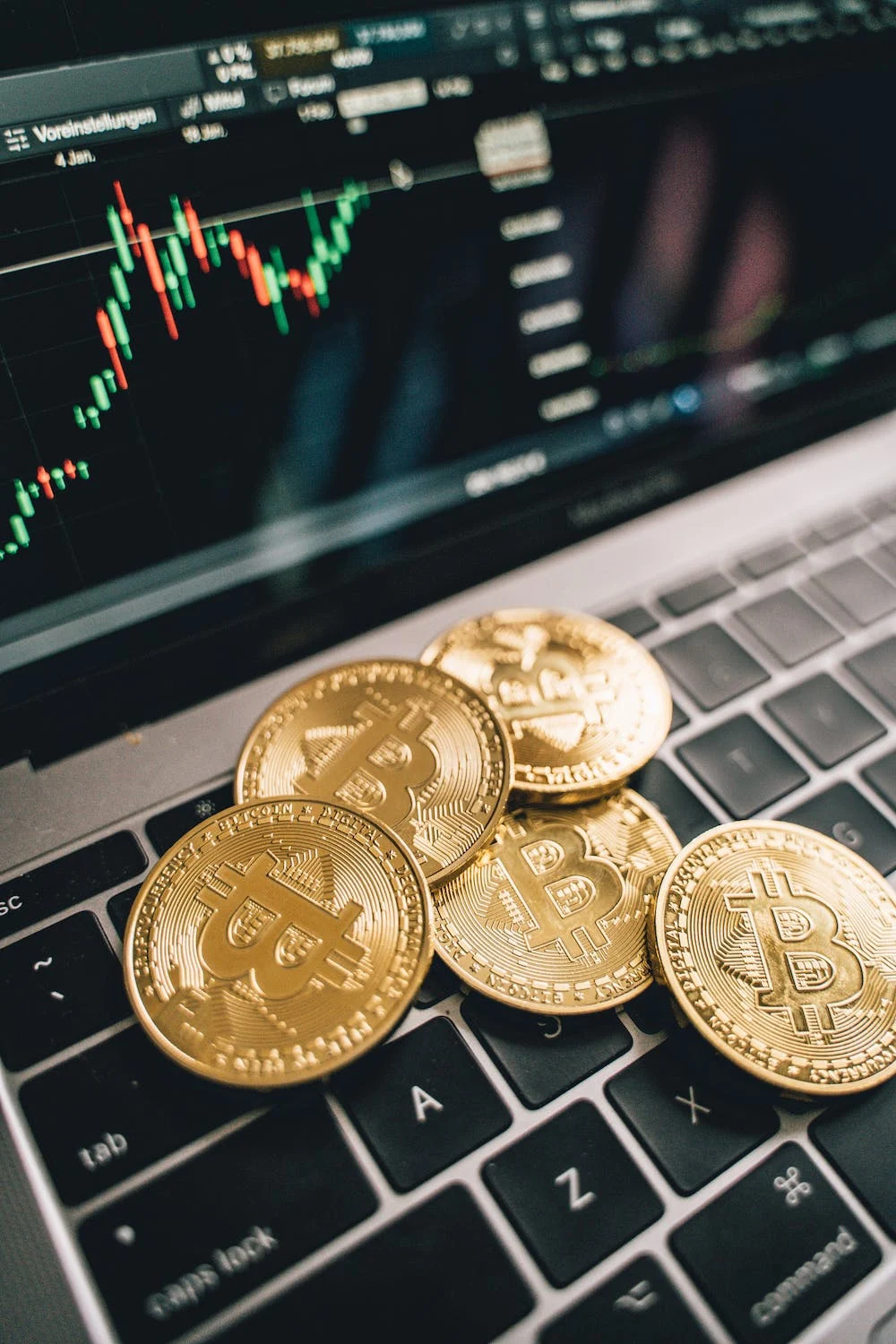
In the rapidly evolving landscape of digital asset adoption, K Wave Media has emerged as a critical case study that challenges the prevailing narrative surrounding corporate Bitcoin treasuries. For years, the market has been enamored with the "Bitcoin-as-a-reserve-asset" model—a strategy championed by industry titans like MicroStrategy, where companies leverage balance sheets to accumulate BTC, effectively turning their corporate entities into leveraged proxies for the asset.
However, K Wave Media’s recent decision to liquidate its Bitcoin holdings and pivot its capital allocation toward artificial intelligence (AI) infrastructure serves as a sobering reminder that the "Bitcoin treasury trade" is far from a one-size-fits-all solution. As the company shifts its focus to address debt obligations and modernize its operational core, it has effectively exposed the fragility that can lie beneath the surface of smaller-cap corporate treasury experiments.
The Main Facts: A Strategic Reversal
According to recent filings with the U.S. Securities and Exchange Commission (SEC), K Wave Media has officially moved away from its previously publicized Bitcoin-centric balance-sheet strategy. The firm, which had once utilized Bitcoin as a primary treasury asset, disclosed the sale of its entire BTC position. The proceeds from this divestment were not reinvested into more digital assets; rather, they were funneled toward settling outstanding debt obligations and reallocating capital into the high-growth sector of AI infrastructure.
This move is significant not because of the volume of Bitcoin liquidated—which is unlikely to influence the global spot price of the asset—but because of the signal it sends to the broader market. K Wave Media’s pivot highlights a growing disconnect between the idealistic allure of Bitcoin accumulation and the pragmatic, often unforgiving, realities of corporate finance. For investors who viewed the company’s treasury strategy as a hallmark of future-proofing, the decision to exit serves as a cautionary tale: a Bitcoin strategy is only as robust as the balance sheet supporting it.
Chronology of a Corporate Pivot
To understand how K Wave Media reached this inflection point, one must look at the timeline of its corporate evolution.
- Phase 1: Adoption and Narrative Building: In its initial push to integrate Bitcoin, K Wave Media positioned itself alongside a growing cohort of small-to-mid-cap firms seeking to emulate the "MicroStrategy effect." During this period, the company benefited from the market’s appetite for crypto-adjacent stocks, often seeing its valuation trade at a premium relative to its core business performance.
- Phase 2: The Financing Squeeze: As macroeconomic conditions tightened, the cost of capital rose. For firms relying on convertible notes and equity raises to fuel their Bitcoin accumulation, the "easy money" era came to an abrupt end. K Wave Media found itself facing the dual pressure of servicing debt while managing a volatile treasury asset.
- Phase 3: The Strategic Re-evaluation: Faced with mounting debt and a shifting investor mandate that increasingly prioritized tangible AI-driven growth over speculative asset holding, management initiated a series of balance-sheet restructurings.
- Phase 4: The Exit: The final SEC filings confirm that the company has liquidated its BTC positions to clean up its balance sheet, pivoting its operational focus to AI—a sector currently commanding massive institutional interest and capital allocation.
Supporting Data: When the Premium Evaporates
The corporate Bitcoin playbook relies heavily on the "Bitcoin Premium"—the phenomenon where investors pay a higher valuation for a company that holds BTC than they would for its core business operations alone. This premium acts as a feedback loop, allowing companies to raise cheap capital, buy more Bitcoin, and repeat the cycle.
However, data suggests this cycle is highly sensitive to external variables. When interest rates rise and credit markets tighten, the ability to sustain such a strategy without dilution becomes significantly harder.
- Debt-to-Equity Ratios: Companies like K Wave Media that utilized debt to acquire digital assets face a "double-hit" when the market turns. If the underlying business doesn’t generate sufficient cash flow, the Bitcoin treasury becomes a liability rather than a hedge.
- Investor Sentiment Shifts: The current market climate has shown a clear preference for AI infrastructure and technological utility. Capital that was previously parked in Bitcoin-heavy treasuries is increasingly migrating toward companies that demonstrate clear, scalable AI revenue models.
- Cost of Capital: The "carry trade" of Bitcoin only works when the cost of servicing the debt used to buy the BTC is lower than the long-term appreciation of the asset. When interest rates spiked globally, the mathematics of this trade shifted, turning once-accretive strategies into fiscal burdens.
Official Responses and Regulatory Context
The transparency provided by the SEC filings has been essential for market participants attempting to deconstruct K Wave Media’s rationale. In its filings, the company acknowledged that its previous treasury strategy was subject to the volatility of the crypto market, which created uncertainty for shareholders. By pivoting to AI infrastructure, the board indicated that they are seeking to align the company with "technological sectors that provide stable, long-term operational growth."
While the company has not provided a blow-by-blow narrative regarding the "failure" of the Bitcoin strategy, the implications in the financial reporting are clear: the treasury trade was a distraction from the company’s core business objectives. The shift is described as an optimization of capital allocation, a move designed to appease institutional investors who have become increasingly skeptical of companies using shareholders’ money to speculate on volatile digital currencies.
Implications for the Wider Market
K Wave Media’s exit provides three critical takeaways for the broader financial ecosystem.
1. The Maturation of the Bitcoin Treasury Theme
The Bitcoin treasury trade is no longer in its infancy. Investors are becoming more discerning, distinguishing between firms that use Bitcoin as a strategic reserve and those that use it as a gimmick to prop up a failing business model. This maturation is healthy; it forces companies to prove that their Bitcoin strategy is accretive to shareholder value rather than a derivative play.
2. The Risk of "Copycat" Models
The success of industry giants has led many smaller firms to copy the treasury model without having the deep balance-sheet reserves or the low cost of capital required to survive market downturns. K Wave Media serves as a warning that for many companies, the risks of holding Bitcoin—specifically the liquidity and volatility risks—far outweigh the benefits if the company lacks the financial structural integrity to weather a crypto winter.
3. The Institutional "Hard Questions"
Investors are now asking tougher questions. Is the company’s core business profitable? Is the Bitcoin treasury being used to mask operational deficits? What happens to the company’s solvency if the BTC price drops 30% in a quarter? These are the questions that define the current era of corporate Bitcoin adoption.
Conclusion: A Shift in Priority
The departure of K Wave Media from the Bitcoin treasury space does not signify the end of Bitcoin as a corporate asset. Major players continue to hold and accumulate. However, it does signify the end of the "automatic" success of the treasury trade.
As the market enters a new phase, investors will likely reward companies that treat Bitcoin as a strategic store of value rather than a speculative engine for growth. Companies that pivot, like K Wave Media, demonstrate that for many, the allure of the Bitcoin treasury is easily superseded by the immediate demands of operational debt and the massive, emerging potential of AI infrastructure.
For Bitcoin traders, this represents a shift toward higher-quality corporate holders. While the short-term pressure of unwinding positions might cause ripples, the long-term reality is that the market is weeding out the weaker players. The treasury trade is not dead, but it has certainly become more complicated—and perhaps, for the sake of market stability, that is exactly how it should be.
This report is based on current filings and public financial data available through the SEC. Investors are encouraged to review the full documentation on the official SEC EDGAR platform before making investment decisions.
