

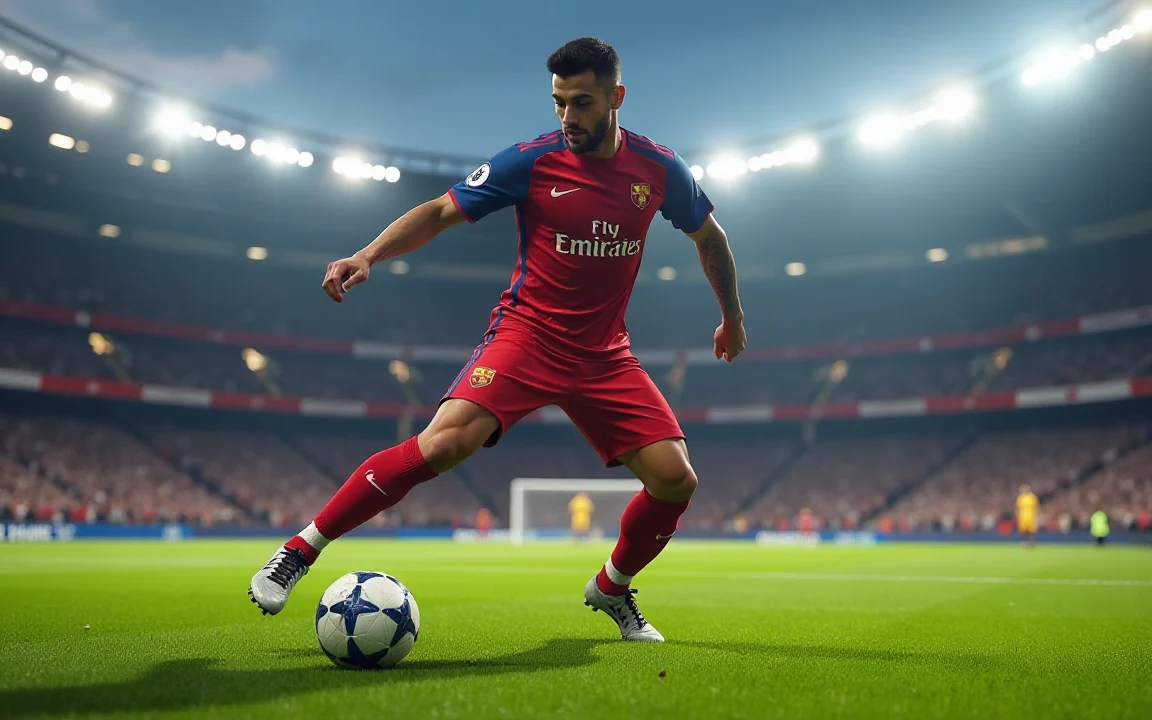
In a move that signals a paradigm shift for the intersection of global sports and decentralized technology, FIFA has announced the migration of its digital collectibles platform, FIFA Collect, to a bespoke, dedicated Layer-1 blockchain. Developed in collaboration with the Avalanche network and the technical infrastructure firm Modex, this initiative represents the governing body of world football’s most significant leap into the Web3 ecosystem to date.
The migration, slated to commence following May 20, is designed to move FIFA’s digital memorabilia away from its current host environment and onto a custom-built infrastructure. By leveraging Avalanche’s high-throughput architecture, FIFA aims to provide a more secure, scalable, and immersive environment for fans to trade, collect, and interact with football history.
The Strategic Shift: Why a Dedicated Layer-1?
For major sports organizations, the challenge of blockchain integration has historically been balancing mass-market accessibility with the technical limitations of decentralized networks. By opting for a dedicated Layer-1 blockchain, FIFA is bypassing the congestion and high transaction costs that often plague general-purpose chains.
This custom infrastructure is not merely a host for static JPEGs; it is designed to be the foundational "home" for the entire FIFA digital ecosystem. According to officials, the move will allow for significantly lower latency and enhanced security, ensuring that as the volume of fan participation grows, the user experience remains seamless. This is a critical development, as FIFA looks to transition from experimental Web3 projects to a sustainable, long-term digital engagement model.
Modex: The Technical Engine Behind the Migration
A project of this magnitude requires robust technical execution. FIFA has appointed Modex as the primary technical partner to spearhead the architecture and the migration process. Modex’s mandate is twofold: to build a high-performance Layer-1 chain and to oversee a comprehensive upgrade to the FIFA Collect marketplace.
Modex’s role extends beyond mere migration. They are tasked with ensuring that the transition for existing collectors is frictionless. By designing the architecture specifically for "football-first" applications, Modex aims to simplify the entry barrier for casual fans who may have no prior experience with blockchain technology. This includes optimizing the wallet infrastructure and the user interface of the FIFA Collect platform to match the expectations of a modern mobile gaming audience.
Chronology: From Qatar 2022 to the Avalanche Era
To understand the weight of this announcement, one must look at the timeline of FIFA’s digital evolution:
- 2022 (The Experimental Phase): During the FIFA World Cup in Qatar, the organization dipped its toes into the Web3 space by launching various blockchain-based games and digital collectibles. These early efforts were primarily focused on fan engagement during the tournament.
- Late 2023–Early 2024: FIFA began evaluating its long-term digital strategy, recognizing that a fragmented approach—using third-party platforms—lacked the cohesion required for a global brand.
- May 2025 (The Infrastructure Milestone): The announcement of the Avalanche partnership marks the official shift to a dedicated, controlled, and scalable blockchain environment.
- Post-May 20, 2025: The migration of existing FIFA Collect assets to the new Layer-1 chain begins, signaling the start of a new era for football memorabilia.
Supporting Data: Why Avalanche?
The choice of Avalanche (AVAX) as the underlying network is rooted in its unique architecture, specifically the use of "Subnets." Avalanche allows for the creation of custom, interoperable blockchains that retain the security of the primary network while offering the speed and customization required for high-frequency applications.
For FIFA, this means the ability to handle millions of transactions—whether they are NFT mints, peer-to-peer trades, or gaming interactions—without the bottlenecking associated with legacy chains. The network’s ability to finalize transactions in under a second is a key selling point, as it creates an experience that feels instantaneous, mirroring the fast-paced nature of the sport itself.
Beyond Collectibles: Gaming and Tokenized Experiences
While FIFA Collect is the inaugural application, the roadmap for this Layer-1 chain is significantly more expansive. FIFA’s documentation indicates that the infrastructure is being built to support a "football-first" digital economy. This includes:
- NFT-Based Gaming: Beyond simple trading, the platform will support games that utilize these digital assets. A prime example is FIFA Rivals, a mobile football title developed by Mythical Games. This game will integrate an NFT marketplace, allowing users to earn, trade, and use footballer NFTs in competitive matches.
- Tokenized Fan Experiences: The long-term vision includes the potential for tokenizing real-world experiences, such as access to exclusive events, stadium privileges, or voting rights on minor club or federation decisions, effectively blurring the lines between physical fandom and digital ownership.
- Cross-Platform Interoperability: Because the chain is designed to be an ecosystem rather than a silo, it provides a foundation for future third-party developers to build applications that are officially licensed by FIFA, creating a "walled garden" that is both open to innovation and protected by FIFA’s brand standards.
Official Responses and Implications
Representatives from both FIFA and Avalanche have emphasized that this move is about "democratizing access." By lowering the technical hurdles, they hope to bring blockchain-based assets to the billions of football fans who are not currently "crypto-native."
"Our goal is to build an ecosystem where the digital experience is as thrilling as the match on the pitch," noted a spokesperson close to the project. The implication for the wider industry is clear: sports organizations are moving away from outsourced, short-term promotional campaigns toward owning their own digital infrastructure. This shift effectively turns FIFA into a digital platform provider, similar to how they manage broadcasting rights or sponsorship portfolios.
The Broader Sports Economy: A Trend Toward Web3
FIFA is not alone in this pivot. The broader trend of sporting bodies embracing blockchain technology is accelerating. From the NBA’s Top Shot to various European football clubs launching fan tokens, the industry is searching for new ways to monetize fan engagement.
However, FIFA’s strategy stands out due to its scale. By building a dedicated Layer-1, they are not just renting space on an existing network; they are investing in the infrastructure that will define their digital brand for the next decade. This is a bold move that highlights a fundamental shift in how sports brands perceive digital assets: they are no longer just merchandise; they are the new currency of fan loyalty.
Challenges and Future Outlook
Despite the optimism, challenges remain. The primary obstacle is consumer education. While the technology is becoming more "invisible" (or user-friendly), the concepts of self-custody and blockchain-based ownership remain complex for the average spectator. Furthermore, the volatility of the crypto market continues to be a concern for mainstream adoption.
However, by focusing on "moments" and "gaming" rather than the speculative financial aspects of NFTs, FIFA is attempting to rebrand the technology as a utility for fans. If successful, the Avalanche-powered FIFA blockchain could serve as the blueprint for other global entities looking to bridge the gap between traditional entertainment and decentralized web infrastructure.
As we look toward the latter half of 2025, the industry will be watching closely. If the FIFA Collect migration proves stable and successful, it will likely trigger a wave of similar initiatives across the global sports landscape, fundamentally changing how fans "own" their love for the game. Whether this leads to a new golden age of digital sports memorabilia or encounters the typical hurdles of early-stage tech adoption remains to be seen, but one thing is certain: FIFA has firmly planted its flag in the world of Web3.
