

Main Facts: A Convergence of Art, Blockchain, and Virtual Reality
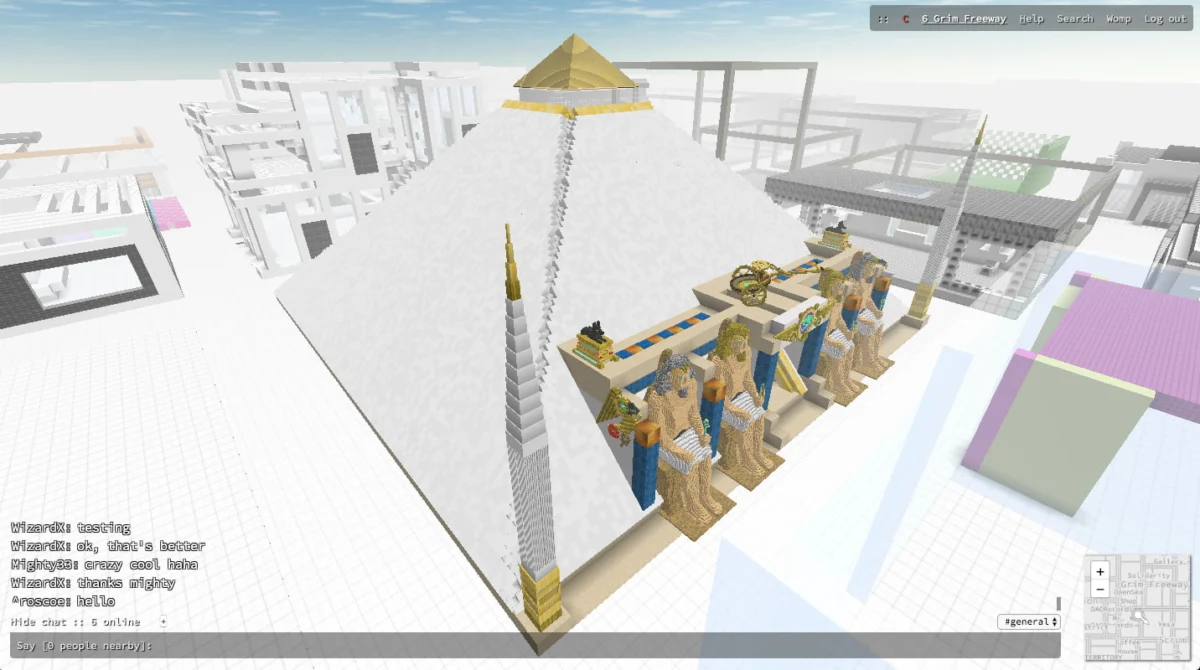
On the occasion of the Summer Solstice, a transformative event is set to reshape the intersection of digital art and blockchain technology. The "Trinity Crypto Innovation" launch, spearheaded by renowned crypto-artist VESA, represents a bold foray into the metaverse, specifically hosted within the virtual world of CryptoVoxels.
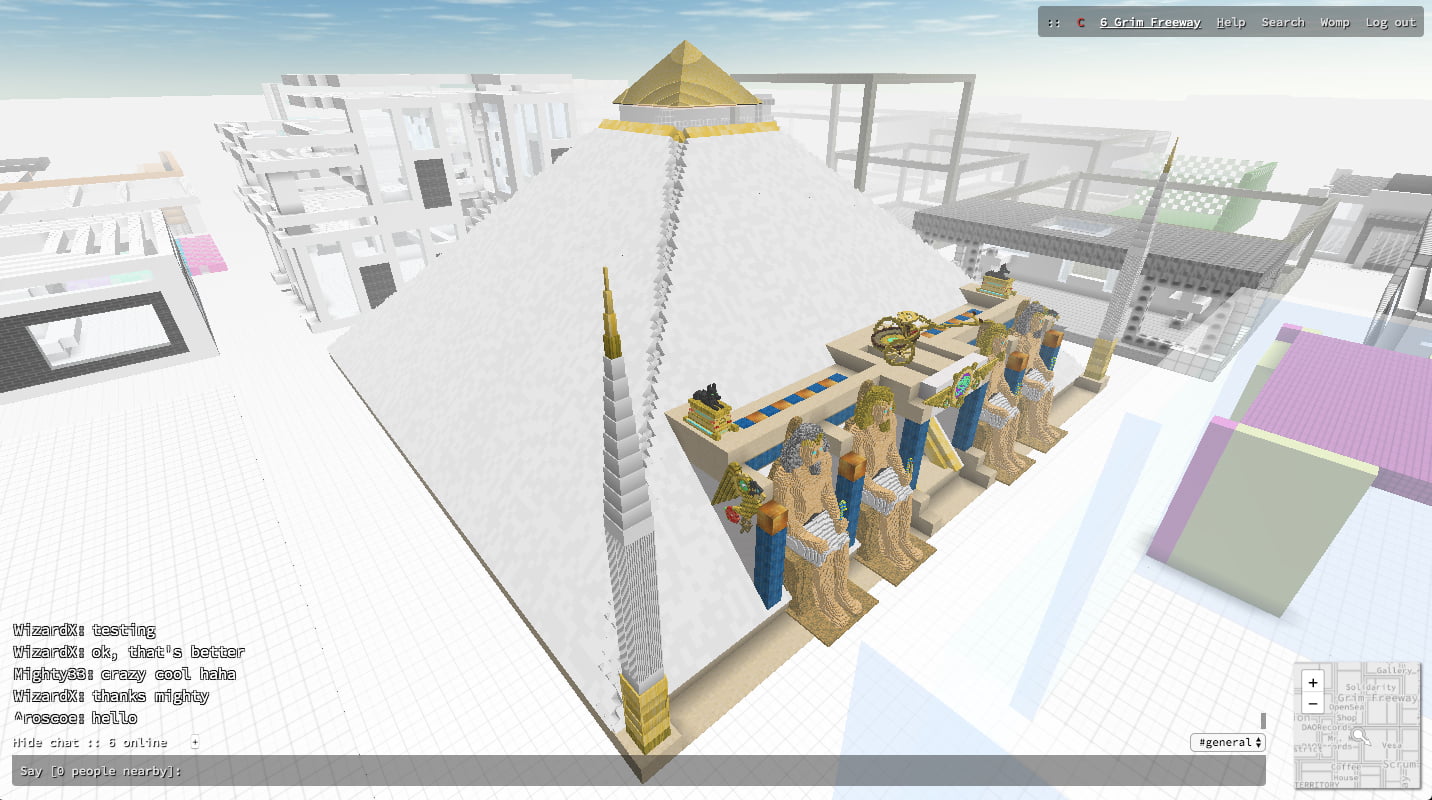
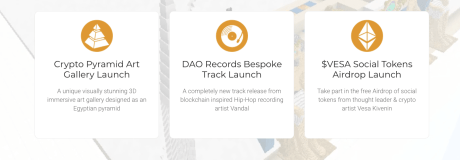
This event is not merely an exhibition; it is an immersive, gamified experience housed within a meticulously constructed digital pyramid. Designed to mirror ancient architectural proportions while integrating cutting-edge blockchain mechanics, the structure serves as a hub for "life-altering secrets" and a new wave of digital collectibility. The launch is scheduled for Saturday, June 20th, signaling a significant milestone for the CryptoVoxels ecosystem and the broader NFT (Non-Fungible Token) community.
At the heart of this launch is the introduction of the $VESA token, a digital asset designed not just for utility, but as a symbolic bridge for a community of "bohemian dimension-shifting spirit soldiers." By leveraging the decentralized nature of Ethereum and the visual storytelling of high-end digital art, the launch seeks to redefine how creators and collectors interact in a post-physical art world.
Chronology: From Concept to Digital Solstice
The road to the Trinity launch has been one of calculated innovation and community building. The project’s timeline reflects the rapid evolution of the crypto-art space:
- Early 2020: VESA begins the conceptual phase of the pyramid structure, seeking to move beyond traditional flat digital art and into 3D, interactive environments.
- Collaborative Foundation: The project secured critical support from prominent blockchain figures, most notably Whale Shark Pro, who provided the essential land parcels within CryptoVoxels to bring the vision to life.
- The Integration Phase: Throughout the second quarter of 2020, VESA worked to integrate augmented reality (AR) elements via the Artivive platform, allowing users to experience the art both in-world and in physical reality.
- The Launch Event: The culmination of these efforts is set for the Summer Solstice, June 20th. The event spans multiple time zones to accommodate a global audience: 13:30 PST, 16:30 EST, 20:30 UTC, and 22:30 CET.
The event acts as a "digital red carpet," inviting participants to enter the virtual pyramid at a specific, unified moment, emphasizing the importance of shared experience in a decentralized landscape.
Supporting Data: The Architecture of the Metaverse
To understand the scale of this launch, one must analyze the infrastructure supporting it. CryptoVoxels, the host platform, is an Ethereum-based virtual world where users can buy land, build stores, and host galleries. The Trinity pyramid is built according to "ancient proportions," a nod to the historical belief that specific geometric ratios can influence human consciousness—a theme that VESA frequently explores in his work.
The project utilizes a multi-layered technological approach:
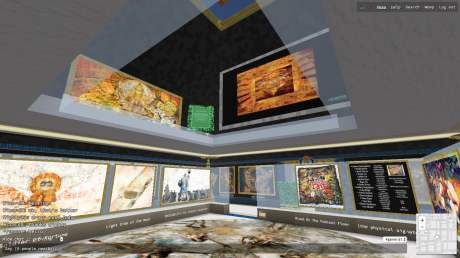
- Virtual Reality Infrastructure: CryptoVoxels provides the spatial canvas, allowing for a gamified, ever-evolving gallery experience where sound, sight, and wisdom are integrated into the architecture.
- Augmented Reality (AR): Through the partnership with Artivive, VESA has bridged the gap between the virtual and the physical. Users can use the Artivive app to scan voxel boards, which serve as massive advertising billboards in the game, bringing the static imagery to life.
- Tokenized Ecosystem: The $VESA token is the backbone of the initiative. Unlike standard utility tokens, it is marketed as a cultural identifier—a badge of entry for those who "remember their source code." Holders are granted specific, albeit mysterious, access rights within the ecosystem, turning the token into a gateway for a private, decentralized society.
Official Responses and Artistic Philosophy
VESA, a pioneer in the crypto-art movement, describes the project as an evolution of his previous work in the "Artevo" and "Crypto Art" spheres. His artistic philosophy centers on the idea that the creator and the collector are part of a single, symbiotic loop.
"The $VESA tokens are for the levitating round table knights, mystic muse crypto queens, and bohemian dimension shifting spirit soldiers," VESA stated in his pre-launch briefing. This statement underscores the project’s goal of creating a "tribe" rather than a mere consumer base. By requiring an Ethereum address and explicit consent to join the ecosystem, the project ensures that participants are active, informed agents within the blockchain space.

The collaboration with Whale Shark Pro—a legendary figure in the NFT collecting space—further validates the project’s professional standing. It suggests that major institutional players within the crypto-economy are beginning to view immersive virtual galleries as legitimate venues for high-value digital asset display and community engagement.
Implications: The Future of Digital Collectibility
The Trinity Crypto Innovation launch carries several profound implications for the future of the digital economy:
1. The Death of the Physical Gallery
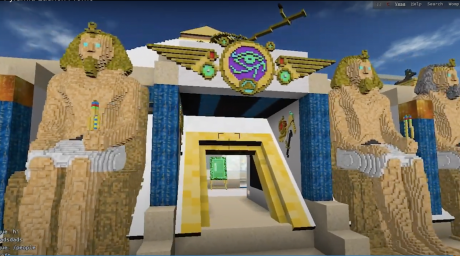
By building a pyramid of "ancient proportions" in a virtual space, VESA is challenging the necessity of physical museums. The virtual gallery allows for a level of sensory immersion—incorporating sound and interactive puzzles—that is often impossible in a traditional white-cube gallery setting.
2. Gamification of Art Ownership
The move to tokenize the community with $VESA signifies a shift from passive collecting to active, gamified participation. Collectors are no longer just owners of an image; they are stakeholders in a living, evolving virtual world. This creates a "sticky" ecosystem where the value of the asset is tied to the vibrancy and engagement of the community surrounding it.
3. The Cross-Platform Experience
The integration with Artivive demonstrates a move toward "omnipresent" art. By ensuring that the art can be experienced inside the game, on a smartphone via AR, and through traditional screens, the project ensures that the work remains relevant regardless of the user’s preferred technological interface.
4. Cultural Identity in Web3
Perhaps the most significant implication is the emergence of digital tribalism. The language used by VESA—referencing "source code" and "circular flames"—suggests that Web3 projects are moving toward building strong cultural narratives. This indicates that successful future projects will likely be those that offer not just financial returns, but a sense of identity and belonging in a digitized world.
Conclusion: Entering the Pyramid
As the digital world converges on the CryptoVoxels pyramid this Saturday, the Trinity Crypto Innovation launch stands as a testament to the maturation of the NFT space. It is a transition from the "Wild West" era of early crypto-art to a more sophisticated, architecturally conscious, and community-driven period.
For those interested in witnessing this shift, the digital red carpet is officially rolled out. Whether one is a seasoned crypto-whale, an aspiring digital artist, or a casual observer of the metaverse, the event promises to be a landmark moment in the history of internet-native culture. By combining the aesthetic precision of ancient geometry with the decentralized power of Ethereum, VESA is not just launching a project; he is proposing a new way of existing in the digital ether.
To join the launch and secure a place within the evolving ecosystem, participants are encouraged to visit the official VESA launch page and prepare their digital wallets. As the project suggests, for those who are ready to "remember their source code," the pyramid is waiting.
