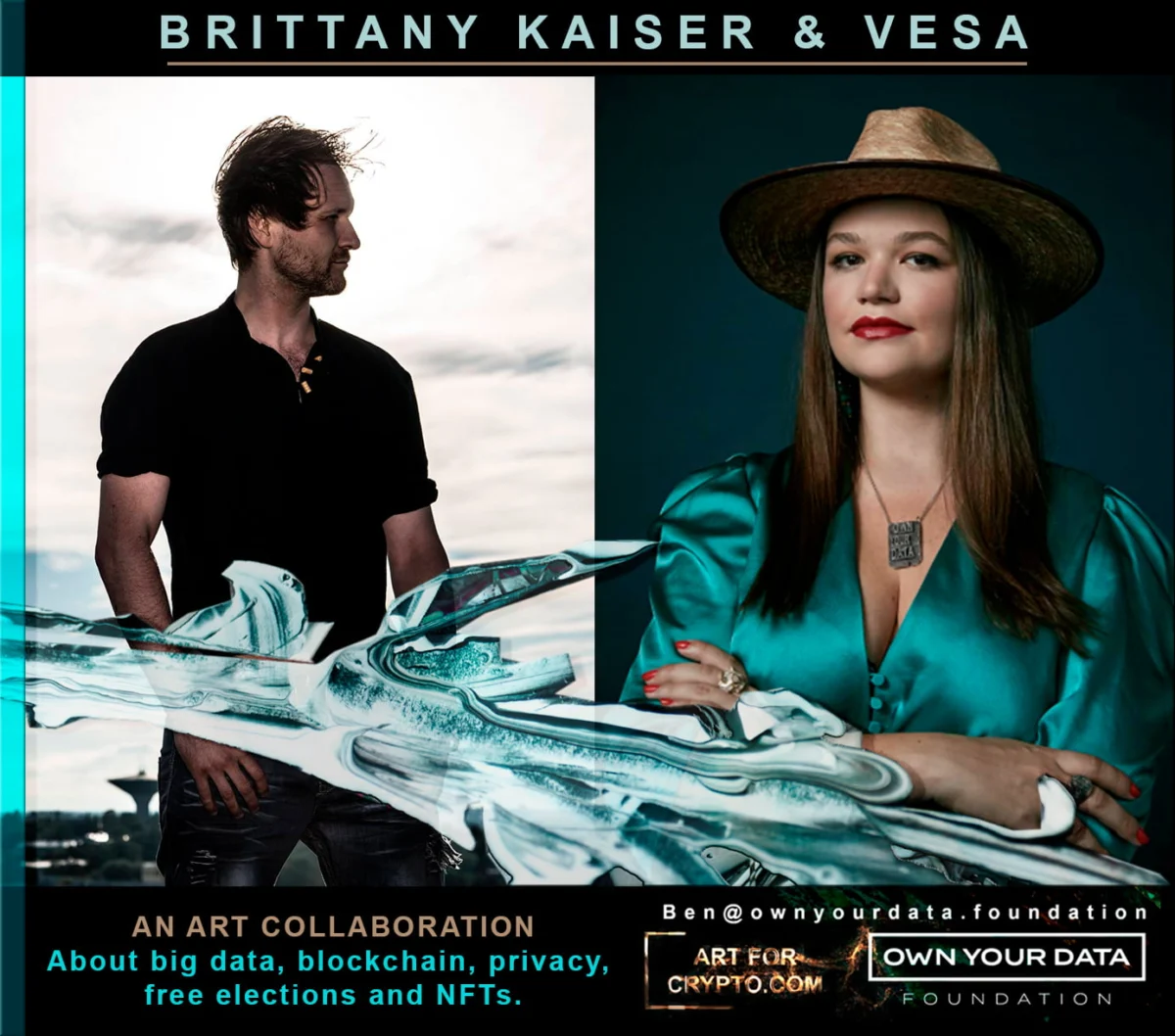
In an era where personal information has become the most valuable commodity on the planet, the intersection of blockchain technology, data rights, and digital expression has never been more critical. Brittany Kaiser, the prominent Cambridge Analytica whistleblower and co-founder of the Own Your Data Foundation, has embarked on a groundbreaking initiative that bridges the gap between the complex world of data ethics and the burgeoning landscape of Non-Fungible Tokens (NFTs).
Collaborating with renowned crypto-artist VESA, Kaiser is transforming the discourse around data security into a series of tangible and digital artistic expressions. This partnership aims to challenge the status quo, pushing for a future where individuals reclaim ownership of their digital footprints.
The Genesis of the Collaboration: Bridging Tech and Art
The partnership between Kaiser and VESA represents a fusion of two distinct, yet deeply interconnected, worlds. VESA, known for his innovation of the "Artevo" form—which combines physical mixed-media elements with digital layers—has spent years exploring the philosophical implications of blockchain technology.
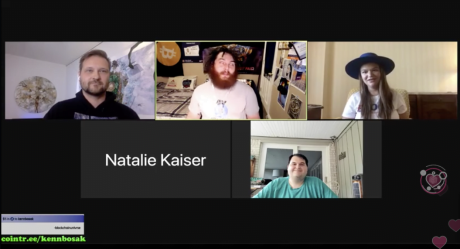
As noted in a recent launch podcast featuring industry figures like Kenn Bosak, the project is not merely about aesthetic appeal; it is a call to action. Brittany Kaiser’s trajectory—from her work at the heart of the Cambridge Analytica data scandal to her current advocacy for the "Own Your Data" movement—has made her a central figure in the debate over information security.
The core premise of their collaboration is simple but profound: Data is property. By tokenizing this narrative through art, the duo intends to reach a broader audience, translating the abstract concepts of data privacy and algorithmic exploitation into relatable visual media.
Chronology of a Movement: From Netflix to the Metaverse
To understand the weight of this artistic endeavor, one must look at the timeline of the "Own Your Data" movement:
2019: The release of the documentary The Great Hack on Netflix, which featured Brittany Kaiser, brought the realities of data strip-mining to a global audience of over 100 million viewers. The film was later nominated for both BAFTAs and Oscars, signaling the massive cultural shift in awareness regarding digital surveillance.
Late 2020: Following the global discourse generated by her story, Kaiser and VESA announced a strategic collaboration to produce a body of work that addresses these themes.
January 2021: The project moved to the development phase in Helsinki, where the physical and mixed-media components were crafted.
Spring 2021 and Beyond: The project saw a multi-phased launch, beginning with a red-carpet event in London, a metaverse debut in Crypto Voxels, and a physical auction circuit extending to New York.
Supporting Data: Why Data Ownership Matters
The urgency behind Kaiser’s work is supported by the massive scale of modern data harvesting. In the digital age, users have become the "product" rather than the consumer. The following data points highlight the necessity of this project:
Monetization of Personal Behavior: Estimates suggest that the average user’s data, when harvested and sold by big tech entities, generates thousands of dollars in value per year, yet the individual receives zero return.
The "Great Hack" Impact: With over 100 million views on Netflix, the documentary catalyzed a global conversation that forced governments to reconsider data protection legislation (such as GDPR and CCPA).
The Rise of NFTs: The NFT market provided the perfect vehicle for this project, allowing for the provable ownership and scarcity of digital assets, mirroring the demand for provable ownership of personal data.
The Philosophy of "Own Your Data"
At the heart of the project is a fundamental legal and ethical argument. Kaiser has frequently noted:
"If we want protection, we need to start thinking of our data as our property, because, if no one has noticed, property is held up and protected legally."
The collaboration with VESA explores this through "Ikigai" or a sense of purpose. By creating art that resonates with the blockchain community—the very demographic most concerned with decentralization and ownership—they are effectively gamifying the advocacy process.
The pieces created for this exhibition utilize advanced digital rendering techniques, augmented reality (AR), and physical canvas to symbolize the "layering" of information. Just as data is stripped and sold in layers by tech giants, the art is constructed in layers to reveal the underlying reality of the digital landscape.
Official Perspectives and Industry Implications
The project has garnered significant attention from both the arts and the technology sectors. By partnering with figures like Benjamin Leff, the Director of Communications at the Own Your Data Foundation, the team has ensured that the project maintains a high standard of professional outreach.
The Role of Crypto-Art in Policy Advocacy
The use of digital art as a medium for social commentary is not entirely new, but its application in the context of data rights represents a shift in how we engage with complex policy issues. By creating "collectible" advocacy, the Own Your Data Foundation is creating a sustainable funding model for their educational initiatives.
Global Accessibility
The inclusion of a metaverse launch in Crypto Voxels highlights the project’s commitment to digital inclusion. By hosting a virtual exhibition alongside physical ones, the organizers ensure that the message of data sovereignty is accessible to a global audience, regardless of their physical location.
Implications for the Future of Information Security
As we look toward the future, the integration of blockchain, AI, and decentralized finance (DeFi) will only increase the pressure on our personal data. The work being done by Kaiser and VESA serves as a cautionary tale and a guide.
The implications are threefold:
Legal Precedent: By pushing the narrative that data is property, the foundation encourages users to lobby for more robust legislation that treats digital assets with the same legal protections as physical real estate.
Technological Innovation: The project encourages the development of "sovereign identity" technologies, where users hold the keys to their own data, preventing centralized entities from hoarding it.
Cultural Shift: By normalizing the idea that our digital footprint is a valuable, personal asset, the project helps shift the public mindset from passive acceptance of data mining to active management of one’s digital identity.
Conclusion: The Path Forward
The collaboration between Brittany Kaiser and VESA is more than a series of art installations; it is a manifestation of the fight for autonomy in the digital age. As the world becomes increasingly virtual, the lines between our real-world lives and our digital identities will continue to blur.
By reclaiming our data, we are not just protecting our privacy; we are securing our autonomy. For those interested in the ongoing efforts of the Own Your Data Foundation, the project serves as a reminder that the tools for change are already in our hands—or in this case, on the blockchain.
For inquiries regarding sponsorship, exhibition opportunities, or to learn more about the initiatives of the Own Your Data Foundation, interested parties are encouraged to reach out to the project’s communications director, Benjamin Leff.
As VESA continues to pioneer the "Art For Crypto" movement, the global conversation around data, truth, and ownership will undoubtedly continue to evolve. Stay tuned for further updates as this intersection of art and advocacy continues to travel across the globe.
Disclaimer:The information found in this article is for educational purposes only. It does not represent the opinions of the publisher on whether to buy, sell, or hold any investments. Investing in digital assets carries significant risks. You are advised to conduct your own research before making any investment decisions. Use information provided on this platform entirely at your own risk.