

By Tech & AI Desk
Published: September 2026
Main Facts
The generative artificial intelligence landscape shifted once again on September 8, when OpenAI officially rolled out ChatGPT Images 2.5. Billed as a massive leap forward in visual fidelity, the update arrived with a distinct and ambitious pitch: sharper details, richer textures, more natural lighting, and—crucially—an advanced editing engine that respects unchanged elements of a scene. OpenAI claims that image-generation latency has plummeted by up to 50% compared to the previous iteration, Images 2.0.
Alongside the consumer-facing updates, OpenAI introduced two new models to its developer ecosystem: GPT-Image-2.5 Flare and GPT-Image-2.5 Sunburst. Flare has been designated as the fast default for high-speed API requests, while Sunburst is engineered for premium, pixel-level editing precision.
To test these claims, tech reviewers ran a rigorous, head-to-head benchmark matching OpenAI’s newest fast-and-precise architecture against Google’s leading mid-tier contender: Nano Banana 2 (internally known as Gemini 3.1 Flash Image). Across six distinct testing categories—ranging from complex lettering density to agentic reasoning and abstract conceptualization—the two tech giants traded blows, resulting in a dead heat that underscores how closely matched the current generation of multimodal image generators truly is.
Chronology
The Evolution of Flaws: From "Piss Filters" to Crunchy Oversharpening
To understand the significance of the Images 2.5 release, one must look at the historical trajectory of OpenAI’s visual models. Each major release has historically launched with a signature, internet-famous artifact:
- GPT Image 1: Infamous for a persistent warm, yellow color cast that the online community quickly dubbed the "piss filter"—a stylistic quirk that OpenAI never fully explained or completely mitigated.
- GPT Image 2: Addressed the color cast but introduced a new pathology. When fed prompts loaded with multiple stacked constraints, the model oversharpened the output into a "crunchy," over-processed visual mess saturated with digital artifacts.
Back in May, a notable benchmark comparison between GPT Image 2 and Google’s Nano Banana 2 saw OpenAI’s model win several categories, yet stumble heavily over its oversharpening tendencies. The lingering question left by that review was whether OpenAI could engineer a successor capable of retaining crisp detail without sacrificing visual naturalism.
The September 8 Rollout
On September 8, OpenAI answered that question. Testing revealed that neither the historical yellow tint nor the crunchy oversharpening plagued Images 2.5. Every image generated during the evaluation maintained strict color balance and high-frequency detail at full complexity.
Beyond core generation, OpenAI expanded its software ecosystem to include workflow-focused productivity tools:
- Sketch: A feature allowing users to draw rough layouts directly inside ChatGPT to serve as spatial references for image generation.
- Prompt Sharing & Inline Comments: Granular collaboration tools permitting users to leave comments on specific regions of an image.
- Format Templates: Pre-set layouts tailored for posters and merchandise.
- API Quality Tiers: Expanded tiers ranging from "low" to new "high" and "max" settings that surpass the limitations of Images 2.0.
Supporting Data: The Six-Category Showdown
The ultimate test of any AI model is execution. Evaluators put ChatGPT Images 2.5 and Google’s Nano Banana 2 through a grueling gauntlet of six specialized prompts.
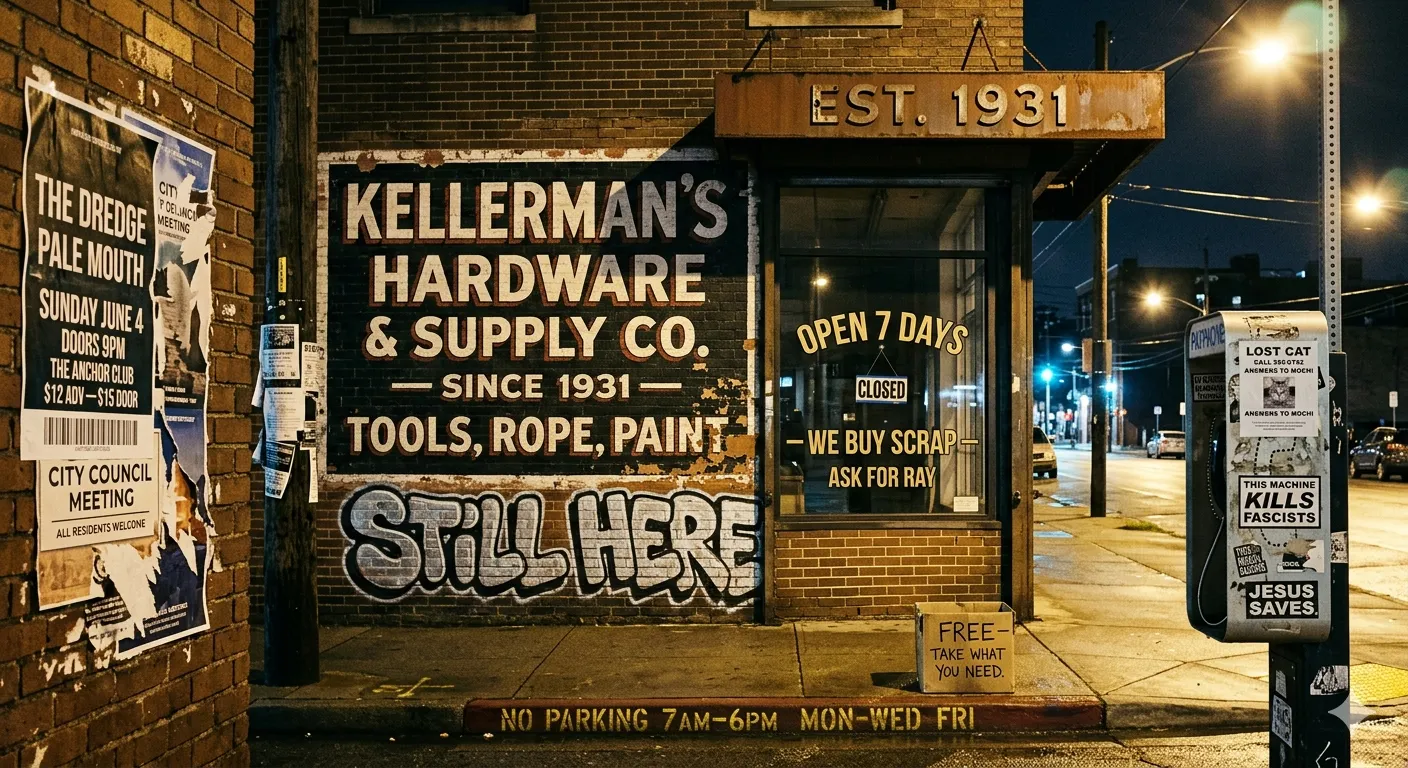
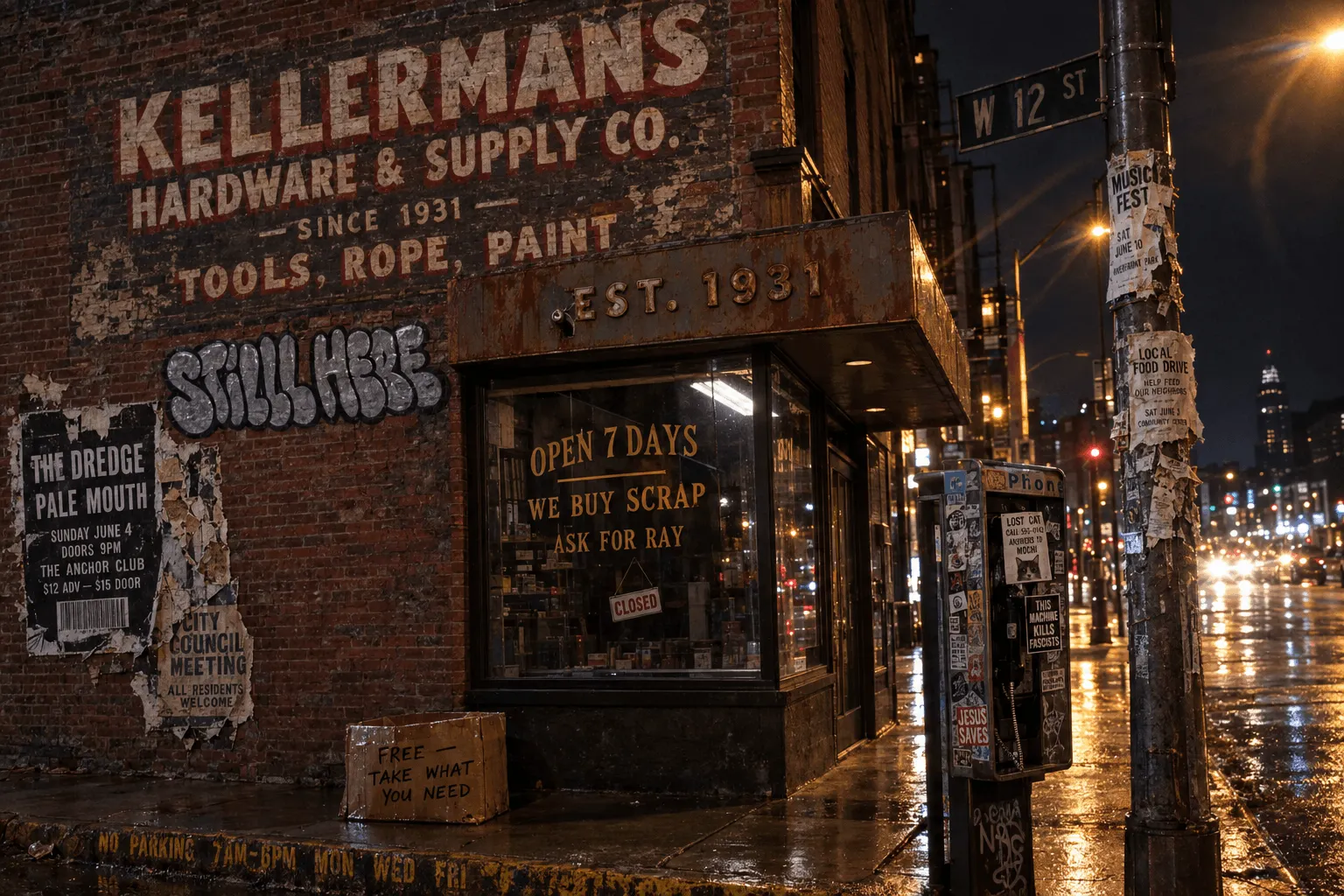
1. Lettering Density: The Kellerman’s Hardware Scene
- The Test: A gritty, 2 a.m. urban intersection where nearly every surface must feature readable text, including ghost signs, spray-painted graffiti, vinyl storefront lettering, a torn concert poster, a stenciled curb, and a sticker-covered payphone.
- Nano Banana 2 Execution: Rendered almost everything cleanly, with only a minor, easily missed duplication error on a payphone sticker.
- ChatGPT Images 2.5 Execution: Added complex, highly realistic details that Google skipped entirely, such as a lamppost covered in overlapping, weathered, stapled flyers. However, it suffered distinct legibility slips: the street-art tag read "STILLL HERE" with an erroneous extra ‘L’, and the apostrophe in "KELLERMAN’S" was unreadable.
- Winner: Nano Banana 2 (due to superior text accuracy).
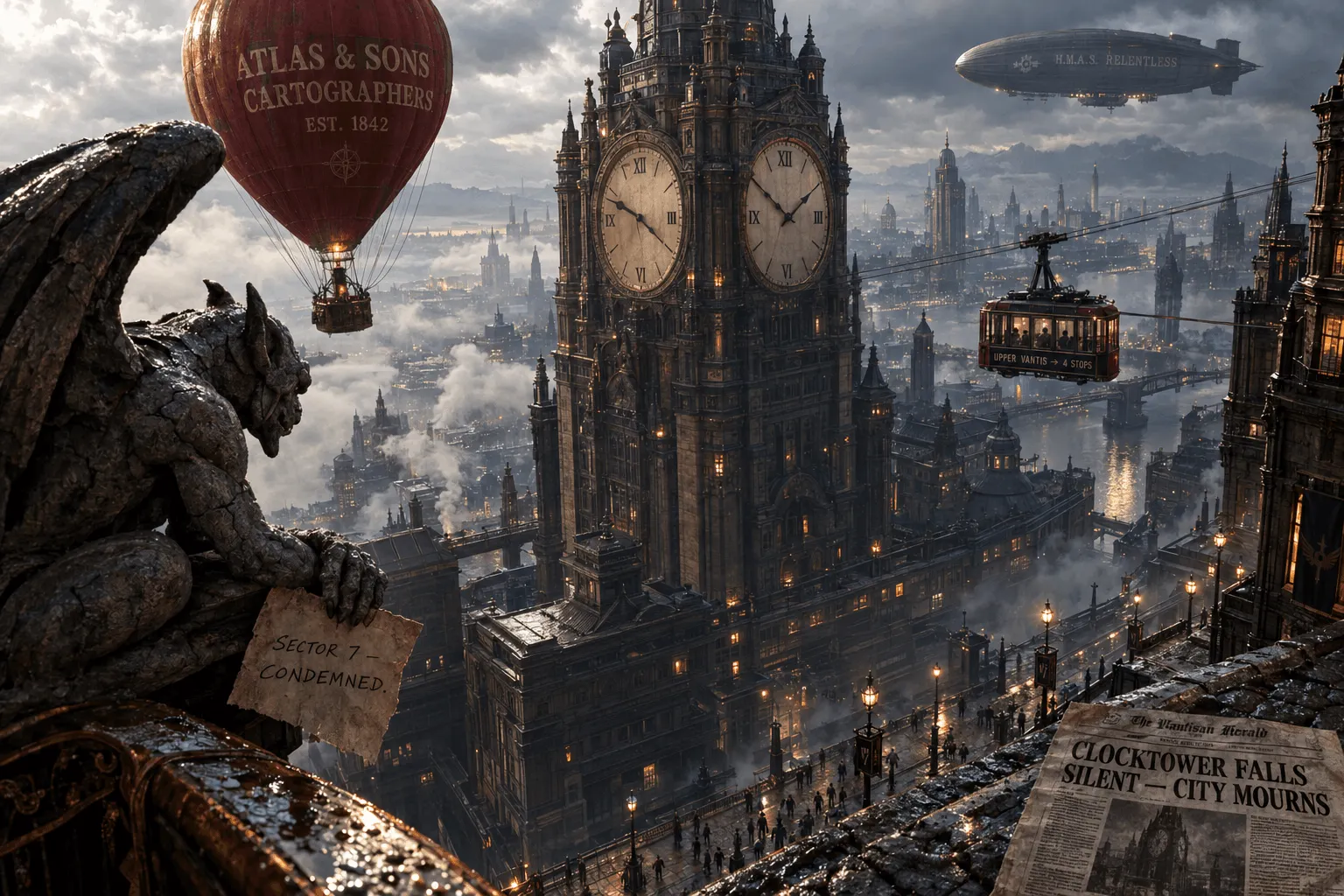
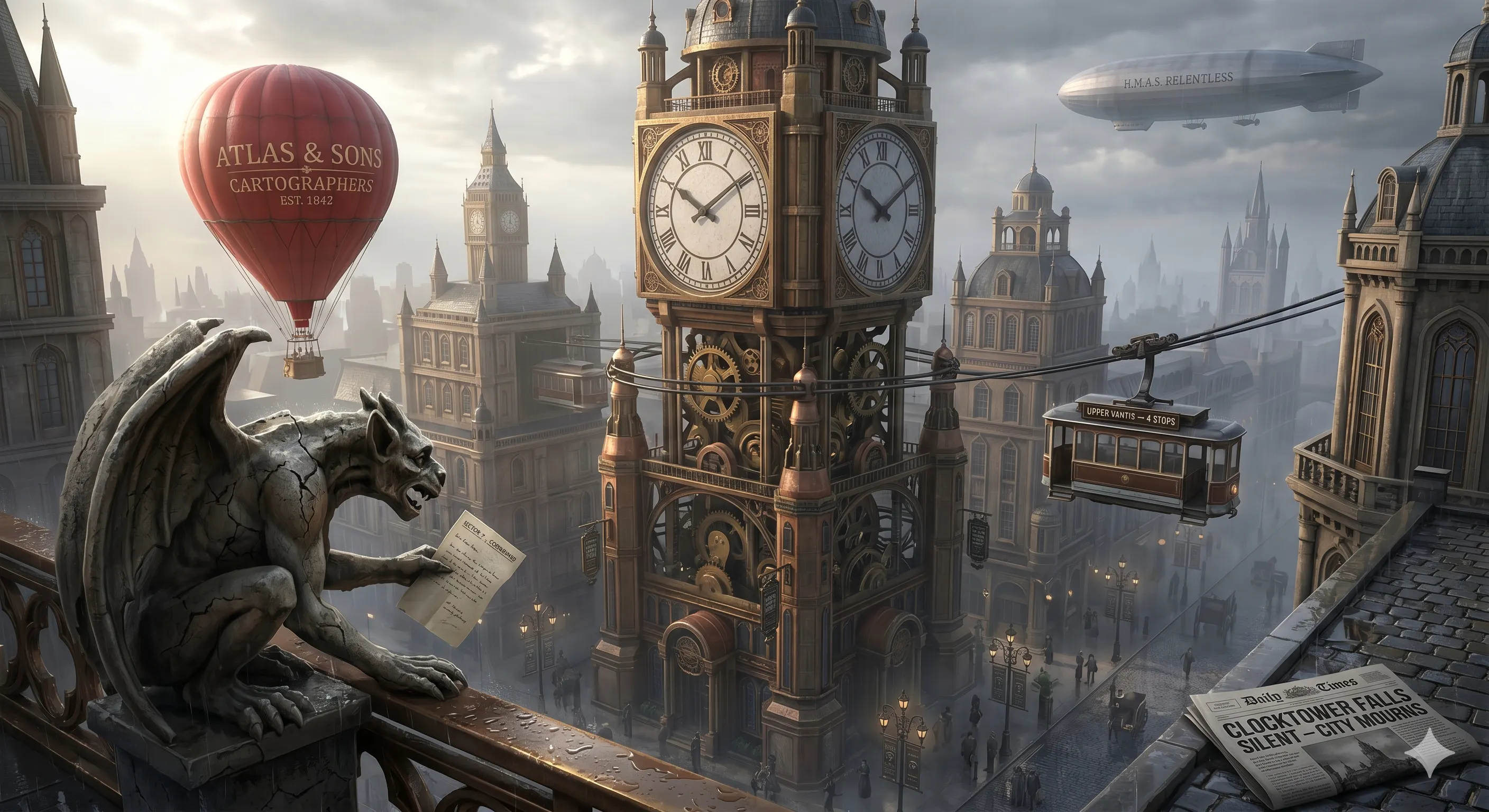
2. Spatial Awareness: The Steampunk Clock Tower
- The Test: A demanding aerial composition featuring a five-plane depth scene, complete with a massive clocktower displaying different times in legible Roman numerals, alongside six other text elements distributed from foreground to background.
- ChatGPT Images 2.5 Execution: Produced a vastly superior, atmospheric image featuring visible steam rising off rooftops, a winding mid-ground river, and a rich tonal range across all five depth planes. Text was clear and legible.
- Nano Banana 2 Execution: Delivered a flatter atmospheric profile. While its clock faces showed legible Roman numerals, it failed to differentiate the times across the clock faces as requested.
- Winner: GPT Images 2.5 (for strictly adhering to spatial and narrative instructions).
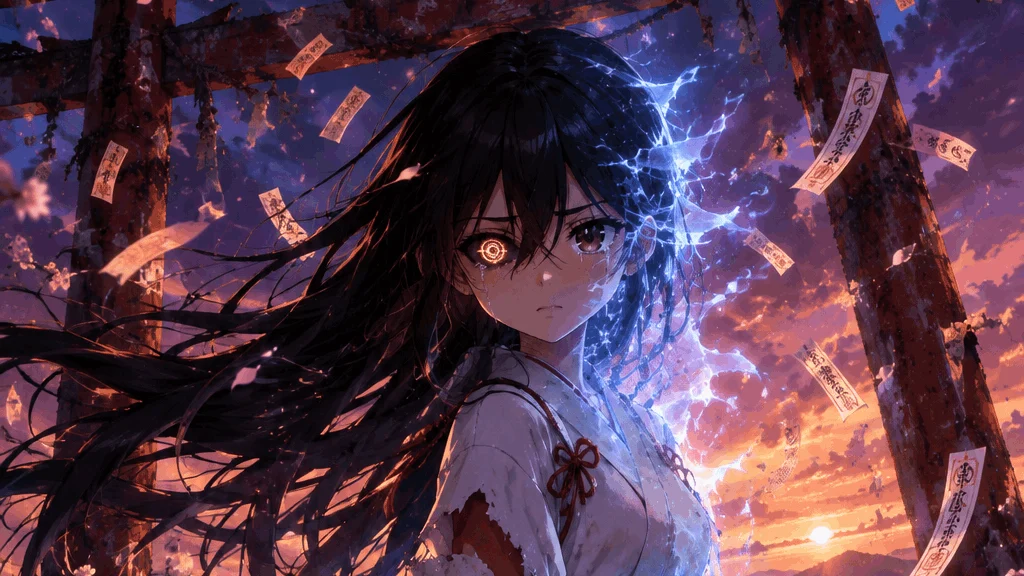
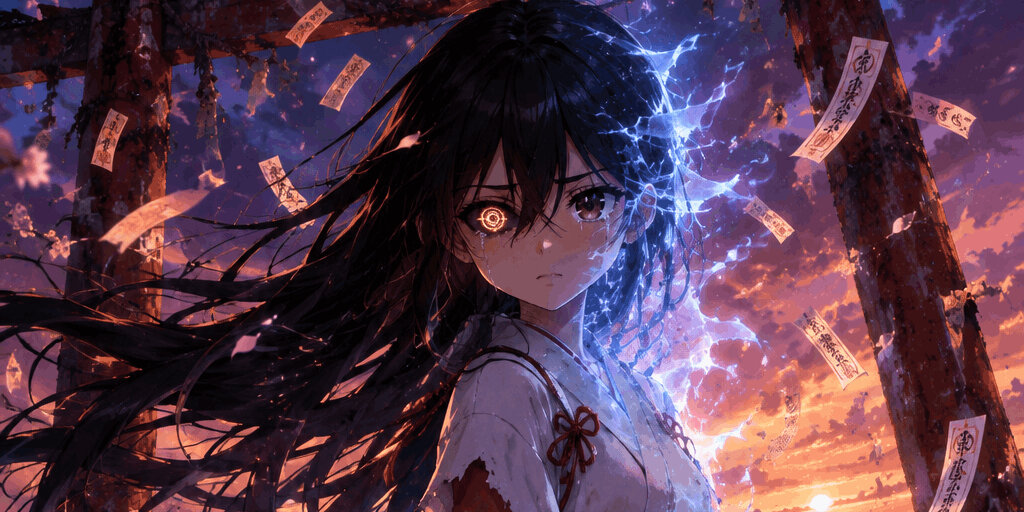
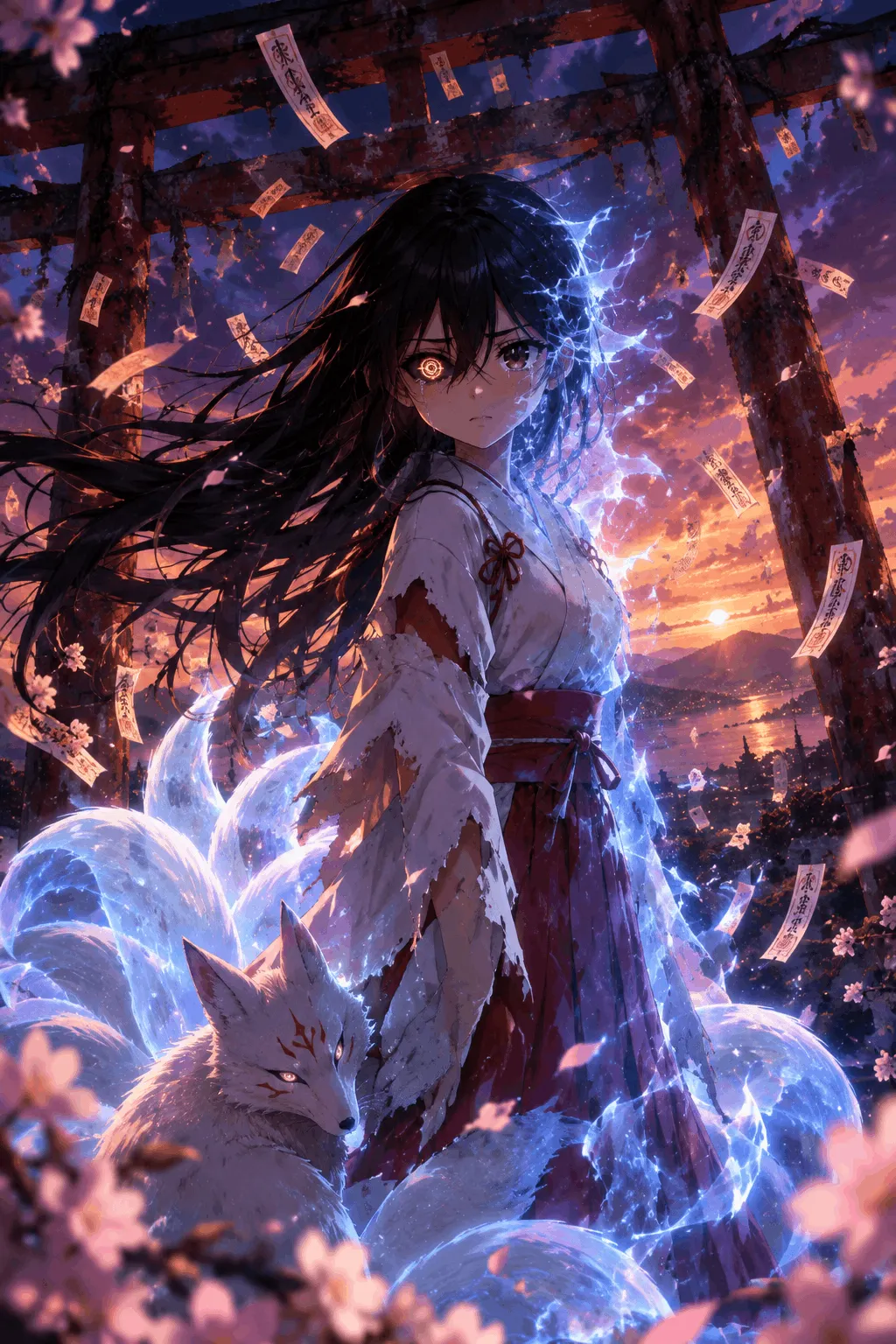
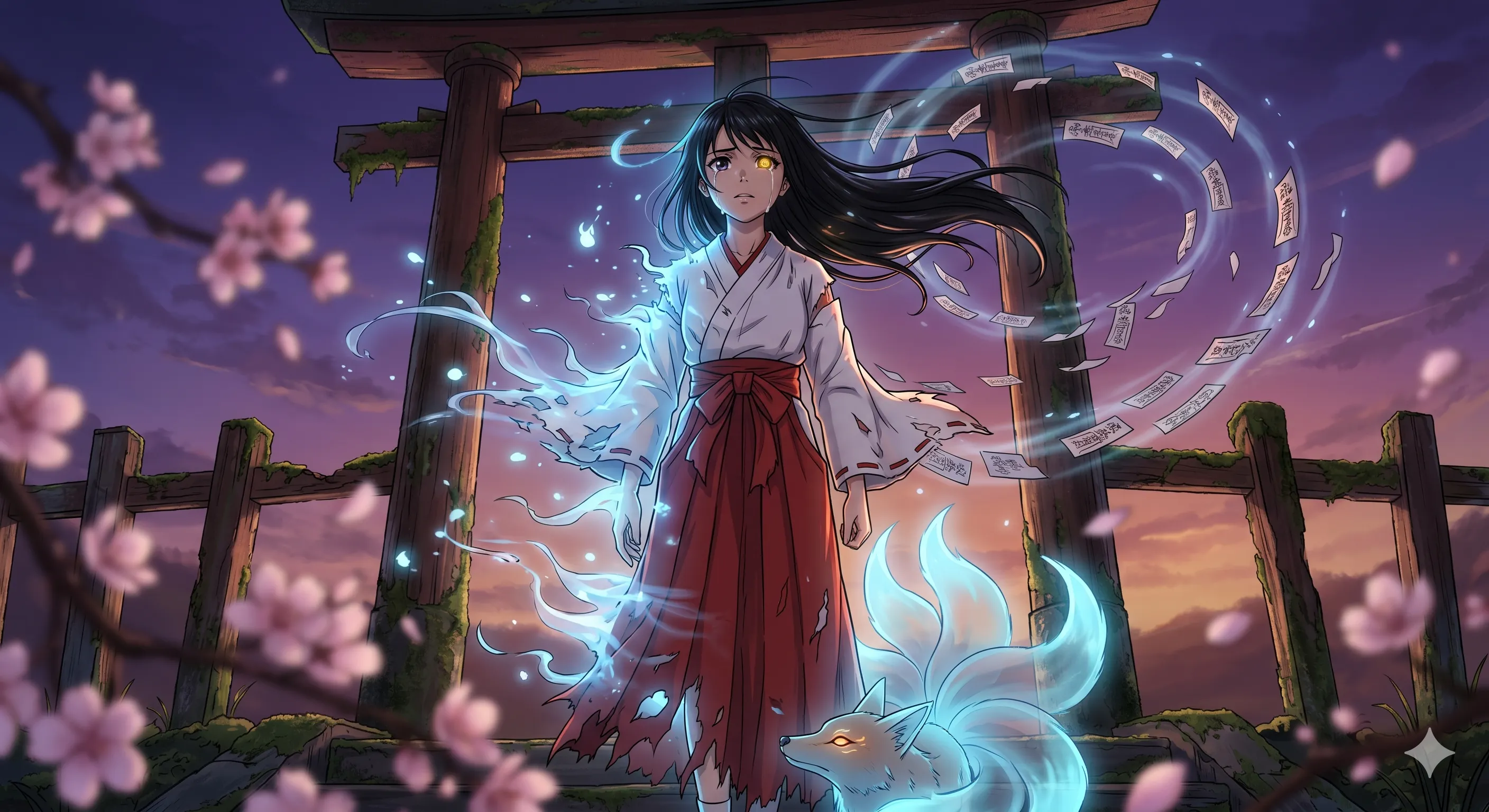
3. Illustration: The Anime Spirit Medium
- The Test: A Studio Ufotable-style key visual of a girl transforming into spiritual energy at a torii gate, accompanied by a nine-tailed kitsune fox under a Makoto Shinkai-inspired twilight sky.
- ChatGPT Images 2.5 Execution: Delivered a breathtaking twilight sky complete with an authentic sun disc, water reflections, and mountain silhouettes that genuinely earned the Shinkai comparison.
- Nano Banana 2 Execution: Provided a closer literal interpretation of the "wispy blue-white energy trail," though both models struggled to render a convincing nine-tailed fox.
- Winner: ChatGPT Images 2.5 (on the sheer strength of its visual impact).
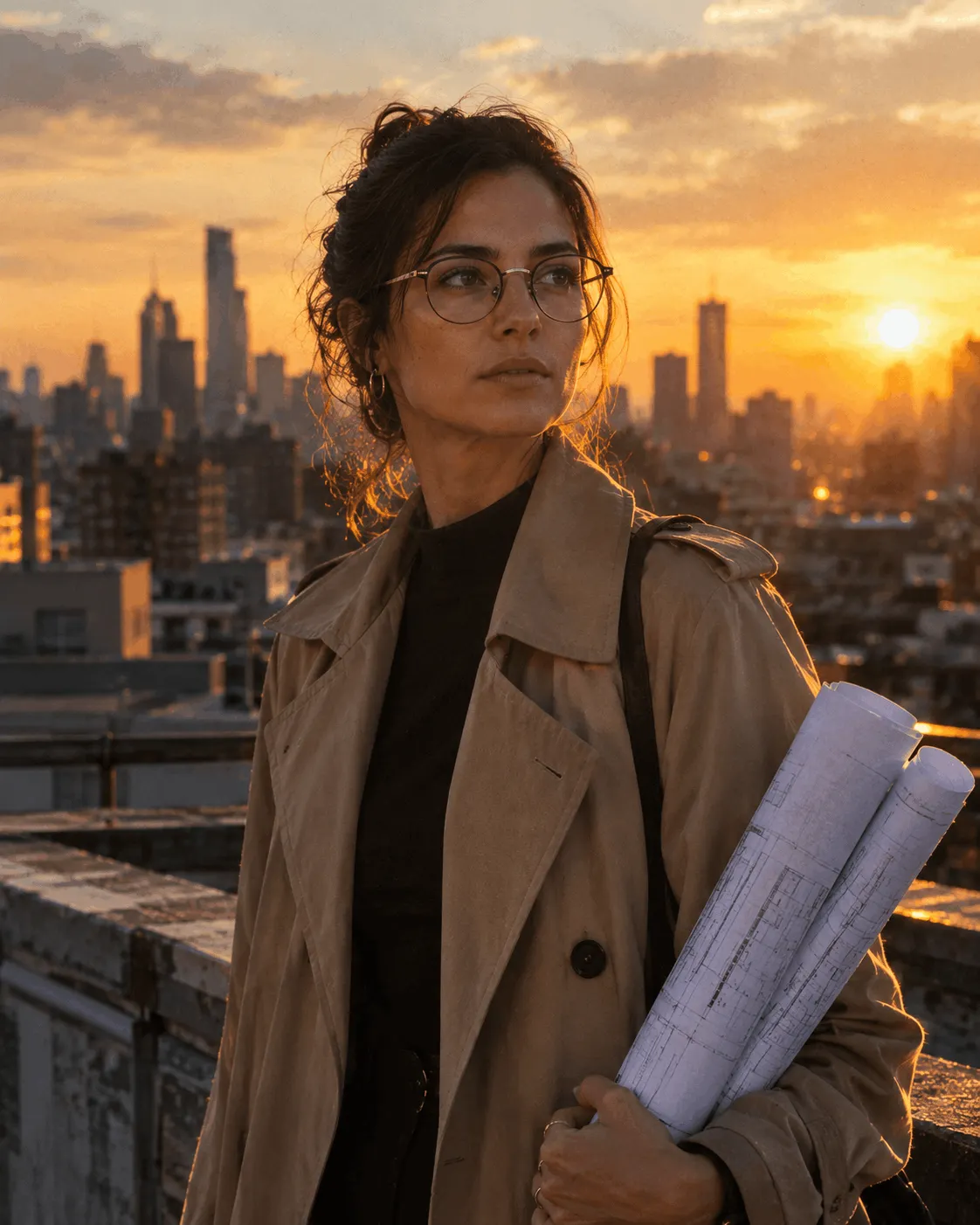
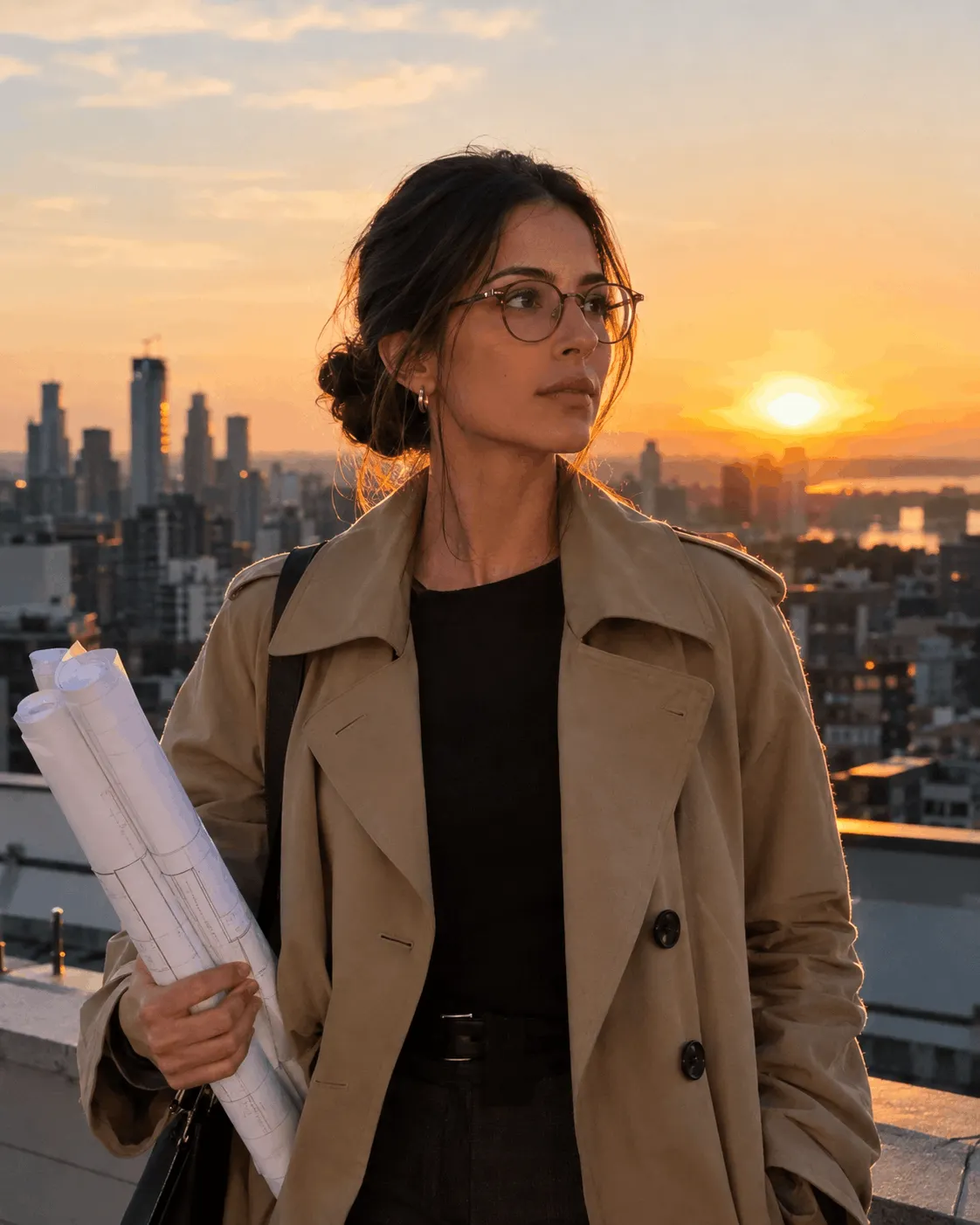
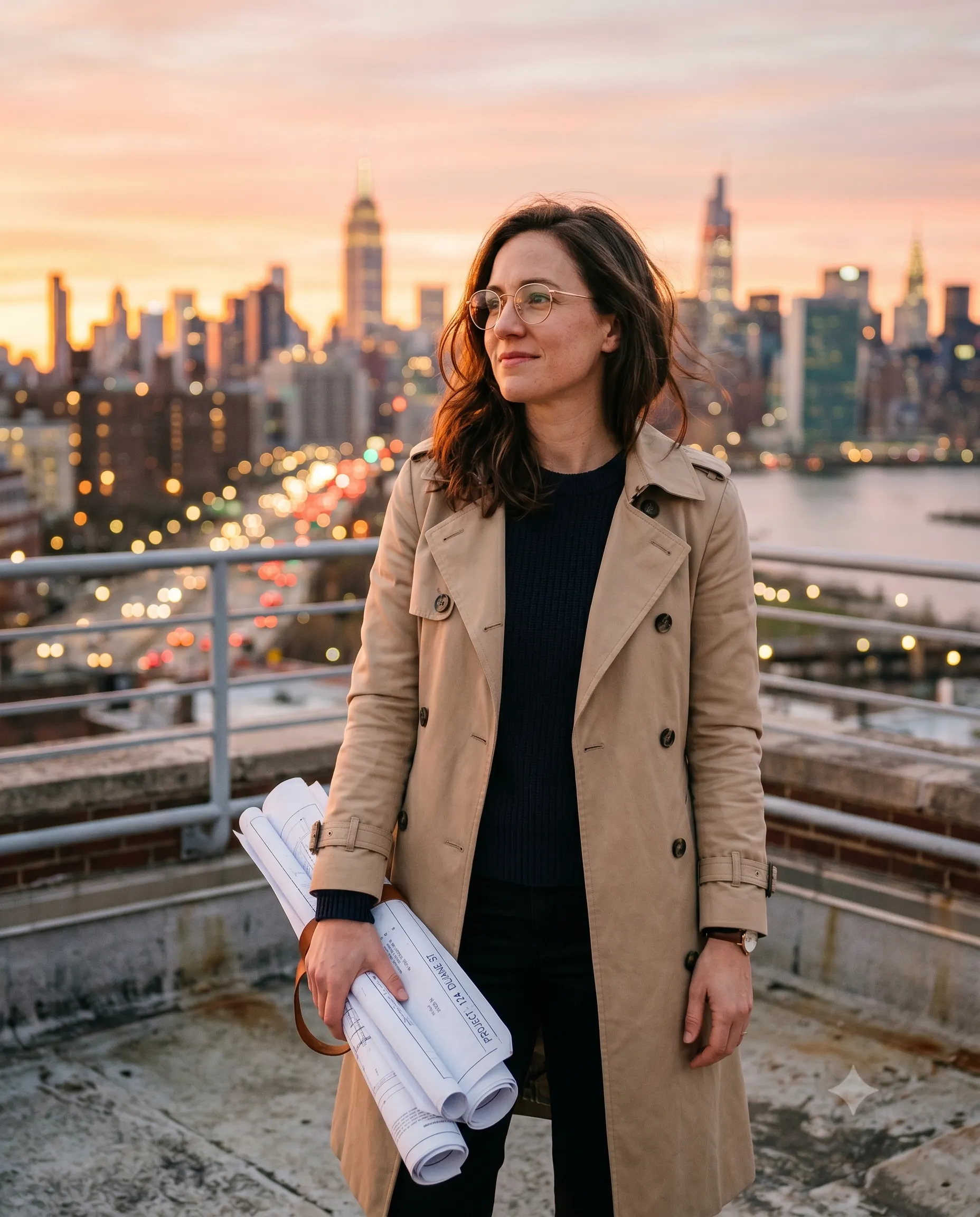
4. Realism: The Rooftop Architect
- The Test: A cinematic portrait demanding a beige trench coat, round glasses, blueprints held specifically in the left hand, golden-hour lighting, shallow depth of field, and film grain.
- ChatGPT Images 2.5 Execution: Rendered stunning lighting with a visible sun disc directly behind the subject and high-end skin micro-texture, though skin was occasionally over-smoothed. Interestingly, adding low-quality parameters (e.g., "uneven flash," "blown-out skin tones," "shot on a phone camera") paradoxically increased raw analog realism.
- Nano Banana 2 Execution: Maintained a balanced composition, placed the blueprints correctly in the right hand, and included an exceptionally crisp, legible blueprint label reading "PROJECT: 124 DUANE ST"—a detail typically omitted by diffusion models.
- Winner: Nano Banana 2 (for single-shot precision, though OpenAI excelled at iterative tweaking).
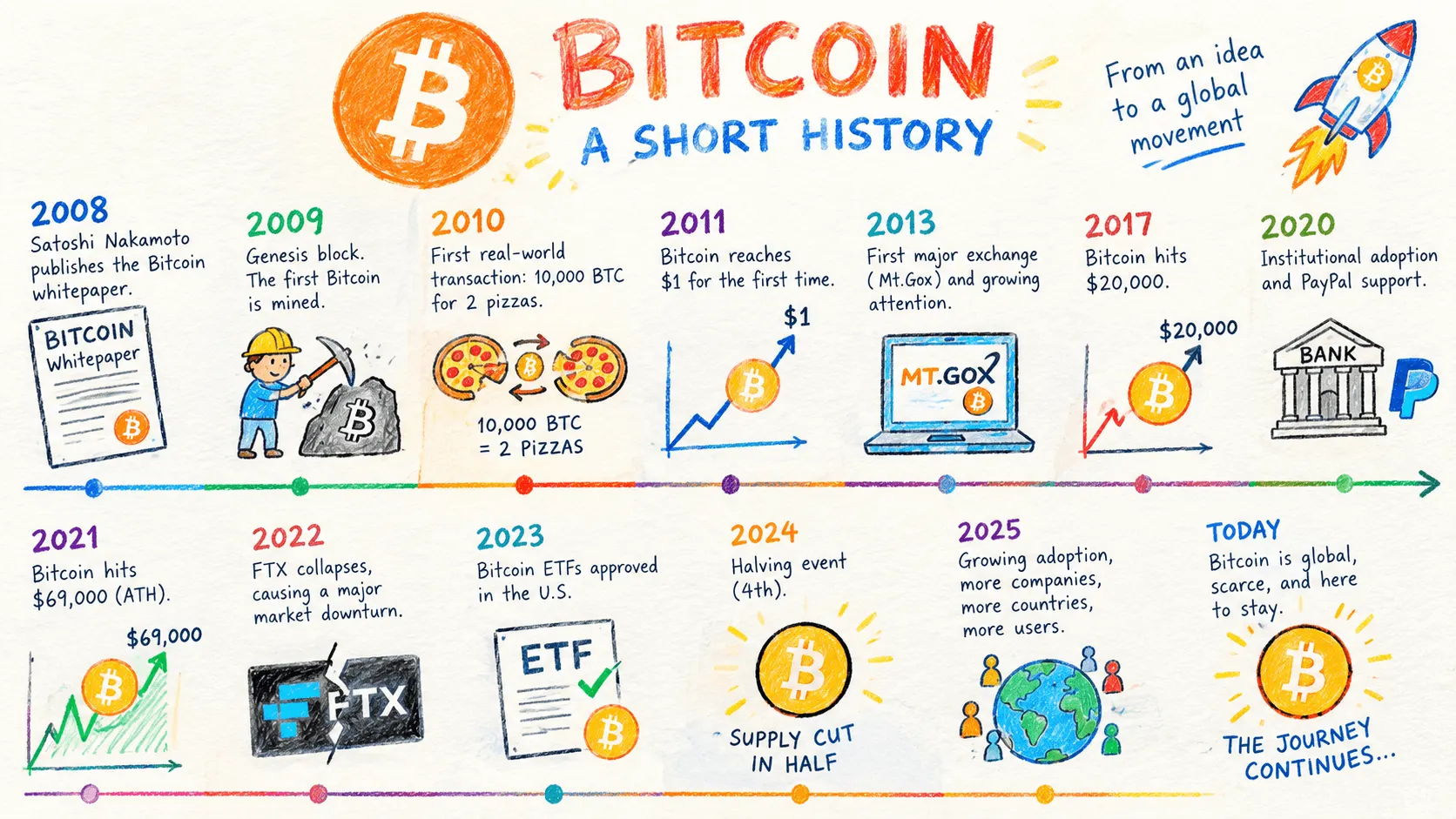
5. Agentic Research: The Bitcoin Timeline
- The Test: A widescreen Bitcoin history timeline rendered in a children’s drawing style, testing factual accuracy and agentic research capabilities.
- ChatGPT Images 2.5 Execution: Built a clean, structured two-row infographic complete with specific historical dates. However, it contained a critical factual error: it labeled 2023 as the year U.S. spot Bitcoin ETFs were approved (the SEC actually approved them on January 10, 2024).
- Nano Banana 2 Execution: Adopted a less structured layout but safely bracketed the ETF approval and the fourth halving into a "2023–2024" range, avoiding a definitively false assertion.
- Winner: Nano Banana 2 (factual accuracy is paramount for agentic tasks).
6. Abstract Concepts: The Nonsense Prompt
- The Test: A surreal prompt built entirely of invented, meaningless words: "A woman eating shmfiyxl in Lyxin. Next to her, her Lymglsushing plays Lakishkark."
- ChatGPT Images 2.5 Execution: Solved the abstraction by turning the nonsense words into literal environmental text. "Lyxin" glowed on a futuristic neon sign, and "Lakishkark" appeared on a board game box.
- Nano Banana 2 Execution: Interpreted the abstract terms through cultural substitution, generating a Guatemalan market stall with a woman in a traditional huipil and an orc-like creature playing a hybrid string-and-pipe instrument. However, it omitted the invented words as visible text entirely.
- Winner: ChatGPT Images 2.5 (converting non-words into legible textual elements provides a more literal, programmatic response).
Official Responses and Industry Context
Executives at both OpenAI and Google have remained publicly focused on balancing speed with prompt adherence. While OpenAI’s engineering team celebrated the elimination of the historical "crunchy" oversharpening artifacts in Images 2.5, independent benchmark testers noted that minor spelling and factual hallucinations—such as the Bitcoin ETF date error—remain persistent hurdles for generative models operating under agentic parameters.
Google representatives have similarly championed Nano Banana 2 (Gemini 3.1 Flash Image) for its reliable text rendering and contextual grounding, positioning it as an ideal tool for enterprise and creative workflows where structural integrity matters above all else.
Implications
The results of this latest generation showdown carry profound implications for the generative AI market:
- Parity is the New Normal: The era of one company holding an undisputed monopoly on image generation quality is over. OpenAI and Google are currently operating within the exact same tier of performance, meaning consumer choice will likely be driven by ecosystem integration, API pricing, and workflow utility rather than raw visual superiority.
- The Text-Rendering Battleground: Both models prove that text integration inside images is no longer an insurmountable barrier, though both still suffer from occasional spelling mishaps. The ability to render legible signage, labels, and abstract words transforms these models from artistic novelties into viable tools for graphic designers and advertisers.
- The Danger of Agentic Hallucinations: As generative models increasingly rely on web research and agentic reasoning to construct infographics and historical timelines, factual accuracy becomes a critical vulnerability. An aesthetically pleasing image loses its enterprise value if it propagates historically incorrect data, placing pressure on developers to tighten constraints around retrieval-augmented generation (RAG).
Ultimately, whether a user prefers ChatGPT Images 2.5 or Google’s Nano Banana 2 comes down to specific workflow needs: OpenAI excels in atmospheric depth, artistic punch, and responsive prompt-following, while Google maintains a narrow edge in baseline text layout and factual hedging.
