

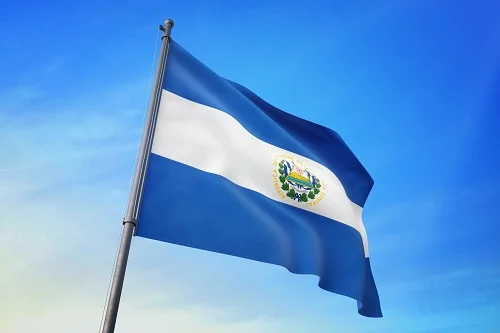
In a landmark development for the global cryptocurrency sector, Binance—the world’s largest digital asset exchange by trading volume—has officially secured two critical regulatory licenses in El Salvador. This achievement marks a significant milestone in the company’s ongoing quest for global regulatory compliance, positioning it as the first fully licensed cryptocurrency service provider within the Central American nation.
The announcement, which was confirmed by the exchange on Tuesday, follows a rigorous due diligence process conducted by Salvadoran authorities. For a country that famously made history in 2021 by becoming the first sovereign state to adopt Bitcoin as legal tender, the entry of a major player like Binance represents a maturation of its digital asset ecosystem.
The Regulatory Framework: Breaking Down the Licenses
Binance has been granted two distinct authorizations, each issued by a separate regulatory body within El Salvador, reflecting the country’s structured approach to digital asset oversight.
The Bitcoin Services Provider (BSP) License
Issued by the Central Reserve Bank (Banco Central de Reserva), the BSP license allows Binance to facilitate transactions and services specifically related to Bitcoin. Given El Salvador’s unique legislative framework—which mandates that businesses accept Bitcoin if they have the technical capacity to do so—this license is essential for any exchange looking to operate within the local economy’s legal framework.
The Digital Assets Services Provider (DASP) License
The second authorization, granted by the National Commission of Digital Assets (Comisión Nacional de Activos Digitales), is arguably the more significant of the two. The DASP license permits Binance to offer a broader suite of digital asset services. Notably, this makes Binance the first non-provisional crypto services provider in the country, granting it a level of operational legitimacy that few international competitors have achieved in the region.
A Chronology of El Salvador’s Crypto Evolution
To understand the weight of this announcement, one must look at the timeline of El Salvador’s bold foray into the digital economy.
- September 2021: El Salvador implements the "Bitcoin Law," officially recognizing BTC as legal tender alongside the U.S. dollar. The government launches the Chivo Wallet to facilitate public adoption.
- 2022: The Salvadoran government continues to experiment with "Volcano Bonds" and the concept of "Bitcoin City," signaling a long-term commitment to crypto-infrastructure despite global market volatility.
- January 2023: The Legislative Assembly of El Salvador passes the Digital Assets Issuance Law, establishing a comprehensive legal framework for the regulation of digital assets beyond Bitcoin. This law paved the way for the creation of the National Commission of Digital Assets.
- August 2023: After months of regulatory review, Binance receives its DASP and BSP licenses, cementing its status as the first fully compliant international exchange in the country.
Strategic Implications: Why El Salvador Matters
For Binance, the expansion into El Salvador is not merely about market access; it is a strategic maneuver to demonstrate a commitment to regulatory cooperation. The exchange has faced intense scrutiny from regulators worldwide, including a high-profile lawsuit from the U.S. Securities and Exchange Commission (SEC) in June 2023.
By securing these licenses, Binance is attempting to shift the narrative from one of regulatory friction to one of collaboration. Min Lin, Binance’s Head of Latin America, emphasized this sentiment in a public statement: “We are honored to be granted this license, as Binance continues to work collaboratively with regulatory agencies around the world to support global standards for the crypto and blockchain industry.”
Expanding the Footprint
The move is also a vital component of Binance’s broader Latin American strategy. Daniel Acosta, Binance’s General Manager for Colombia, Central America, and the Caribbean, noted that these licenses provide the legal foundation to tailor products specifically to the needs of the Salvadoran population.
Beyond simply offering trading pairs, the focus is on:
- Financial Inclusion: Leveraging crypto rails to provide banking-like services to the unbanked population in El Salvador.
- Infrastructure Innovation: Working with local authorities to build out the technological backbone for digital payments.
- Customer Protection: Operating under a clear regulatory umbrella, which provides a layer of security for users that unlicensed or gray-market exchanges cannot offer.
The Global Regulatory Landscape: Binance’s Tightrope Walk
While the news from El Salvador is a win for the exchange, it occurs against a backdrop of global complexity. Binance has recently exited several markets, including Canada and the Netherlands, citing an inability to meet local regulatory requirements or a strategic decision to focus on markets where they can achieve full compliance.
Conversely, the exchange has been aggressive in its expansion efforts in jurisdictions that offer clear legal frameworks. Beyond El Salvador, Binance has achieved registration or licensing status in countries such as France, Italy, Spain, Sweden, and Dubai. This "hub-and-spoke" model allows the exchange to maintain a presence in key financial centers while adapting to the specific legal idiosyncrasies of each region.
The SEC Factor
The ongoing legal battle with the SEC serves as a reminder of the challenges inherent in being the world’s largest crypto entity. The SEC has alleged that Binance operated as an unregistered securities exchange, broker, and clearing agency. Binance has consistently refuted these claims, asserting that the majority of its assets are not securities. The Salvadoran licenses serve as a counter-weight in the court of public opinion, allowing Binance to point to its successful licensing in other sovereign nations as evidence of its willingness to operate within the bounds of the law.
Official Responses and Industry Outlook
The crypto industry has reacted positively to the news, viewing it as a validation of El Salvador’s regulatory experiment. Market analysts suggest that by providing a clear pathway for major exchanges to enter, El Salvador is positioning itself as a regional hub for crypto-innovation in Latin America.
“These licenses allow Binance to expand the products and services offered including options tailored to the needs of our customers in El Salvador,” Acosta stated. “It is also a great opportunity to collaborate closely with government authorities to support the adoption of crypto assets in the country, foster financial inclusion, innovation and ensure customer protection.”
From the government’s perspective, the entry of a company with the scale of Binance brings the potential for increased tax revenue, technical expertise, and a more robust digital economy. However, critics remain concerned about the volatility of Bitcoin and the risks associated with the integration of a decentralized asset into a national monetary system.
Looking Ahead: The Future of Crypto in Central America
As Binance begins its operations as a fully licensed entity in El Salvador, all eyes will be on how the exchange interacts with the local banking sector and the government-issued Chivo Wallet.
The success of this partnership could serve as a blueprint for other nations considering the adoption of digital assets. If Binance can prove that it can operate transparently, safely, and efficiently within the Salvadoran regulatory framework, it will likely pave the way for other major exchanges to seek similar approvals.
For now, the development is a testament to the fact that despite the regulatory winter that has chilled the industry for the past 18 months, the drive toward the institutionalization of cryptocurrency remains strong. Binance, by securing its position in El Salvador, has ensured that it will remain at the forefront of this transformation, navigating the intersection of traditional finance and the decentralized future.
Summary of Key Takeaways:
- Historical First: Binance is the first exchange to receive full regulatory approval in El Salvador.
- Dual-License Power: The acquisition of both DASP and BSP licenses provides a comprehensive mandate for operations.
- Global Pivot: This move reinforces Binance’s pivot toward regulatory compliance amid global pressure from entities like the SEC.
- Economic Vision: The partnership aims to boost financial inclusion and foster a sustainable crypto-infrastructure in a nation that has already made Bitcoin legal tender.
As the crypto industry continues to evolve, the case of Binance in El Salvador will undoubtedly be cited as a pivotal chapter in the history of digital asset regulation. Whether it leads to a broader adoption of crypto-friendly policies across Latin America remains to be seen, but the groundwork has been laid for a new era of regulated, digital-first finance in the region.
