Dogecoin, the world’s most famous meme currency, is taking a monumental leap beyond its traditional boundaries as a peer-to-peer digital ledger. On Wednesday, September 30, 2026, DogeOS officially opened the public testnet for its groundbreaking Dogecoin application layer. Developed by the team behind the popular MyDoge wallet, DogeOS represents a pivotal shift in the cryptocurrency’s architecture—transforming Dogecoin from a passive, speculative digital asset into a fully functional, smart-contract-enabled ecosystem.
The launch of the DogeOS testnet introduces advanced Ethereum-style capabilities to the Dogecoin network without altering the foundational Layer 1 blockchain itself. By utilizing a zero-knowledge virtual machine (zkVM) and operating as an Application Layer rollup network, DogeOS brings decentralized finance (DeFi), lending protocols, perpetual exchanges, prediction markets, and casual gaming to the broader Dogecoin community.
Transaction fees on the testnet are naturally paid in DOGE, and developers have already begun deploying a variety of decentralized applications (dApps). As the cryptocurrency market watches closely, this ambitious scaling solution could redefine the utility and future trajectory of a multi-billion-network that began merely as a joke over a decade ago.
Chronology of the Dogecoin Evolution
2013: The Genesis of a Meme
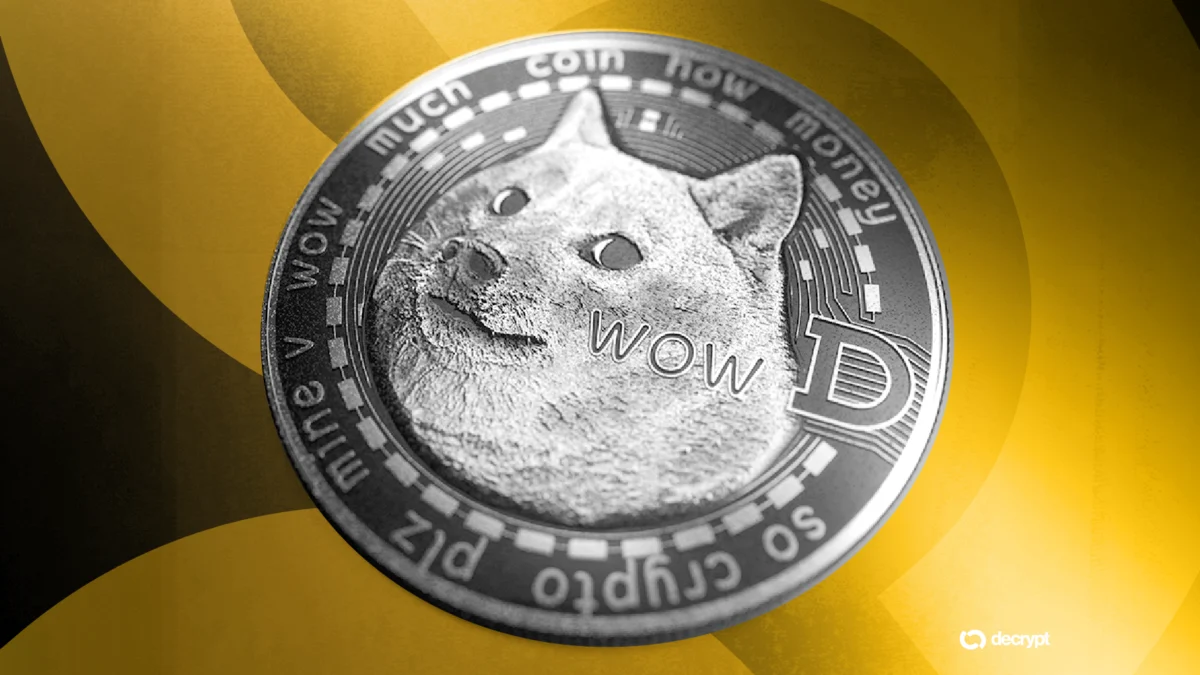
Dogecoin was originally created in December 2013 by software engineers Jackson Palmer and Billy Markus. Conceived primarily as a lighthearted satirical response to the explosion of alternative cryptocurrencies following Bitcoin’s success, the asset featured the likeness of a Shiba Inu dog from the popular "Doge" internet meme. Despite its humorous origins, Dogecoin quickly cultivated a passionate, highly engaged online community known for charitable fundraising, tipping content creators, and grassroots viral campaigns.
The Rise to Prominence
Over the subsequent years, Dogecoin transcended its comedic roots. Propelled by viral social media attention, high-profile endorsements from tech billionaires, and broader retail adoption, it evolved into a multi-billion-dollar global network. It transitioned from a simple online novelty into a serious investment vehicle for institutional participants and high-net-worth individuals alike, cementing its status as a cultural and financial phenomenon.
July 2025: Laying the Groundwork for Zero-Knowledge Proofs
The push to scale Dogecoin and enhance its utility accelerated significantly in mid-2025. In July of that year, the DogeOS development team submitted a formal technical proposal to integrate zero-knowledge proofs directly onto the Dogecoin base layer. Because Dogecoin lacks formal on-chain governance mechanisms, implementing changes to the core protocol requires meticulous contributor review, exhaustive community debate, stringent security audits, and widespread consensus among miners. Recognizing that altering the base layer is an inherently slow and cautious process, developers pivoted toward a Layer 2 rollup architecture to accelerate innovation while preserving the integrity of the underlying chain.
Late 2025: Expanding Utility and Gaming Integration
Throughout late 2025, the DogeOS ecosystem began laying the groundwork for application-layer expansion. Notably, mini-game publisher PlaysOut announced plans to introduce approximately 15 Doge-themed casual games to the network, signaling an early push toward consumer-facing utility and interactive entertainment built around the Dogecoin brand.
September 30, 2026: The Public Testnet Launch
The culmination of these developmental milestones arrived on Wednesday, September 30, 2026, with the official opening of the DogeOS public testnet. Developers and enthusiasts were given their first hands-on opportunity to interact with the new application layer, experiment with testnet protocols, and utilize the network’s faucet to claim 42.069 test DOGE per day. While no official date has yet been announced for a mainnet launch involving real capital, the opening of the testnet marks a historic turning point for the network.
Supporting Data and Technical Architecture
To understand the significance of DogeOS, one must examine its underlying engineering. The network is structured to operate as an Application Layer rollup network on top of Dogecoin, leveraging a zkVM (zero-knowledge virtual machine).
How DogeOS Works
In simple terms, Dogecoin continues to serve as the immutable base ledger (Layer 1), ensuring maximum security and decentralization. DogeOS acts as the execution layer built on top of it. The zkVM generates cryptographic proofs—metaphorically described as "math receipts"—which mathematically verify the validity of transactions executed on the rollup before settling them back to the main chain.
Furthermore, DogeOS is fully EVM-compatible (Ethereum Virtual Machine compatible). This means that self-executing smart contracts, developer tools, and wallet infrastructures originally built for Ethereum can seamlessly migrate to or integrate with DogeOS. Developers do not need to learn a proprietary programming language to build applications for the Dogecoin ecosystem; they can leverage existing Ethereum-based tooling.
Testnet Economics and Faucet Mechanics
Gas & Transaction Fees: All transaction fees on the DogeOS testnet are paid using DOGE, reinforcing the utility of the native coin within the new ecosystem.
Testnet Faucet: Developers and testers can access a dedicated faucet to acquire test assets, which distributes precisely 42.069 test DOGE per user daily.
Early Ecosystem Projects
The initial public testnet launch features a diverse roster of protocols and decentralized applications already building on DogeOS:
Superposition Finance: A decentralized lending protocol allowing users to borrow assets against deposited cryptocurrency collateral.
Derps: A perpetual exchange designed for leveraged trading and speculating on price movements with no fixed expiration date.
USDoge: A collateralized debt position (CDP) stablecoin designed to maintain a steady peg by being minted against locked digital collateral.
Snag: A prediction market aggregator that serves as a centralized hub for users to wager on real-world events and outcomes.
PlaysOut: A casual game publisher introducing a suite of Doge-themed mini-games to gamify user engagement.
Official Responses and Industry Perspectives
The debut of the DogeOS testnet has drawn significant commentary from key figures within the blockchain development community, highlighting the delicate balance between expanding network utility and preserving the sanctity of legacy base layers.
Jordan Jefferson, founder and CEO of DogeOS, framed the launch as a monumental paradigm shift for the community:
"Today marks the beginning of Dogecoin’s evolution from asset to ecosystem."
Jefferson’s sentiment underscores the ambition to move Dogecoin past its historical limitations as a mere speculative trading instrument, providing it with the robust infrastructure required for modern decentralized finance.
Meanwhile, Timothy Stebbing, director of the Dogecoin Foundation, emphasized the importance of architectural separation and base layer security in a public statement:
"L1 ledger purity must stay intact while we introduce utility one layer above, and that is what DogeOS represents to me."
Stebbing’s remarks reflect a widespread industry consensus that foundational blockchains like Dogecoin and Bitcoin benefit immensely from maintaining a secure, minimalist base layer while delegating complex smart contract execution and application logic to scalable Layer 2 or rollup networks.
Implications and Market Context
The rollout of DogeOS arrives at a critical juncture for Dogecoin from a market perspective. Despite its massive historical popularity and cultural footprint, Dogecoin has faced sustained downward pressure in recent years. Market data indicates that the asset has fallen approximately 75% from its all-time high, making it one of the few major, high-cap cryptocurrencies currently mired in a confirmed, prolonged bearish trend.
This downward price action has persisted even in the face of institutional tailwinds, such as the launch of multiple Dogecoin exchange-traded funds (ETFs) designed to give traditional retail and institutional investors exposure through conventional brokerage accounts. Financial analysts point out that while passive investment vehicles increase accessibility, they do not inherently solve the problem of organic, on-chain utility.
For years, critics have argued that Dogecoin’s lack of native smart contract functionality, high inflation schedule relative to early-generation assets, and absence of an active DeFi ecosystem limit its long-term viability as a technology platform. DogeOS directly addresses these structural criticisms.
By introducing lending, borrowing, stablecoins, prediction markets, and gaming, DogeOS attempts to foster an internal economy where holders can utilize their DOGE without needing to convert it into fiat or other cryptocurrencies. If successful, this surge in on-chain activity could revitalize community engagement, increase transactional velocity, and drive sustainable demand for the native coin.
However, challenges remain. Transitioning a community historically driven by memes and viral social media moments into active participants in complex decentralized financial protocols requires significant education and user onboarding. Furthermore, the transition from a successful public testnet to a secure, battle-tested mainnet will require rigorous auditing and fault tolerance.
As the DogeOS testnet continues its public trial phase, developers, traders, and investors alike will be watching closely to see whether Dogecoin can successfully bridge the gap between its humorous legacy and a technologically sophisticated future.