

Introduction: A Paradigm Shift in Home Construction
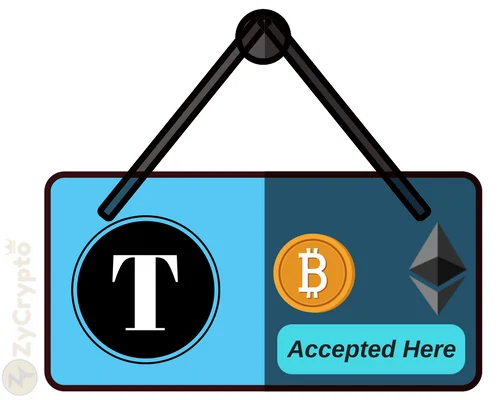
In an era defined by rapid digital transformation, the traditional construction and renovation industry—often perceived as conservative and resistant to change—is beginning to witness a tectonic shift. Trademark Renovations Ltd., an award-winning, Calgary-based luxury home contractor, has officially announced its decision to integrate Bitcoin (BTC) and Ethereum (ETH) as viable payment methods for its renovation and custom-build projects.
This move, set to take effect on March 1, 2018, positions the company at the vanguard of a burgeoning movement. By bridging the gap between high-end home construction and decentralized finance, Trademark Renovations is not merely adopting a new payment gateway; it is signaling a belief that blockchain technology is destined to become a foundational element of the global economy.
Main Facts: The Integration of Crypto into Physical Assets
Trademark Renovations Ltd. has established itself as a premier name in the Calgary construction market, known for complex basement developments, full-scale home renovations, and bespoke custom builds. By choosing to accept Bitcoin and Ethereum, the company is effectively decentralizing its accounts receivable process.
Key Details of the Implementation:
- Effective Date: March 1, 2018.
- Accepted Currencies: Bitcoin (BTC) and Ethereum (ETH).
- Scope: All residential renovation projects and custom home builds offered by the firm.
- Objective: To modernize payment workflows, cater to tech-savvy homeowners, and mitigate risks associated with traditional fiat currency volatility.
The decision reflects a strategic pivot. While many small businesses remain hesitant due to the perceived volatility of the crypto market, Blair Foisy, the owner of Trademark Renovations, views this adoption as a proactive measure to future-proof the business against the inefficiencies of the legacy banking system.
Chronology: The Road to Digital Adoption
The journey toward this announcement did not occur in a vacuum. It was the result of a deliberate observation of global market trends and a commitment to technological innovation.
- Early 2017: As Bitcoin saw unprecedented media coverage, the management team at Trademark Renovations began evaluating the feasibility of incorporating blockchain-based payments into their project management software.
- Late 2017: A comprehensive review of the regulatory landscape and the technological requirements for secure wallet management was conducted.
- January 2018: The firm finalized its internal policy, deciding to embrace the "crypto fever" rather than observe it from the sidelines.
- February 2018: The official announcement was released, marking the firm as one of the first in the Canadian construction sector to make such a bold, public commitment to digital assets.
- March 1, 2018: The policy goes live, enabling clients to settle invoices using digital wallets.
Supporting Data: Why Construction Needs Blockchain
The construction industry is famously plagued by thin margins, complex logistics, and exposure to foreign exchange fluctuations. Trademark Renovations argues that the adoption of cryptocurrencies serves as a hedge against several of these traditional pain points.
1. Mitigation of Exchange Rate Risk
When sourcing materials from international suppliers, construction firms are often at the mercy of currency fluctuations (e.g., USD to CAD). By utilizing Bitcoin, a global, borderless currency, firms can potentially reduce their reliance on traditional banking corridors, which are prone to delays and high transaction fees.
2. Elimination of Intermediaries
Traditional cross-border or even domestic payments often involve multiple clearing houses, banks, and payment processors, each taking a cut of the transaction in the form of fees. The peer-to-peer (P2P) nature of blockchain technology removes these third parties. For a firm like Trademark, this means more capital can be reinvested into higher-quality materials and skilled labor rather than lost to bank processing fees.
3. Market Differentiation
In a crowded luxury construction market, being the "first" to adopt a technology creates a significant competitive advantage. It attracts a demographic of affluent, tech-forward homeowners who value innovation and efficiency.
Official Responses: Insights from Ownership
The vision behind this move is driven by a firm belief in the long-term utility of decentralized finance. Mr. Blair Foisy, in his official statements, emphasized that this is not a speculative play, but a strategic business evolution.
“I am excited to bring Bitcoin and Ethereum as new payment options to our customers,” Foisy stated during the announcement. “We believe that blockchain technology and cryptocurrencies will become an important part of everyday transactions for consumers, and we are happy to be able to offer this new payment alternative for our services to the Calgary public.”
Addressing the legitimacy of the asset class, Foisy added, “The decision to start accepting Bitcoin and Ethereum is also indicative that they, and other established cryptocurrencies, have now developed into more broadly accepted forms of settlement.”
This sentiment aligns with the growing consensus among tech-forward CEOs who view Bitcoin not just as an investment vehicle, but as a robust settlement layer for modern business.
Implications: The Future of the Trades
The move by Trademark Renovations has wider implications for the Canadian construction industry and the global adoption of digital assets.
The Normalization of Digital Assets
When a local renovation company accepts Bitcoin, it signals to the broader public that cryptocurrency is transitioning from an obscure "internet money" into a legitimate tool for real-world commerce. This helps demystify the technology for the average consumer, encouraging wider adoption.
The "Crypto-First" Construction Model
Trademark Renovations is aligning itself with global giants like IBM and Kodak, who have also pivoted to leverage blockchain technology. By setting this precedent, the company is effectively challenging other contractors to optimize their payment systems. In the near future, it is entirely possible that smart contracts—self-executing contracts with the terms of the agreement directly written into code—could be used to automate payment releases in construction, further reducing the risk of payment defaults.
Empowering the Client
The flexibility provided by this new payment method allows clients to leverage their own crypto holdings to finance home improvements. For those who have seen their digital asset portfolios grow, paying for a kitchen renovation in Bitcoin is a seamless way to realize gains and reinvest them into tangible real estate assets.
Conclusion: A Vision for a Digitally Integrated Future
Trademark Renovations Ltd. has demonstrated that innovation is not limited to the design of a home, but extends to the very mechanics of how a business operates. By embracing the volatility and the opportunity inherent in the blockchain, the firm is setting a standard for professional services in the 21st century.
As Blair Foisy noted, “I believe that the Blockchain and cryptocurrency revolution will positively affect all people and every industry, including ours.” Whether this trend will lead to a wholesale shift in the construction industry remains to be seen, but for now, the residents of Calgary have a clear choice: a traditional contractor, or a firm that is building the future of home renovation with the tools of tomorrow.
As digital assets continue to weave themselves into the fabric of the global economy, the courage to be an early adopter is what separates industry leaders from those who are left behind. Trademark Renovations has clearly signaled which side of history it intends to be on.
