

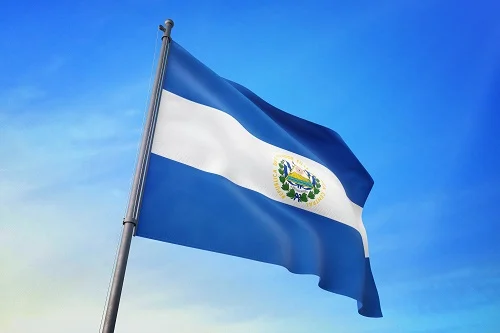
In a significant move that underscores the evolving landscape of global digital asset regulation, Binance, the world’s largest cryptocurrency exchange by trading volume, has officially become the first crypto service provider to be granted full licensure in El Salvador. This development marks a pivotal chapter for the Central American nation, which famously became the first country in the world to adopt Bitcoin as legal tender in September 2021.
By securing both the Bitcoin Services Provider license (BSP) and the Digital Assets Services Provider license (DASP), Binance has solidified its commitment to regulatory integration, positioning itself as a cornerstone of El Salvador’s burgeoning financial infrastructure.
The Regulatory Framework: A Two-Fold Achievement
The acquisition of these licenses is not merely a symbolic gesture; it is the culmination of a rigorous due diligence process conducted by El Salvador’s financial authorities. According to an official announcement released by the exchange on August 8, 2023, Binance received authorization from two distinct regulatory bodies:
- The Central Reserve Bank (Banco Central de Reserva): Provided the Bitcoin Services Provider (BSP) license, which governs operations specifically related to Bitcoin as the nation’s legal tender.
- The National Commission of Digital Assets (Comisión Nacional de Activos Digitales): Issued the Digital Assets Services Provider (DASP) license, which covers a broader spectrum of digital assets and blockchain-based financial services.
With the DASP license in hand, Binance has officially become the first non-provisional crypto services provider in the country. This distinction separates the exchange from other market participants who may currently hold temporary or limited operational permits, signaling a higher tier of institutional trust and compliance.
Chronology of Adoption: From Bitcoin Law to Institutional Maturity
To understand the weight of this milestone, one must look at the timeline of El Salvador’s crypto-forward agenda:
- September 2021: Under the leadership of President Nayib Bukele, the Legislative Assembly of El Salvador passed the "Bitcoin Law," mandating that all businesses accept the cryptocurrency as payment for goods and services. This move placed the country at the center of global economic discourse.
- 2022: The Salvadoran government focused on infrastructure, including the deployment of "Chivo" wallets and Bitcoin ATMs across the nation, while simultaneously weathering significant market volatility that tested the resilience of the state’s Bitcoin-linked treasury strategy.
- Early 2023: The government introduced the "Digital Assets Issuance Law," designed to create a comprehensive legal framework for digital securities and assets beyond Bitcoin. This legislation paved the way for the creation of the National Commission of Digital Assets.
- August 2023: After months of regulatory review and engagement, Binance successfully met the stringent requirements set forth by the new commission, culminating in the dual-license approval.
Strategic Implications: Why El Salvador Matters
For Binance, El Salvador represents more than just a new market; it is a testbed for the integration of traditional finance and decentralized technology.
Expanding the Product Suite
With the legal hurdles cleared, Binance is now positioned to offer a customized suite of products tailored specifically to the Salvadoran demographic. Daniel Acosta, Binance’s General Manager for Colombia, Central America, and the Caribbean, emphasized that the licenses provide the necessary "legal certainty" to roll out sophisticated services. This includes enhanced payment rails, remittance solutions—which are crucial for an economy heavily dependent on money sent from citizens working abroad—and educational initiatives aimed at fostering financial literacy.
A Beacon for Institutional Investment
The presence of a "fully licensed" major exchange provides a sense of security for other international investors. By establishing a compliant footprint in San Salvador, Binance acts as a bridge for institutional capital that may have previously been wary of the nation’s "experimental" regulatory environment.
Global Context: Binance’s Regulatory Balancing Act
The news from El Salvador arrives at a complex time for Binance. While the company has been aggressively pursuing international expansion, it has simultaneously faced an intense regulatory barrage in Western markets.
In June 2023, the U.S. Securities and Exchange Commission (SEC) filed a high-profile lawsuit against Binance and its founder, Changpeng Zhao (CZ), alleging violations of federal securities laws. In the months surrounding that litigation, Binance faced scrutiny from regulators in the Netherlands, Australia, and Canada, leading to a strategic recalibration of their global operations.
However, the El Salvador license serves as a critical counter-narrative. It demonstrates that while the exchange faces friction in the U.S. and Europe, it remains a preferred partner for emerging markets that are eager to define their own digital future. By aligning with the regulators of El Salvador, France, Italy, Spain, and Dubai, Binance is attempting to build a patchwork of compliance that could serve as a template for future global operations.
Official Responses and Future Outlook
The tone from the leadership at Binance has been one of collaboration and long-term commitment.
"We are honored to be granted this license, as Binance continues to work collaboratively with regulatory agencies around the world to support global standards for the crypto and blockchain industry," said Min Lin, Binance Head of Latin America.
From the perspective of the Salvadoran government, this partnership is seen as a victory for financial inclusion. By enabling a secure, regulated platform for citizens to interact with digital assets, the state hopes to drive down the cost of remittances, increase banking access for the unbanked, and stimulate innovation within the local tech sector.
Addressing Customer Protection
One of the core mandates of the National Commission of Digital Assets is the protection of the consumer. Binance has pledged to work closely with government authorities to implement robust KYC (Know Your Customer) and AML (Anti-Money Laundering) protocols. This collaboration is designed to ensure that as the crypto ecosystem in El Salvador grows, it does so within a framework that mitigates fraud and protects individual users.
Conclusion: A New Standard for Crypto Diplomacy
The licensing of Binance in El Salvador marks a mature phase in the development of the crypto industry. It reflects a shift away from the "move fast and break things" era toward a model of "compliance-first" expansion.
While the global regulatory landscape remains fragmented, El Salvador has positioned itself as a clear-eyed leader in the digital asset space. By welcoming a major industry player like Binance with a full, transparent licensing process, the country has set a standard that other nations—particularly those in the Global South—may soon seek to emulate.
For Binance, the road ahead remains challenging. The exchange must continue to navigate the headwinds of global legal scrutiny while proving that its business model can thrive under the strict oversight of sovereign regulators. However, for now, the flag planted in El Salvador stands as a testament to the exchange’s resilience and its ambition to remain the primary infrastructure layer for the global transition toward digital currency adoption.
As we look toward the future, the success of this partnership will likely be measured by the rate of crypto adoption among Salvadoran citizens and the ability of the exchange to deliver on its promise of increased financial inclusion and technological innovation in the region.
