

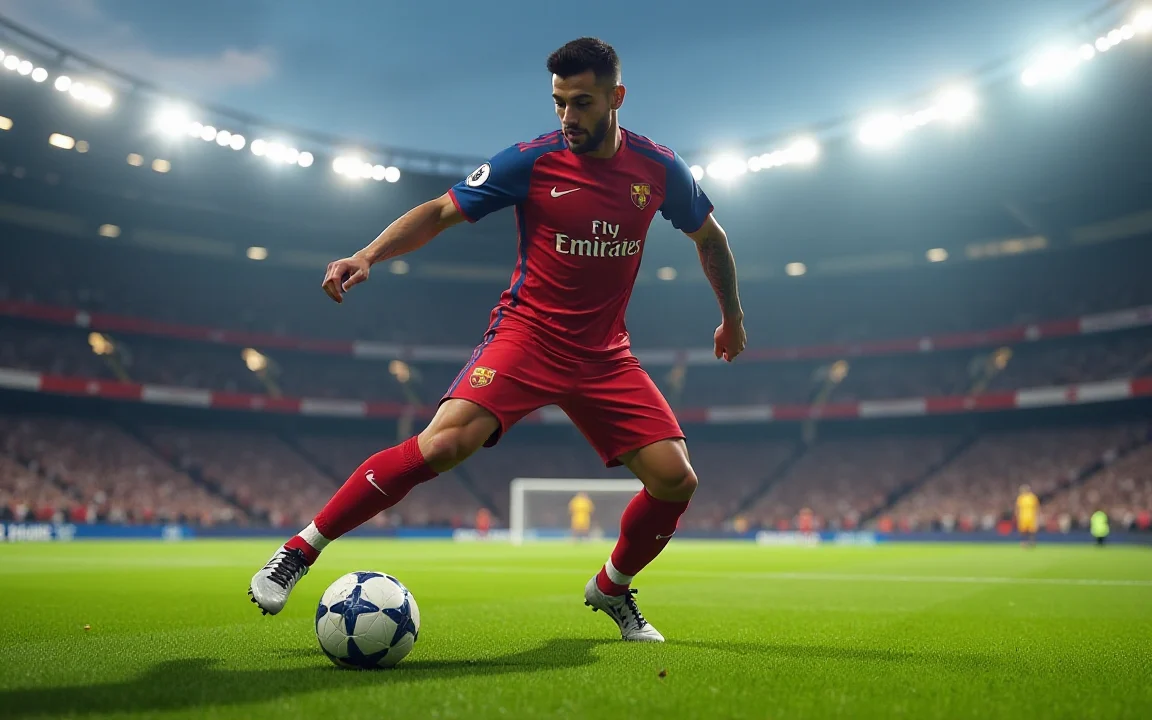
Global football’s governing body is leveling up its digital strategy. By migrating its flagship NFT platform, FIFA Collect, to a bespoke Avalanche Layer-1 blockchain, FIFA is setting a new standard for sports fan engagement, digital collectibles, and blockchain-powered gaming.
1. Main Facts: The Transition to Avalanche
In a landmark move that bridges the world of traditional sports and decentralized technology, the Fédération Internationale de Football Association (FIFA) has announced the development of a dedicated Layer-1 blockchain network. Built in close collaboration with high-performance blockchain platform Avalanche and web3 infrastructure provider Modex, this custom network is designed to house FIFA’s popular digital collectibles ecosystem, FIFA Collect.
Scheduled for migration shortly after May 20, the transition marks a pivotal shift for the governing body. Moving away from general-purpose or shared chains, FIFA is opting for a custom-tailored infrastructure optimized explicitly for high-throughput, asset-rich sporting applications. Avalanche confirmed that FIFA Collect will serve as the inaugural application on the newly minted chain, bringing enhanced scalability, robust security, and an optimized user experience to millions of football fans worldwide.
The move is not merely a technical migration; it represents a comprehensive long-term commitment by FIFA to integrate web3 technology deeply into its digital product roadmap. By securing its own Layer-1 infrastructure, FIFA ensures that its digital economy can scale seamlessly during peak global events, such as upcoming World Cups, without facing the congestion and high gas fees that historically plagued legacy blockchain networks.
2. Chronology: From Qatar 2022 Experiments to a Dedicated L1
To understand the magnitude of FIFA’s latest blockchain initiative, it is essential to trace the timeline of the organization’s evolving relationship with Web3 technology.
- Late 2022 (The Qatar World Cup Genesis): Ahead of and during the FIFA World Cup in Qatar, FIFA dipped its toes into the digital asset space. The organization launched a series of Web3-enabled casual games and digital collectibles. While successful in capturing initial interest, these activations were largely experimental, fragmented across various third-party platforms, and served as a proof-of-concept for fan demand.
- 2023–2024 (The Launch of FIFA Collect): Buoyed by the initial response to its World Cup digital assets, FIFA formally introduced FIFA Collect. Operating on its own dedicated drops page, the platform began issuing regular digital memorabilia spotlighting iconic players, historic moments, and legendary tournament memorabilia. However, the underlying infrastructure relied on broader third-party networks, which occasionally presented bottlenecks in scalability and user onboarding.
- Late 2024–Early 2025 (Strategic Pivot & Modex Partnership): Recognizing the need for a sovereign, high-performance architecture, FIFA entered deep-level talks with Avalanche and Modex. The vision shifted from utilizing rented blockchain space to commissioning a bespoke, enterprise-grade Layer-1 blockchain capable of hosting both collectibles and future gaming integrations.
- May 2025 and Beyond (The Layer-1 Migration): Set for rollout following May 20, the migration represents the formal activation of FIFA’s custom Avalanche-powered chain. This milestone shifts FIFA Collect from a standalone product into the foundational cornerstone of a broader, interconnected digital sports economy.
3. Supporting Data: Modex’s Architectural Role and Technical Integration
The success of any major enterprise blockchain migration hinges on technical execution and infrastructure reliability. Enter Modex, appointed by FIFA as the primary technical partner and infrastructure provider for this ambitious endeavor.
Modex’s Core Responsibilities:
- Architecture Design: Modex is tasked with architecting, deploying, and maintaining the custom Avalanche Layer-1 network. This ensures high throughput, low latency, and enterprise-grade security tailored to handle millions of concurrent users during major football tournaments.
- Marketplace Upgrades: The technical overhaul includes a complete redesign of the FIFA Collect marketplace. The updated interface aims to simplify user onboarding, bridging the gap between mainstream sports fans and crypto-native collectors by abstracting complex blockchain interactions.
- Content Pipeline: Modex will support the technical delivery of regular digital drops. These releases will continue to feature licensed imagery, iconic moments, legendary clubs, and superstar players, delivered via streamlined smart contracts operating natively on the new chain.
The Avalanche Advantage:
Avalanche’s Layer-1 architecture (formerly referred to as subnets) provides developers and enterprises with the ability to launch application-specific blockchains. For FIFA, this means:
- Customizability: The chain can be configured with specific compliance parameters, validator sets, and gas token economics.
- Scalability: Dedicated throughput means that traffic spikes during a World Cup match will not cause network-wide slowdowns.
- Interoperability: Built on Avalanche’s robust consensus mechanism, the chain maintains bridges to the broader multi-chain ecosystem while retaining sovereign control over its internal economy.
4. Official Responses and Industry Context
The partnership has generated significant enthusiasm across both the sports management and blockchain development sectors, drawing official commentary from the key stakeholders involved.
What the Stakeholders Are Saying:
While official press releases from Avalanche and FIFA’s updated migration FAQ emphasize the user-centric design of the network, industry leaders have been quick to point out the broader cultural significance.
"Moving to a dedicated Layer-1 infrastructure allows FIFA to control its digital destiny," notes web3 industry analysts. "When you are dealing with a global brand as massive as football, you cannot afford network downtime or unpredictable transaction costs. Avalanche provides the institutional-grade reliability that FIFA requires."
Furthermore, the integration extends beyond static collectibles. Alongside FIFA Collect, the ecosystem is expanding to include interactive gaming experiences. A prime example is FIFA Rivals, an upcoming mobile football game developed in partnership with Mythical Games. Powered by Mythical’s robust web3 gaming infrastructure and backed by licensing agreements, FIFA Rivals will feature an integrated marketplace where players can trade officially licensed footballer NFTs.
According to reports from crypto media outlets like BeInCrypto, FIFA Rivals is strategically designed to target mobile-first audiences, blending casual sports gaming with true digital asset ownership. This multi-pronged approach demonstrates that FIFA is not treating web3 as a fleeting marketing gimmick, but rather as an enduring pillar of its digital engagement strategy.
5. Implications: What This Means for Football Fans and the Web3 Sports Economy
FIFA’s transition to an Avalanche Layer-1 blockchain carries profound implications for the future of sports fandom, digital ownership, and the broader enterprise adoption of blockchain technology.
1. Mainstream Onboarding for Web3
One of the most persistent hurdles in blockchain adoption has been user experience (UX). Crypto wallets, seed phrases, and gas fees often alienate casual fans. By utilizing a custom Layer-1 managed via streamlined infrastructure like Modex, FIFA has the unique opportunity to abstract away the underlying technology. Fans may soon interact with digital collectibles and gaming assets using traditional login methods (Web2 social logins) while benefiting from true blockchain-backed ownership under the hood.
2. A Blueprint for Global Sports Brands
FIFA is the undisputed heavyweight of international sports. Its successful migration to a dedicated blockchain network will undoubtedly serve as a case study for other major sporting bodies—such as the NBA, NFL, UEFA, and the International Olympic Committee (IOC). If FIFA can successfully prove that a dedicated Layer-1 chain enhances fan engagement and creates sustainable digital revenue streams, expect a rapid wave of institutional sports migrations to follow.
3. Expanding the Digital Economy: Beyond NFTs into Gaming and Utility
The launch of the Avalanche Layer-1 is explicitly designed to be modular. While FIFA Collect is the inaugural application, the infrastructure is built to support:
- Tokenized Fan Experiences: Loyalty programs, virtual stadium seating, governance voting, and exclusive access to real-world events.
- Interoperable Gaming Assets: Items earned or purchased in games like FIFA Rivals could theoretically integrate with the broader FIFA digital ecosystem, creating a unified economy where digital assets hold cross-platform utility.
Conclusion
As the May 20 migration date approaches, all eyes are on FIFA, Avalanche, and Modex. What began as experimental digital drops during the 2022 Qatar World Cup has evolved into a sophisticated, sovereign blockchain strategy. For millions of football fans around the globe, the beautiful game is entering a new digital era—one where history, fandom, and ownership are permanently etched onto a decentralized ledger.
