

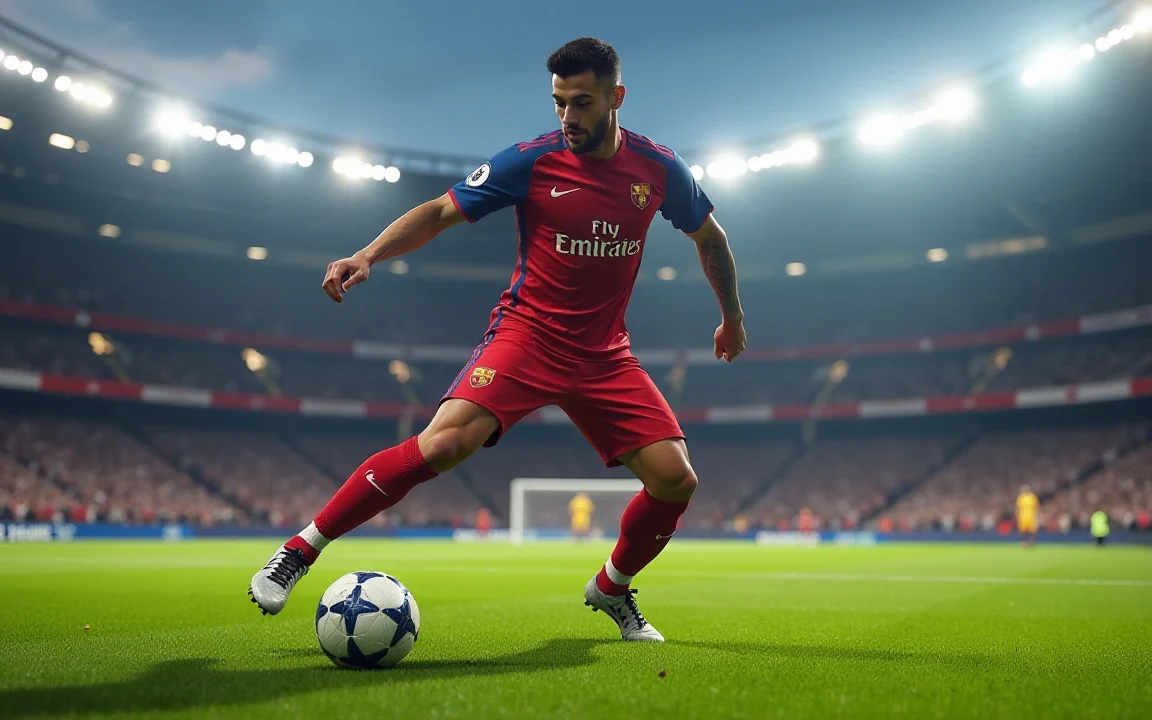
Global football governing body FIFA is making its most definitive leap into the digital asset ecosystem to date. In a strategic collaboration with Layer-1 blockchain platform Avalanche and tech partner Modex, FIFA is constructing a bespoke, dedicated blockchain network designed to house its popular digital collectibles platform, FIFA Collect.
Scheduled to officially migrate and launch following May 20, the custom infrastructure marks a pivotal turning point for sports-themed Web3 engagement. By moving away from generalized environments to a purpose-built Layer-1 chain, FIFA aims to drastically enhance scalability, tighten network security, and deliver an elevated, frictionless user experience for millions of football fans worldwide.
1. Main Facts: The Avalanche and Modex Partnership
The core of this monumental shift lies in the technical architecture being engineered to support FIFA’s burgeoning digital community. Rather than relying on public multi-purpose networks that often suffer from congestion and unpredictable gas fees, FIFA is establishing a sovereign Layer-1 blockchain tailored explicitly to the needs of the sports and entertainment industry.
Key elements of the initiative include:
- The Avalanche Integration: Avalanche was selected for its high throughput, robust security architecture, and capacity to support complex, asset-rich enterprise applications. The platform confirmed that FIFA Collect will serve as the flagship, inaugural application operating directly on the new chain.
- Modex as Technical Lead: Technology provider Modex has been appointed to oversee the infrastructure deployment and marketplace upgrade. Modex is tasked with designing the core architecture of the Layer-1 chain, ensuring a seamless transition of existing digital assets, and supporting FIFA’s long-term digital roadmap.
- The FIFA Collect Upgrade: Originally introduced during previous tournaments, FIFA Collect will undergo a comprehensive system upgrade. The platform will continue its tradition of regular digital drops celebrating iconic players, legendary clubs, and historic moments in global football, moving beyond the legacy distribution channels into a dedicated, high-performance environment.
- Multidimensional Utility: Beyond standard non-fungible tokens (NFTs), the new Layer-1 infrastructure has been architected to support future integrations, including Web3 gaming economies, interactive fan rewards, and tokenized utility features designed to create a "football-first" digital economy.
2. Chronology: From Qatar 2022 Experiments to a Dedicated Chain
To understand the magnitude of FIFA’s transition to an Avalanche-powered Layer-1, it is essential to trace the governing body’s measured, step-by-step evolution within the Web3 space.
Phase 1: The Initial Exploration (Late 2022)
FIFA’s first concerted foray into the blockchain landscape occurred during the run-up to and execution of the FIFA World Cup Qatar 2022. Recognizing the surging appetite for digital memorabilia, FIFA launched a series of Web3-enabled games and trial blockchain activations. While these initiatives proved that consumer demand existed for digital football assets, they were largely experimental, fragmented across various platforms, and lacked a unified, centralized ecosystem under FIFA’s direct control.
Phase 2: The Genesis of FIFA Collect (2023–2024)
Following the World Cup, FIFA formalized its digital collectibles strategy by launching FIFA Collect. Initially hosted via standard web interfaces and drops pages, the platform allowed fans to acquire, collect, and trade moments from football history. However, as the user base scaled, limitations related to network latency, transaction throughput, and user experience became apparent, prompting leadership to seek a more robust, scalable infrastructure.
Phase 3: Strategic Infrastructure Planning and the Modex Agreement (2024–Early 2025)
Recognizing that third-party shared networks could not fulfill the long-term vision of a seamless global sports ecosystem, FIFA engaged Modex to architect a bespoke technical solution. Evaluations of various enterprise-grade blockchain ecosystems ultimately led to the selection of Avalanche, renowned for its customizable subnet and Layer-1 architecture capable of supporting high-volume consumer traffic without compromising decentralization or speed.
Phase 4: The Upcoming Migration (Post-May 20, 2025)
The culmination of years of planning arrives with the scheduled post-May 20 migration. This transition transitions FIFA Collect and its associated assets onto the dedicated Avalanche Layer-1. It lays the groundwork for the concurrent rollout of external gaming partnerships—such as FIFA Rivals—solidifying a unified digital network for football enthusiasts.
3. Supporting Data and Technological Context
The decision to build on Avalanche is underpinned by specific technological demands unique to mass-market sports consumer applications. Modern digital fanbases expect the speed and responsiveness of traditional Web2 applications (such as Instagram or mobile gaming apps) combined with the verifiable ownership guarantees of Web3.
- High-Throughput Requirements: Global football boasts a fanbase numbering in the billions. Even capturing a fraction of this demographic requires a blockchain capable of processing thousands of transactions per second (TPS) without bottlenecking or experiencing dramatic spikes in transaction costs. Avalanche’s consensus mechanism provides the necessary throughput for high-volume minting and secondary market trading.
- Interoperability and Future-Proofing: Avalanche’s Layer-1 architecture allows FIFA to maintain sovereign control over its network parameters, compliance requirements, and validation rules while remaining interoperable with the broader Avalanche ecosystem and potentially other major networks.
- Ecosystem Synergy: The launch of the FIFA Layer-1 does not exist in a vacuum. It complements external initiatives like FIFA Rivals, a mobile football game developed in partnership with Mythical Games. Featuring an integrated marketplace for trading licensed footballer NFTs, FIFA Rivals targets mobile-first gamers, creating a bridge between active gameplay and digital asset ownership. According to industry reports from platforms like BeInCrypto, this multi-pronged approach demonstrates FIFA’s intention to embed its brand across diverse digital touchpoints.
4. Official Responses and Industry Perspectives
The partnership has generated significant enthusiasm across both the sports management and blockchain technology sectors, highlighting a maturing relationship between legacy sports organizations and decentralized technology providers.
Representatives from Avalanche highlighted that welcoming an organization of FIFA’s global stature validates the network’s enterprise-grade capabilities. By offering a dedicated Layer-1, Avalanche provides the governing body with the structural autonomy required to govern its own digital economy securely.
Modex leadership emphasized the technical achievement of the migration, noting that the partnership is designed to remove the friction points that have historically hindered mainstream adoption of blockchain products. By streamlining the user journey—ensuring that fans can interact with digital collectibles without needing deep technical knowledge of cryptocurrency wallets or complex gas mechanisms—Modex aims to set a new benchmark for sports-tech integration.
Meanwhile, industry analysts point out that FIFA’s move reflects a broader macroeconomic shift within global sports administration. Major leagues, clubs, and governing bodies—from the NFL and NBA to European football giants—are increasingly viewing Web3 not as a speculative fad, but as a critical infrastructure layer for fan monetization, global community building, and intellectual property protection in the digital age.
5. Implications for the Future of Sports and Web3
The launch of FIFA’s dedicated Layer-1 blockchain on Avalanche carries profound implications for the sports industry at large, signaling a transition from tentative experimentation to permanent structural integration.
Redefining Fan Engagement
Traditional sports fan engagement has historically been limited to passive viewing, stadium attendance, and merchandise purchasing. By establishing a permanent, tokenized digital ecosystem, FIFA is transforming fans into active participants. Through FIFA Collect and associated gaming titles like FIFA Rivals, supporters can curate digital trophy rooms, trade rare assets, and unlock real-world experiential rewards tied to global tournaments.
Institutional Validation for Blockchain Technology
When an institution as globally pervasive as FIFA commits to building its own sovereign blockchain infrastructure, it sends a powerful signal to other multinational corporations and sports federations. It demonstrates that blockchain technology has matured sufficiently to handle enterprise-scale intellectual property, regulatory scrutiny, and consumer-grade user loads.
Navigating Regulatory and User Experience Challenges
Despite the optimistic outlook, the success of FIFA’s new network will ultimately depend on navigating persistent industry hurdles. Mass adoption requires abstracting away blockchain complexities so that everyday football fans—many of whom may have no prior experience with Web3—can participate as easily as they would on any mainstream e-commerce site. Furthermore, compliance with evolving international regulatory frameworks regarding digital assets and consumer protection will remain a critical priority for Modex and FIFA as the ecosystem scales.
As the May 20 migration date approaches, the eyes of both the sports and crypto worlds will be fixed on the new Avalanche-powered chain. If successful, FIFA’s bespoke Layer-1 could serve as the definitive blueprint for how global sports entertainment will operate in the decades to come—seamlessly blending the passion of the world’s game with the limitless possibilities of decentralized digital ownership.
