

By Financial Wire Desk
Published October 2026
Main Facts: The Debut of Stripe’s OpenUSD
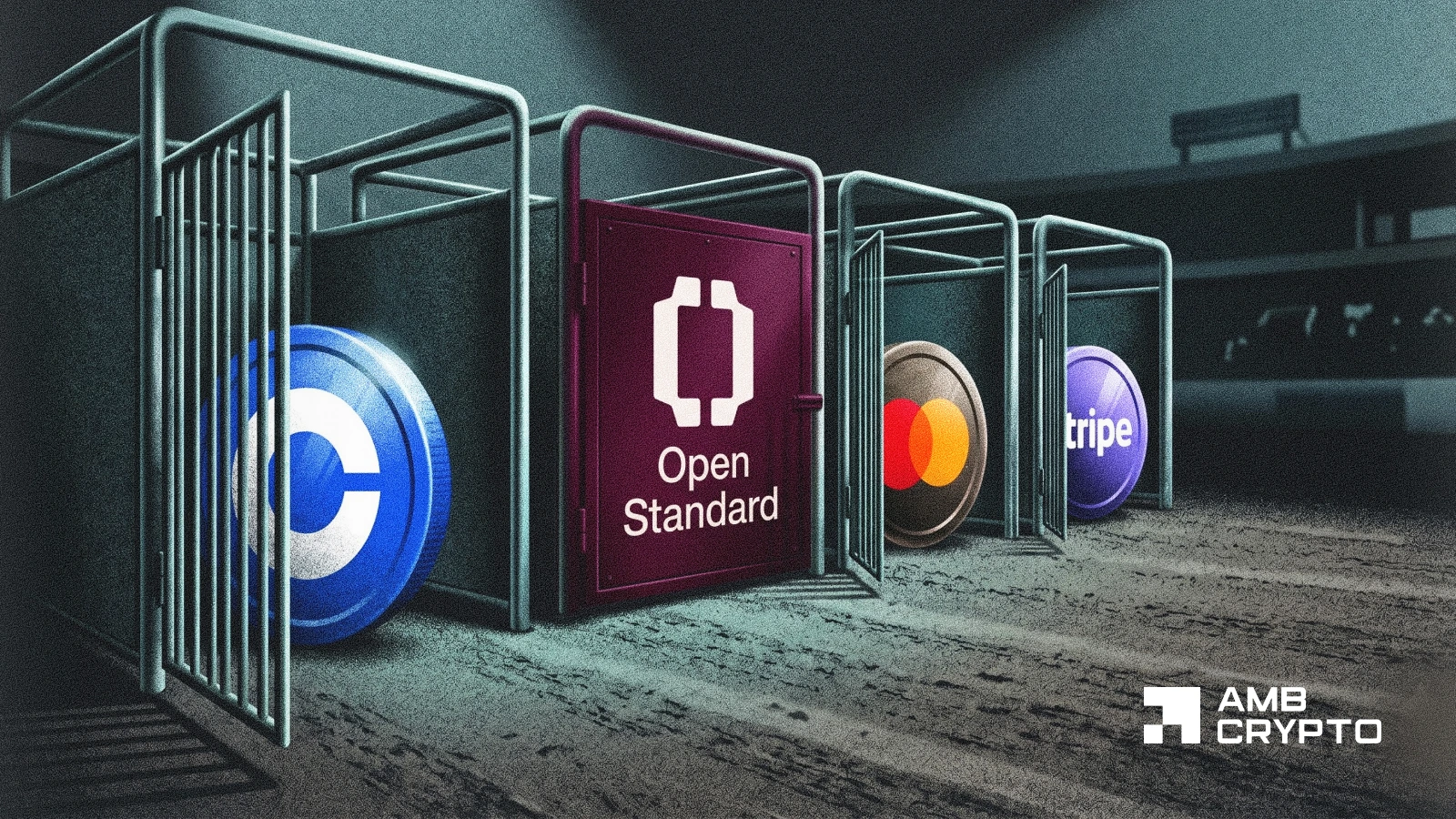
The global digital asset and payments landscape experienced a tectonic shift on September 30, as Stripe-issued OpenUSD (OUSD) officially went live across multiple public blockchains. Designed to be fully backed 1:1 by the U.S. dollar, OUSD’s deployment represents an aggressive challenge to the long-standing stablecoin duopoly held by Tether’s USDT and Circle’s USDC.
Right out of the gate, OUSD launched with heavy multi-chain support, rolling out simultaneously on Ethereum, Solana, Base, and Tempo—a proprietary blockchain network incubated by Stripe itself. Unlike traditional stablecoin models where issuers retain the vast majority of treasury-generated yields, Stripe has structured OUSD to share yields directly with its extensive ecosystem of partners.
According to Stripe CEO Patrick Collison, this revenue-sharing mechanism is central to the token’s value proposition:
"Importantly, most yield is shared directly with partners rather than being internalized by the stablecoin issuer. Stripe is adopting OUSD in a number of core product flows."
With initial backing from over 140 strategic partners secured during its preliminary announcement in June, OUSD boasts integration support from some of the biggest names in global finance and technology, including Coinbase, Mastercard, Visa, and Stripe itself. This formidable alliance immediately thrusts OUSD into the upper echelons of digital currency infrastructure, setting the stage for a high-stakes battle over market share in both traditional web2 commerce and web3 native applications.
Chronology of Events: From Concept to Multi-Chain Reality
To understand the weight of OUSD’s market entry, it is essential to trace the timeline of events leading up to its late-September launch:
- June (Initial Public Announcement): Stripe formally introduces the concept of OpenUSD (OUSD), revealing an initial coalition of over 140 backers spanning fintech, banking, and crypto-native enterprises. The announcement signals Stripe’s intent to move deeper into the sovereign digital currency space following earlier explorations, including a reported evaluation of PayPal and its proprietary stablecoin stack.
- July – August (Ecosystem Development & Network Testing): Behind closed doors, development intensifies across major layer-1 and layer-2 networks. Stripe works closely with technical partners to optimize OUSD for high-throughput, low-fee environments, laying the groundwork for integration on Ethereum, Solana, Base, and the newly minted Stripe-incubated network, Tempo.
- September 30 (Official Mainnet Launch): OUSD goes live across public blockchains. The rollout makes good on Stripe’s promise to decentralize yield generation among ecosystem participants while embedding the stablecoin directly into Stripe’s core payment and merchant checkout flows.
- Post-Launch Phase (Current Landscape): Major industry players begin positioning themselves. While competitors like Circle downplay the immediate threat, institutional partners like Mastercard and Visa embrace OUSD as part of a broader, multi-chain, and multi-currency future.
Supporting Data & Market Dynamics: Sizing Up the Competition
The entry of OUSD does not happen in a vacuum; it targets a multi-billion-dollar stablecoin market dominated by two distinct heavyweights. To capture market share, OUSD must navigate a landscape defined by deep-seated user habits, regulatory frameworks, and sector-specific dominance.
The USDC Vulnerability on Regulated Rails
In the realm of regulated digital payments and consumer-facing financial rails, Circle’s USDC holds a formidable position. Recent data highlights that USDC commands a staggering 54% market share in stablecoin-powered card spending, which hit a record $789 million in September alone.
This regulated, compliance-first sector is OUSD’s primary and most immediate target. Because Stripe is a dominant global payment integration giant processing billions of dollars for merchants worldwide, it possesses the structural distribution network necessary to funnel millions of everyday transactions away from USDC and toward OUSD. If Stripe aggressively pushes OUSD as a default or incentivized checkout option for its merchants, USDC could face severe downward pressure on its card-spending market share.
The USDT Fortress in Emerging Markets
Conversely, Tether’s USDT occupies a different psychological and economic niche. USDT is deeply entrenched offshore, functioning primarily as a vital inflation hedge and alternative banking rail in emerging markets across Latin America, Africa, and parts of Asia. Most strictly regulated stablecoins—including USDC—have historically struggled to penetrate these regions due to differing local compliance needs and the sheer network effects of USDT’s liquidity pools.
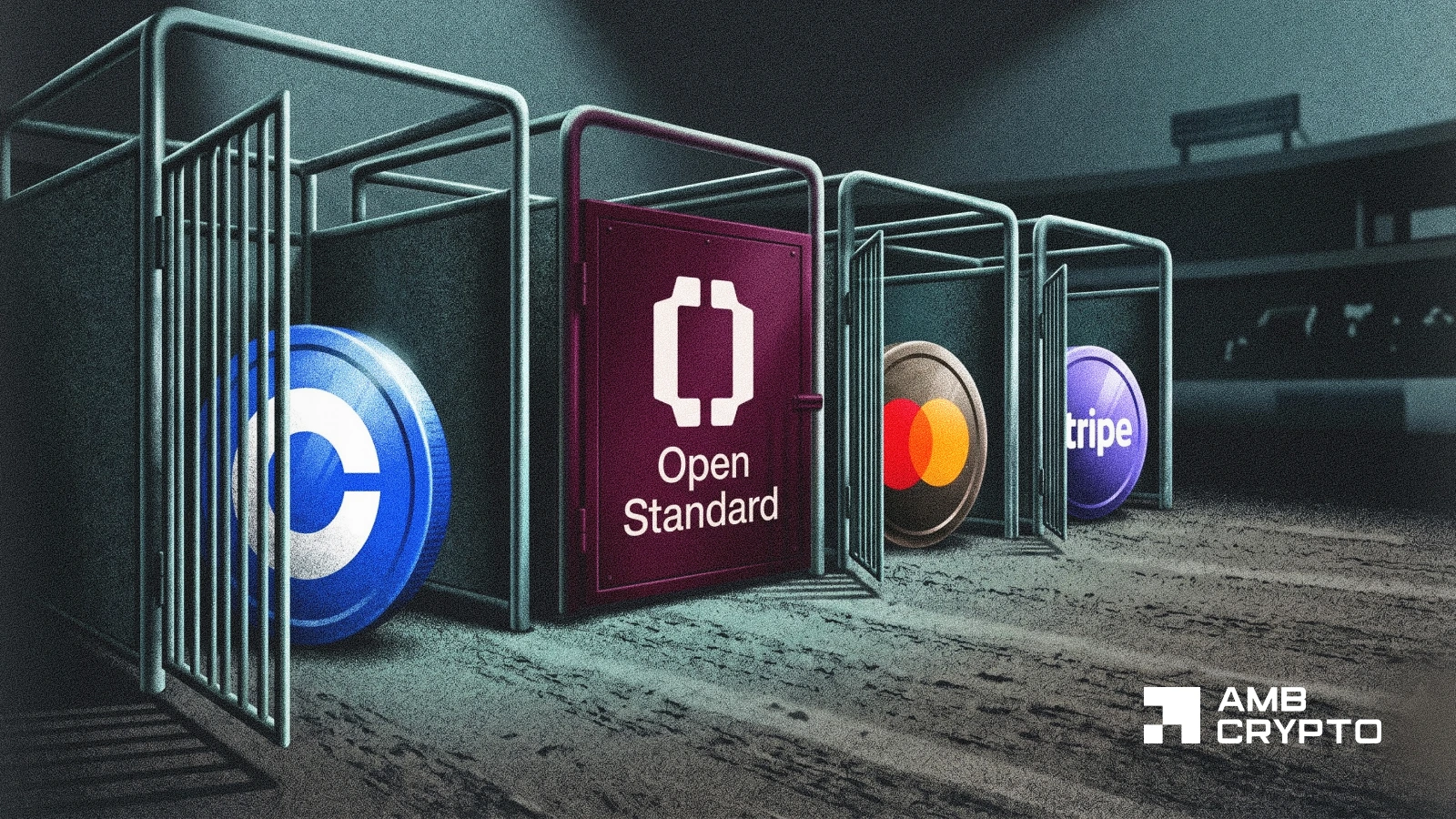
While OUSD is backed by U.S. dollar reserves and built with regulatory compliance in mind, matching USDT’s grassroots adoption in hyperinflationary economies will likely prove to be a much steeper uphill battle.
Official Responses and Industry Reactions
The arrival of a heavily backed, yield-sharing stablecoin has elicited a range of strategic responses from legacy financial institutions and rival crypto entities alike.
Coinbase’s Curious Stance
One of the most intriguing dynamics of the OUSD launch is the participation of Coinbase. The prominent U.S. exchange maintains a deep financial partnership with Circle, under which it shares in and derives a substantial portion of its revenue from the yield generated by USDC reserves. Despite this alliance, Coinbase has chosen to support OUSD. This move highlights the pragmatic, multi-asset reality of modern crypto exchanges, where supporting liquidity across competing standards is critical to retaining high-volume institutional and retail traders.
Circle Downplays the Threat
Unsurprisingly, Circle leadership has sought to minimize the competitive threat posed by Stripe’s new asset. Circle CEO Jeremy Allaire publicly downplayed OUSD’s ability to unseat USDC, pointing to USDC’s deeply entrenched network effects, developer mindshare, and institutional trust as moats that will be exceedingly difficult for a late-comer to replicate.
Mastercard and Visa: Embracing the "Multi-Money" Future
Traditional card networks are viewing the rise of OUSD not as an existential threat, but as validation of an evolving, multi-chain global economy. Jorn Lambert, Chief Product Officer at Mastercard, rejected the notion that the stablecoin market is a "winner-takes-all" scenario. Instead, Lambert views OUSD as a natural adaptation to a "multi-money" future:
"The challenge isn’t creating more forms of money. It’s helping businesses use them. It’s another step toward a more connected and interoperable multi-money future."
Lambert emphasized that bank deposits, commercial card networks, digital assets, and various stablecoins will increasingly operate within a unified, overlapping financial system. In his view, infrastructure providers must remain neutral and flexible, allowing users and enterprises to utilize whichever form of money best suits a specific transaction:
"In a multi-money world, the winners won’t be those who bet on a single form of money. They’ll be those who can use the right form of money for the right moment."
Visa has similarly adopted a neutral, pragmatic approach, aligning with the broader industry trend toward multi-coin and multi-chain interoperability rather than locking itself into a single proprietary ecosystem.
Implications: What OUSD Means for the Future of Finance
The successful deployment of Stripe’s OpenUSD carries profound implications for the future of digital commerce, traditional banking, and blockchain infrastructure.
- The Death of Issuer-Internalized Yield: By baking a yield-sharing mechanism directly into OUSD’s smart contracts and distribution model, Stripe has effectively altered the economic incentive structure of stablecoins. Fintech partners, wallets, and merchants now have a direct financial incentive to promote OUSD over competitors that keep treasury yields locked away. This could force USDC, USDT, and future stablecoin issuers to rethink their own partnership models.
- Consolidation of Fintech and Blockchain: Stripe’s incubation of the Tempo network alongside OUSD demonstrates that payment giants are no longer content merely riding existing blockchain rails. By building specialized infrastructure and integrating native assets into web2 checkout flows, Stripe is blurring the line between traditional payment processors and decentralized finance (DeFi) protocols.
- Escalation of the Stablecoin Wars: The entrance of Stripe, backed by Mastercard and Visa, institutionalizes the stablecoin market further. While crypto started as an alternative to traditional finance, the battle for stablecoin supremacy is now being fought by the very titans of traditional finance. As OUSD eats into USDC’s regulated turf and tests the boundaries of USDT’s offshore dominance, consumers and merchants stand to benefit from lower fees, faster settlement times, and innovative yield-sharing opportunities.
Ultimately, the launch of OpenUSD marks the definitive end of the early, two-player stablecoin era. As the multi-money future takes shape, the ability of OUSD to leverage Stripe’s massive distribution network will determine whether it can successfully dethrone the incumbents or merely carve out a lucrative, compliant niche of its own.
