

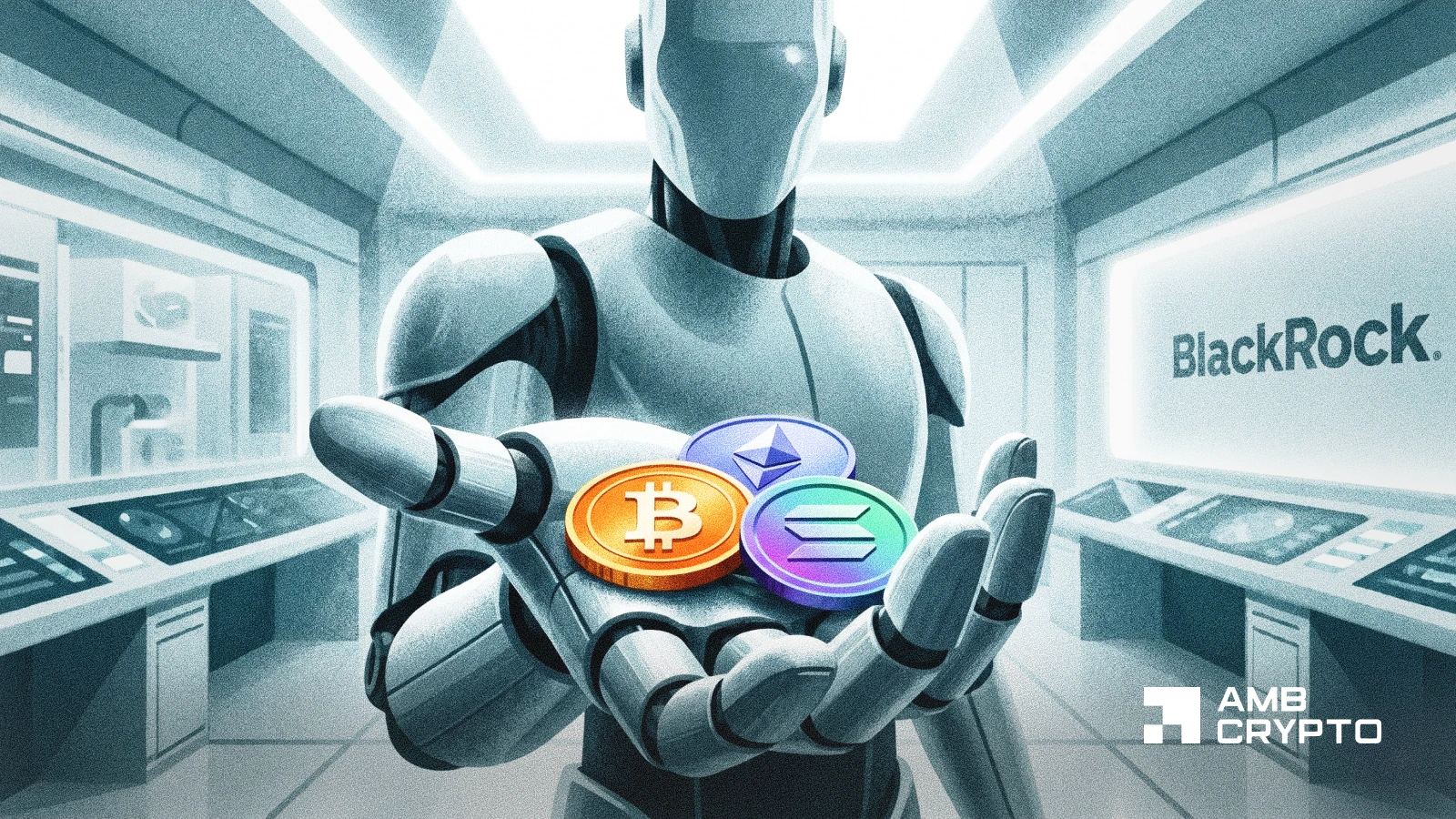
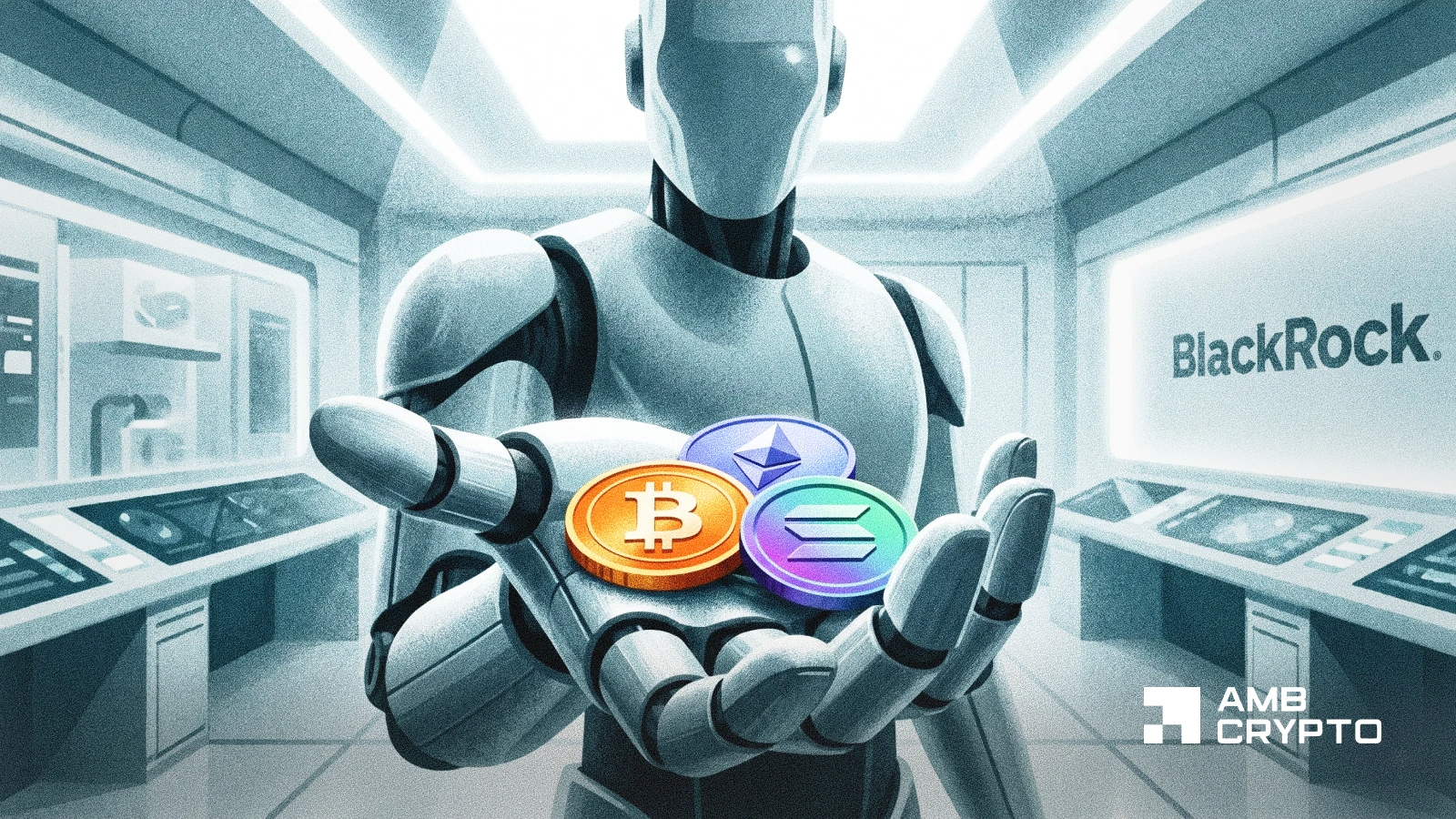
GLOBAL FINANCIAL CAPITALS — In an insightful new research initiative, asset management titan BlackRock has mapped out a transformative horizon where artificial intelligence (AI) and digital assets intersect. As autonomous systems rapidly evolve from simple text and data processors into economic actors, the institutional giant highlights how stablecoins, tokenized assets, and blockchain rails are becoming the native financial plumbing for the burgeoning era of "machine finance."
The findings point to a profound paradigm shift: traditional financial infrastructure, built for human work hours and legacy banking systems, is ill-equipped for a world where software agents execute high-velocity transactions around the clock. Instead, digital assets are poised to capture a massive wave of non-human economic demand.
Main Facts: The Intersection of Autonomous Agents and Digital Currencies
At the core of BlackRock’s analysis is a simple yet revolutionary premise: AI agents are transitioning from digital assistants that offer recommendations to independent economic agents capable of executing transactions, purchasing resources, moving capital, and settling contracts without human intervention.
To function effectively, these autonomous systems require financial infrastructure that matches their operational speed—instantaneous, borderless, programmable, and available 24/7/365. Traditional fiat banking rails, bound by geographic limitations, batch processing, and legacy clearance times, cannot support programmatic machine-to-machine payments.
Digital assets, specifically fully-reserved stablecoins and programmable ledgers, bridge this gap. According to BlackRock’s research, this convergence represents the natural evolution of blockchain technology, expanding its utility from human-centric decentralized finance (DeFi) to machine-driven economic ecosystems. Beyond simple payments, the integration of tokenized real-world assets (RWAs) will grant AI algorithms seamless access to institutional yield, collateral management, and sophisticated financial markets.
Chronology: The Evolution of Machine-Readable Finance
The fusion of artificial intelligence and distributed ledger technology (DLT) did not happen overnight. It is the result of parallel, accelerating technological trajectories that have finally reached an inflection point:
- 2018–2020 (The Rise of Smart Contracts and Stablecoins): Blockchain matured past simple speculative trading tokens. The rapid adoption of fiat-pegged stablecoins provided the crypto ecosystem with a less volatile medium of exchange, laying the groundwork for programmatic, automated settlements via smart contracts.
- 2021–2023 (The Generative AI Boom): Breakthroughs in Large Language Models (LLMs) and generative AI thrust machine intelligence into the mainstream. AI rapidly evolved from predictive analytics to complex reasoning, tool usage, and autonomous workflow execution.
- 2024–2025 (The Institutionalization of Tokenized Assets): Wall Street began heavily investing in tokenization. Major asset managers, led by firms like BlackRock, introduced tokenized money market funds and blockchain-based settlement layers, bridging traditional finance (TradFi) with decentralized rails. By the close of 2025, adjusted stablecoin transaction volumes shattered previous records, crossing the $11 trillion threshold.
- 2026 and Beyond (The Dawn of Machine Finance): AI agents graduate from managing software tasks to holding digital wallets, paying for API calls, renting cloud compute resources autonomously, and optimizing corporate treasury portfolios in real time. BlackRock’s latest market research formally maps this transition, cementing "machine finance" as a core pillar of the future global economy.
Supporting Data: The Scale of Modern Digital Asset Infrastructure
To understand why BlackRock and other institutional entities are looking closely at machine-driven finance, one must examine the staggering data backing current digital asset adoption:
- $11 Trillion+ Volume: Stablecoin networks demonstrated remarkable utility in 2025, posting over $11 trillion in adjusted transaction volume. This places decentralized stablecoin rails on par with major traditional payment processors, driven largely by organic global demand for fast settlement.
- Zero Latency Demands: Modern AI architectures operate on milliseconds. While human-approved credit card transactions or wire transfers operate on settlement cycles ranging from seconds to days, AI agents require sub-second finality to remain economically viable at scale.
- Autonomous Resource Allocation: As AI models proliferate, compute-sharing protocols and decentralized AI networks (such as decentralized GPU marketplaces) increasingly rely on crypto-native tokens to automate micropayments for data feeds and processing power.
Official Responses and Industry Perspectives
BlackRock’s deep dive into AI and digital assets has sparked intense dialogue across both the artificial intelligence and financial technology sectors.
Cryptocurrency analysts and fintech leaders have widely praised the asset manager for identifying what many consider the next major super-cycle for blockchain adoption. Proponents argue that while retail speculation has historically dominated crypto narratives, institutional backing of "machine finance" provides a fundamental, utility-driven valuation model for digital currencies.
Conversely, tech ethicists and cybersecurity experts have raised cautionary flags regarding the unchecked financial autonomy of AI. Granting software agents the ability to transfer capital, access liquidity pools, and leverage assets without human friction introduces systemic risks, including algorithmic flash crashes, unmonitored capital flight, and complex vulnerability exploits in smart contracts.
Financial regulators are also taking note. Central bankers and securities watchdogs are currently grappling with how to apply compliance, anti-money laundering (AML), and know-your-customer (KYC) frameworks to transactions initiated entirely by autonomous code rather than identifiable human entities.
Implications: Reshaping the Global Financial Architecture
The implications of BlackRock’s research extend far beyond crypto-asset valuations or tech sector trends; they signal a fundamental rewiring of how the global economy will operate over the coming decades.

1. The Death of Batch Processing
Legacy banking systems rely heavily on batch processing—grouping transactions together to be cleared at specific end-of-day or end-of-week intervals. AI agents cannot wait hours or days for capital to settle. The normalization of machine finance will force traditional financial institutions to either adopt 24/7 real-time settlement rails or risk obsolescence as enterprise clients migrate to programmable, blockchain-native payment systems.
2. New Paradigms in Corporate Treasury
In the near future, corporate treasuries may no longer be managed solely by human CFOs assisted by software spreadsheets. Instead, autonomous corporate treasury agents will dynamically allocate capital across global debt markets, earn yield on tokenized money market funds, and pay operational expenses dynamically. A company’s AI agent might automatically convert fiat revenue into stablecoins, purchase compute capacity from a decentralized cloud provider in Singapore, and hedge currency risk—all within a matter of seconds.
3. Regulatory and Security Frontiers
As machine-to-machine financial activity scales, regulatory frameworks must adapt. Developing cryptographic identity standards for AI agents—verifying which algorithm or corporate entity authorized a transaction—will become paramount. Furthermore, smart contract security will shift from protecting user funds against human hackers to safeguarding vast pools of institutional capital against recursive, high-speed algorithmic exploits.
Conclusion
BlackRock’s mapping of AI’s growing role in digital assets underscores a profound reality: the future of finance is not human-exclusive. As autonomous systems take on greater economic responsibilities, they require financial rails that mirror their speed, intelligence, and scale. Through the explosive growth of stablecoins and the expansion of tokenized asset markets, the groundwork for machine finance has been laid. The challenge ahead for institutions, regulators, and technologists will be to build a secure, resilient bridge between human oversight and autonomous silicon execution.
