

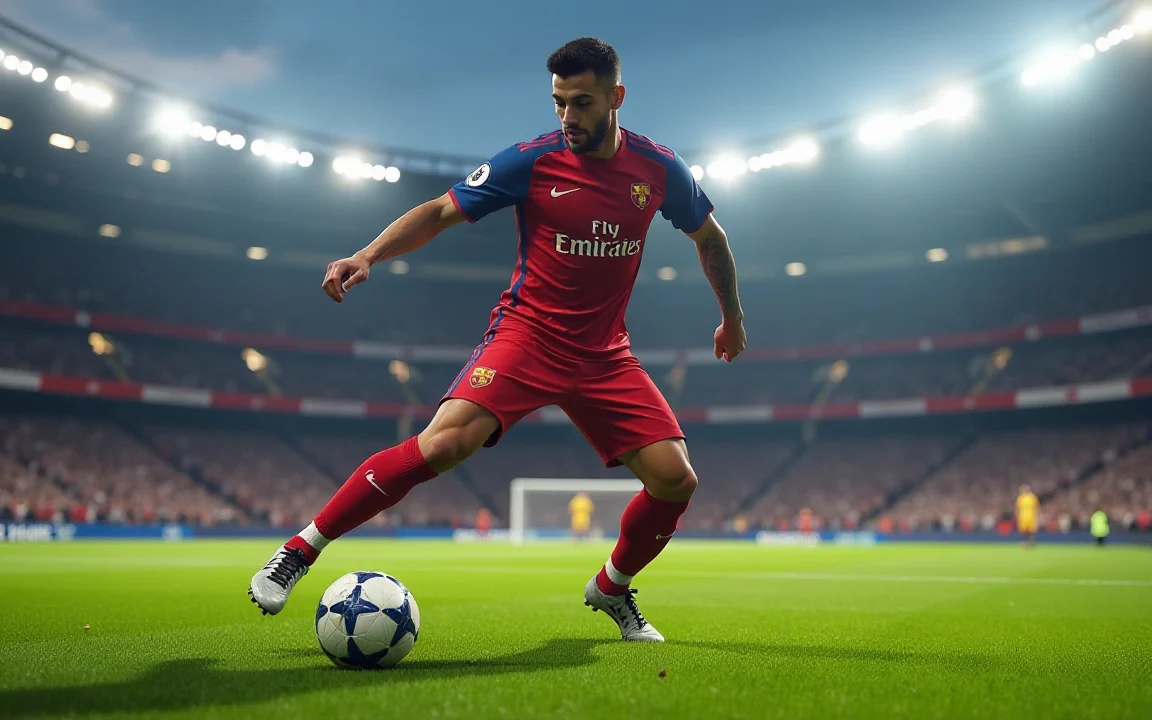
In a landmark shift for the world of sports technology, football’s global governing body, FIFA, has officially announced the migration of its "FIFA Collect" platform to a dedicated Layer-1 blockchain. Developed in strategic collaboration with Avalanche and the technology partner Modex, this initiative represents a major evolution in how the world’s most popular sport interacts with digital collectibles, Web3 infrastructure, and fan engagement.
By moving away from general-purpose networks to a bespoke, high-performance infrastructure, FIFA is signaling that it is no longer merely experimenting with Web3; it is institutionalizing it. This move, set to take effect following a migration window starting after May 20, positions FIFA at the forefront of the sports-themed digital asset economy.
The Architecture of Innovation: Why a Dedicated Layer-1?
At the core of this transition is the creation of a custom-built, application-specific blockchain. Unlike generic blockchains that host thousands of disparate applications—often leading to network congestion and variable transaction costs—FIFA’s new Layer-1 chain is designed specifically for its unique ecosystem.
Scalability and Performance
The choice of Avalanche for this project is deliberate. Avalanche is renowned for its Subnet architecture, which allows for the creation of interoperable, customizable blockchains that benefit from the security and speed of the primary Avalanche network while maintaining their own independent performance metrics. For a global entity like FIFA, which counts its fanbase in the billions, the ability to handle high-volume drops of digital memorabilia without the "gas wars" or latency issues associated with public mainnets is a technical imperative.
Modex: The Engine Under the Hood
To execute this ambitious vision, FIFA has tapped Modex, a specialist in blockchain infrastructure, to serve as the technical lead. Modex is tasked with designing the architecture that will power the new chain and overseeing the comprehensive upgrade of the FIFA Collect marketplace. This partnership is expected to ensure that the transition is invisible to the end-user, maintaining the seamless, "Web2-style" user experience that mainstream fans expect, while delivering the backend benefits of decentralized ownership and provable scarcity.
A Chronology of FIFA’s Digital Journey
The leap to a dedicated Layer-1 blockchain did not happen overnight. It is the culmination of a multi-year strategy to digitize the football experience.
- 2022: The Qatar World Cup Trial: FIFA’s initial forays into Web3 were centered around the 2022 FIFA World Cup in Qatar. During this time, the governing body launched several experimental NFT drops and blockchain-based gaming initiatives. These served as a "proof of concept," demonstrating that football fans were indeed willing to engage with digital memorabilia if the content was authentic and the platform was accessible.
- 2023: The Foundation of FIFA Collect: Following the success of the World Cup activations, FIFA launched "FIFA Collect," a platform dedicated to digital collectibles featuring iconic moments, players, and imagery from the history of the sport.
- 2024: Strategic Evaluation: Recognizing the limitations of relying on third-party public chains for a global product, FIFA began exploring the potential for a dedicated network. The partnership with Avalanche and Modex was formalized during this period to address the need for a proprietary, scalable, and secure environment.
- May 2025: The Migration Phase: The transition to the new dedicated Layer-1 marks the beginning of a new era. This phase is designed to consolidate existing assets onto the new chain, laying the groundwork for a broader, more integrated digital ecosystem.
Implications for the Sports-Tech Landscape
The migration of FIFA Collect to its own blockchain carries significant implications for the sports industry, moving beyond simple digital trading cards into a new paradigm of fan participation.
From Collectibles to Utility
While "FIFA Collect" is currently focused on digital memorabilia, the architecture of the new Layer-1 chain is designed to support much more. Industry experts anticipate the integration of "tokenized fan experiences," where holding a specific digital collectible might grant holders exclusive access to real-world benefits, such as tickets to future tournaments, behind-the-scenes content, or voting rights on minor administrative matters.
Bridging Gaming and Ownership: The FIFA Rivals Factor
The strategic roadmap extends beyond simple collectibles into the world of interactive gaming. A key component of this expansion is FIFA Rivals, a mobile-first football game developed in partnership with Mythical Games. By integrating this game with the new blockchain infrastructure, FIFA is bridging the gap between passive consumption and active gaming. Players will be able to own their in-game assets as NFTs, trade them in a decentralized marketplace, and move their value across the broader FIFA digital ecosystem.
Supporting Data: The Growth of the Digital Sports Economy
The shift toward blockchain by major sporting bodies is not an anomaly; it is a response to shifting consumer behavior. Data suggests that Gen Z and Millennial sports fans are increasingly looking for ways to "own" their fandom.
- Market Demand: According to various industry reports, the sports NFT market has shown remarkable resilience even during market downturns. The demand is driven not by speculative trading alone, but by the "fandom factor"—the emotional connection to a specific goal, player, or historic tournament match.
- Infrastructure Efficiency: By utilizing Avalanche’s Subnet technology, FIFA is able to maintain a "football-first" user experience. This includes faster settlement times and lower transaction fees, which are essential for attracting casual fans who may have no prior experience with cryptocurrency or digital wallets.
- Global Reach: With the World Cup’s massive global audience, the infrastructure must be capable of handling millions of simultaneous interactions. Avalanche’s architecture is uniquely suited to this level of throughput, providing the reliability that a global organization requires.
Official Responses and Strategic Vision
While FIFA has remained tight-lipped regarding the specific financial details of the partnership, their communications underscore a commitment to innovation. In statements released alongside the Avalanche announcement, representatives emphasized that the goal is to create a digital environment that is as accessible as it is advanced.
"Our objective is to make the digital football experience available to everyone, regardless of their technical expertise," noted a spokesperson close to the project. "By building a dedicated chain, we are removing the friction that has historically prevented mass-market adoption of blockchain technology in sports."
Avalanche, for its part, views this partnership as a definitive validation of its Layer-1 scaling strategy. By hosting one of the world’s most recognizable brands, Avalanche is cementing its reputation as the "institutional choice" for large-scale enterprise blockchain deployments.
Future Outlook: What Comes Next?
As the migration process concludes, the focus for FIFA will shift toward content expansion. Fans can expect:
- Regular Digital Drops: Building on the existing "Drops Page" format, the new chain will facilitate more frequent and diverse digital releases, ranging from historical archive footage to modern-day player highlights.
- Expanded Gaming Integrations: Beyond FIFA Rivals, the infrastructure is built to support a range of third-party developers, potentially opening the door for a "FIFA Metaverse" where developers can build licensed games on top of the existing chain.
- Enhanced Security: By moving to a dedicated, audited, and controlled environment, FIFA is providing its fans with a higher degree of security against fraud and unauthorized secondary market activity.
Conclusion: A New Era for Football Fandom
The decision by FIFA to launch a dedicated Layer-1 blockchain is a watershed moment for Web3 in sports. It demonstrates a move away from "gimmick" NFT drops toward a long-term, utility-driven digital infrastructure. By prioritizing scalability, security, and a user-centric experience, FIFA is effectively building the digital foundations of the next century of football.
As the migration proceeds throughout 2025, the global sporting community will be watching closely. If successful, this project will likely serve as the blueprint for other major sports leagues, potentially triggering a broader migration of sporting digital economies onto dedicated, high-performance blockchains. FIFA has set the stage; now, the game begins in the digital arena.
