

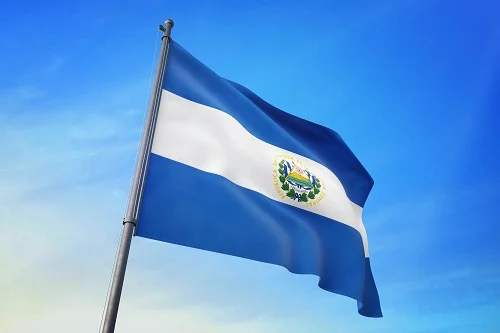
In a significant move that underscores the evolving landscape of global cryptocurrency regulation, Binance, the world’s largest digital asset exchange, has officially become the first crypto-asset service provider to receive a full license in El Salvador. This landmark development marks a strategic triumph for the exchange and reinforces El Salvador’s position as a pioneering, albeit controversial, laboratory for the global adoption of Bitcoin and digital assets.
The Main Facts: A Dual Regulatory Victory
The regulatory green light comes in the form of two distinct, critical authorizations. Binance has been granted the Bitcoin Services Provider (BSP) license, issued by the Central Reserve Bank of El Salvador (Banco Central de Reserva), and the Digital Assets Services Provider (DASP) license, granted by the National Commission of Digital Assets (Comisión Nacional de Activos Digitales).
These licenses are not merely ceremonial; they represent a rigorous vetting process. By securing the DASP license, Binance becomes the first non-provisional provider of its kind in the Central American nation. This status allows the company to offer a comprehensive suite of digital asset services to the Salvadoran public, moving beyond the limitations often placed on crypto firms in developing regulatory environments.
The news was confirmed by Binance CEO Changpeng Zhao (CZ) via social media, who framed the achievement as part of the exchange’s broader mission to increase global crypto accessibility.
Chronology: From Legal Tender to Institutional Integration
To understand the significance of this licensing, one must look at the unique history of El Salvador’s crypto journey.
- September 2021: El Salvador makes global headlines by becoming the first country in the world to adopt Bitcoin as legal tender, a move championed by President Nayib Bukele.
- 2022–2023: The Salvadoran government establishes a legal framework for digital assets, creating the National Commission of Digital Assets to oversee the sector and provide clarity for institutional players.
- June 2023: Binance faces significant legal headwinds in the United States, with the Securities and Exchange Commission (SEC) filing a lawsuit alleging the sale of unregistered securities and other regulatory violations.
- August 2023: After months of rigorous due diligence, the Central Reserve Bank and the National Commission of Digital Assets officially grant the BSP and DASP licenses to Binance.
- Post-Licensing: Binance prepares to tailor its services to the specific economic and financial needs of the Salvadoran population, focusing on financial inclusion and local regulatory cooperation.
Supporting Data: Navigating a Global Regulatory Patchwork
Binance’s expansion into El Salvador is a calculated maneuver within a broader, complex strategy of global compliance. The exchange has faced a turbulent year characterized by both aggressive expansion and defensive retreats.
While the company has withdrawn from several jurisdictions—including Canada and parts of the European Union—due to shifting regulatory requirements, it has simultaneously solidified its presence in markets that offer clearer, albeit stringent, regulatory pathways. El Salvador joins an expanding list of jurisdictions that have granted Binance registration or licensing, including Italy, France, Spain, Sweden, and Dubai.
The move into El Salvador is particularly strategic. By positioning itself within a country that has already integrated Bitcoin into its national financial infrastructure, Binance is effectively moving from a "shadow" service provider to an institutional partner. The due diligence process in El Salvador was noted by the exchange as being thorough, serving as a retort to critics who suggest that the firm avoids regulatory oversight.
Official Responses and Strategic Vision
The leadership at Binance has been vocal about the implications of this licensing. Min Lin, Binance’s Head of Latin America, emphasized the collaborative nature of the achievement: "We are honored to be granted this license, as Binance continues to work collaboratively with regulatory agencies around the world to support global standards for the crypto and blockchain industry."
Daniel Acosta, the General Manager for Colombia, Central America, and the Caribbean, provided further context regarding the practical application of these licenses: "These licenses allow Binance to expand the products and services offered, including options tailored to the needs of our customers in El Salvador. It is also a great opportunity to collaborate closely with government authorities to support the adoption of crypto assets in the country, foster financial inclusion, innovation, and ensure customer protection."
These statements highlight a shift in corporate tone. By emphasizing "customer protection" and "collaboration with government authorities," Binance is attempting to align its public image with the expectations of traditional financial regulators, a necessary pivot given the scrutiny it faces from Western market watchdogs.
Implications: What This Means for Crypto and El Salvador
1. The Validation of the "Bukele Model"
For the Salvadoran government, the arrival of a major player like Binance is a victory for the "Bitcoin Law." Critics of President Bukele’s Bitcoin experiment have long argued that the lack of institutional interest and the volatility of the asset would lead to failure. By securing a major global exchange, the government can point to increased institutional legitimacy, suggesting that the regulatory framework they built is effective and attractive to global capital.
2. Financial Inclusion vs. Regulatory Risk
The potential for financial inclusion in El Salvador is substantial. A significant portion of the Salvadoran population remains "unbanked," relying heavily on cash and remittances from abroad. If Binance can successfully bridge the gap between traditional banking and digital assets, it could theoretically lower the cost of remittances—a key goal of the government’s original Bitcoin initiative. However, this comes with risks. The integration of a global exchange into a developing economy requires robust local oversight to prevent money laundering and ensure that the retail public is not exposed to predatory practices.
3. Binance’s "Compliance First" Pivot
The acquisition of the Salvadoran licenses is a vital component of Binance’s attempt to rehabilitate its global reputation. By demonstrating that it can pass the vetting processes of a national central bank, Binance is building a "compliance portfolio" that it can present to regulators in more skeptical markets. Whether this strategy will be sufficient to appease the SEC or other Western regulators remains to be seen, but it provides a tangible defense against claims of non-compliance.
4. The Future of Crypto in Central America
Binance’s entry may trigger a "follow-the-leader" effect. If Binance finds success in the Salvadoran market, other exchanges are likely to follow suit, potentially turning the country into a regional hub for digital asset innovation. This could foster a competitive environment, driving down fees and increasing the quality of services available to local users.
Conclusion: A New Chapter in Global Crypto Finance
The issuance of these licenses marks a pivotal moment for both Binance and El Salvador. For Binance, it is a strategic maneuver to demonstrate global regulatory compliance in the face of mounting legal pressure. For El Salvador, it is a milestone in the nation’s high-stakes gamble to redefine its economy through Bitcoin.
As the crypto industry moves toward an era of increased institutionalization, the success of this partnership will be measured not by the rhetoric of executives, but by the tangible impact on the lives of Salvadoran citizens. Will this lead to genuine financial inclusion, or is it simply a high-profile move in a global game of regulatory chess? Regardless of the outcome, the fact that a global titan like Binance is now fully licensed in a sovereign nation that recognizes Bitcoin as legal tender is a signal that the integration of traditional finance and the digital asset economy is accelerating, regardless of the hurdles that remain.
