

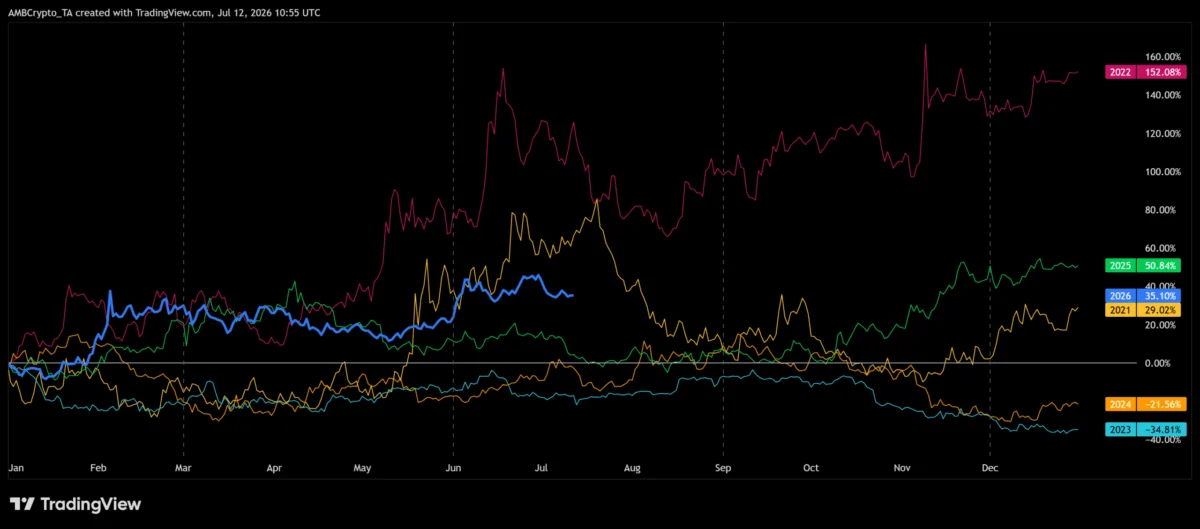
The landscape of the digital asset market has undergone a profound transformation as of July 2026. While the broader cryptocurrency ecosystem has witnessed rapid adoption, the prevailing sentiment among investors has shifted decisively away from the high-octane volatility of speculative assets toward the bedrock of stability. This paradigm shift is not merely a reactionary movement; it is a calculated pivot toward the reliable utility of stablecoins, with Tether (USDT) emerging as the undisputed dominant currency across the global market.
Main Facts: The Rise of the Stablecoin Hegemony
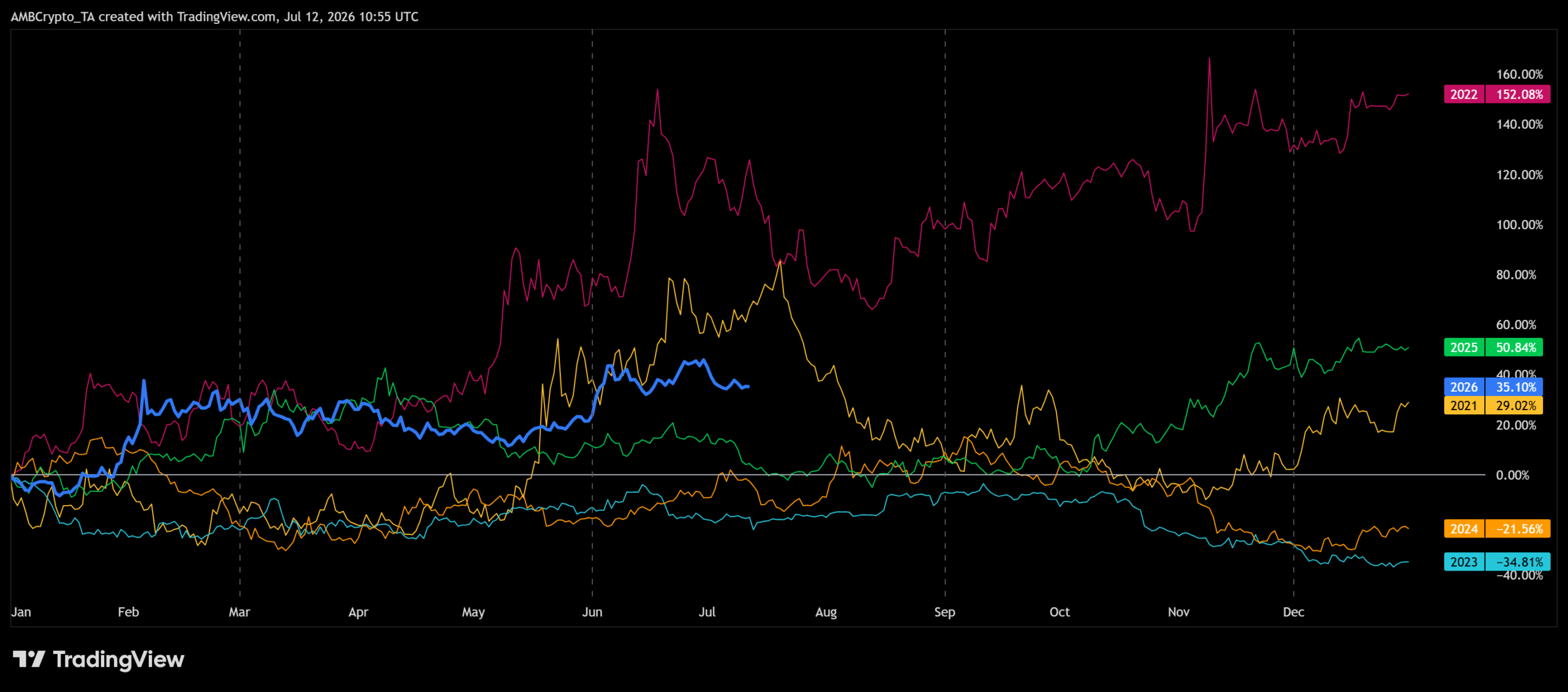
The data is unequivocal: investors are prioritizing safety and liquidity above potential upside. As of July 2026, USDT usage has surged to a staggering 35.1%, a significant leap from the 29.0% recorded during the same period in 2021. This growth trajectory is even more impressive when compared to the stagnating or negative trends seen as recently as 2024.
This is not a fleeting trend. The total stablecoin market capitalization has expanded to approximately $312 billion, signaling that the demand for these assets now stretches far beyond the traditional crypto-native user base. Enterprises, payment processors, and institutional entities are increasingly viewing stablecoins not as a temporary bridge to crypto-assets, but as a permanent, efficient layer for the modern global financial infrastructure.
Chronology: A Multi-Year Evolution of Utility
To understand the current state of the market, one must examine the progression of stablecoin adoption over the last half-decade:
- 2021 (The Speculative Peak): During the bull run of 2021, stablecoins were primarily used as a liquidity vehicle for traders looking to rotate in and out of volatile positions. Adoption sat at roughly 29%, driven largely by retail interest in decentralized exchanges and yield farming.
- 2024 (The Period of Uncertainty): Market conditions grew challenging, with usage rates falling into negative territory as investor confidence waned and regulatory scrutiny peaked globally.
- 2025 (The Turning Point): A significant transition began as daily active addresses for ERC-20 stablecoins surged, consistently maintaining a range between 400,000 and 700,000. This period marked the beginning of institutional integration.
- 2026 (The Era of Real-World Utility): By mid-2026, stablecoins shed their image as "shadow money" and became central to the cross-border payment strategies of global financial giants.
Supporting Data: By the Numbers
The shift toward stability is supported by robust on-chain metrics. The surge in active addresses—averaging up to 700,000 daily—highlights that these assets are being moved, traded, and settled, rather than simply held in dormant wallets.
Furthermore, the expansion of the stablecoin market to $312 billion reflects a growing trust in the underlying peg mechanisms and the operational transparency of major issuers like Tether. When juxtaposed with the performance of Bitcoin (BTC) and Ethereum (ETH), the preference becomes clear: institutional capital is currently favoring the cost-efficient, transactional outcomes provided by stablecoins over the speculative, high-beta nature of the primary cryptocurrencies. Despite the broader market’s growth, there has been a notable lack of institutional rotation into BTC or ETH, reinforcing the hypothesis that the current market is prioritizing "utility-first" assets.
Official Responses and Institutional Integration
The acceleration of stablecoin utility is fundamentally linked to the strategic decisions made by the world’s largest payment networks. The entrance of legacy financial titans has validated the technology for mass-market consumption:
- Visa: The company has expanded its stablecoin settlement pilot, targeting a broad rollout across 100 countries to facilitate instant, low-cost international transfers.
- Mastercard: By aggressively integrating stablecoins into their payment infrastructure, Mastercard is addressing the demand from institutions that require the speed of blockchain settlement without the associated risk of price volatility.
- PayPal and Stripe: Both fintech leaders have integrated stablecoin rails to streamline cross-border payments for merchants, effectively cutting settlement times from days to mere minutes.
Industry analysts note that these firms are no longer experimenting; they are scaling. The motivation has shifted from mere cost-saving—though that remains a factor—to creating new financial products that offer instant settlement capabilities that legacy banking systems, such as SWIFT, still struggle to match.
Implications for the Future of Finance
The implications of this shift are profound, both for the crypto-industry and the broader global economy.
1. From Speculation to Economic Foundation
The primary driver of blockchain growth is transitioning from cycle-driven speculation to real-world economic activity. If payment adoption continues to accelerate at its current pace, transaction utility will become the primary growth driver for the entire ecosystem. This move provides a more sustainable foundation for blockchain technology, one that is less sensitive to the "boom and bust" cycles that have historically characterized the crypto-market.
2. The Role of the Corporation
Corporations are now playing a pivotal role in the adoption of decentralized infrastructure. By integrating stablecoins into their treasury operations, companies are effectively "stress-testing" blockchain networks, forcing them to become more secure, scalable, and efficient. This corporate participation creates a virtuous cycle: as networks become more efficient to support corporate needs, they become more attractive to a wider range of users.
3. The Institutional Standoff
The current standoff between stablecoin utility and speculative asset allocation is a critical development to watch. While institutions are hesitant to commit to the volatility of Bitcoin, their deep involvement in stablecoins creates a "soft entry" into the crypto-ecosystem. Once the infrastructure for stablecoins is fully embedded in global finance, the barrier to entry for other digital assets may lower significantly.
4. A Shift in Market Psychology
The 35.1% usage rate of USDT compared to the broader market reflects a psychological change in the investor base. The market has matured. It no longer views digital assets as an "all or nothing" gamble. Instead, the market is utilizing the benefits of blockchain (transparency, speed, 24/7 settlement) while stripping away the volatility that previously prevented mainstream adoption.
Conclusion
As we look toward the remainder of 2026, the trend is clear: the digital asset market is moving toward a state of mature, utility-driven stability. Tether’s dominance is not a sign of stagnation, but a sign of integration. As global payment firms continue to build on the foundation of stablecoins, the line between traditional finance and blockchain-based finance continues to blur.
The future of the industry will not be defined by the next speculative rally, but by the quiet, efficient movement of billions of dollars across borders in seconds. This is the new reality of the crypto-economy—an ecosystem that has finally prioritized the needs of the global user over the whims of the speculator. As this infrastructure solidifies, blockchain is no longer just an alternative financial system; it is becoming the backbone of the modern global economy.
