

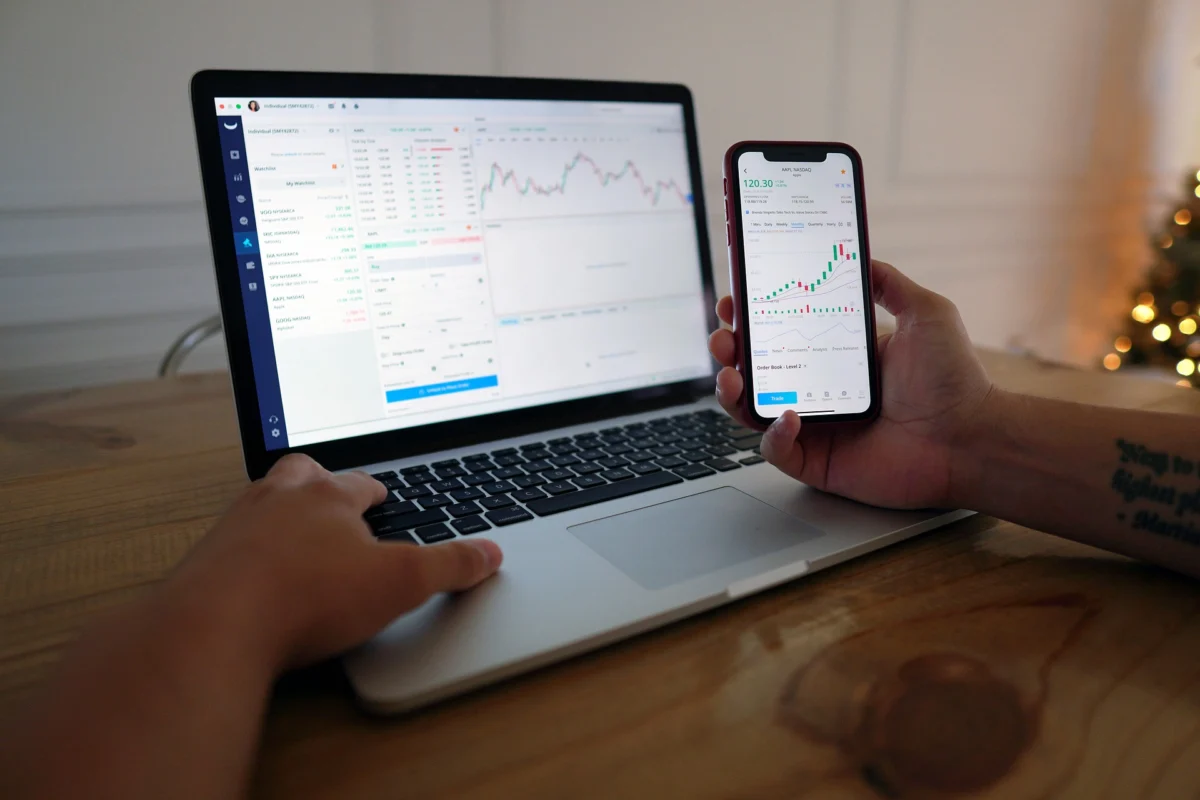
Bitcoin’s recent climb back toward the $64,000 threshold marks a pivotal moment for digital asset markets. While the recovery provides a much-needed psychological boost for bulls, the asset now faces a more formidable challenge: navigating the heavy "overhead supply" that has accumulated during recent weeks of volatility. The market has moved from a state of reactive panic to a calculated, balanced test of demand, leaving traders and institutional analysts waiting to see if this momentum has the structural integrity to hold.
For observers of the crypto space, the distinction between "market noise" and "durable signals" has never been more vital. As Bitcoin oscillates near this technical hurdle, the focus shifts away from speculative sentiment and toward the empirical data provided by on-chain analysis and institutional flow metrics.
The Anatomy of the $64,000 Test: Why It Matters
In the world of technical analysis, round numbers like $64,000 act as psychological magnets. However, the significance here goes beyond mere sentiment. The current price range represents a significant cluster of supply—a "liquidity wall"—comprising traders who bought the dip and are now looking to secure profits, as well as those who were "trapped" during the recent drawdown and are eager to exit at breakeven.
The Dynamics of Resistance
When an asset rebounds, the first phase—the initial recovery—serves as a proof-of-concept that demand still exists. The second phase, which Bitcoin is entering now, is the true stress test. Buyers must demonstrate that their conviction is strong enough to absorb the incoming sell orders from those exiting their positions.
If Bitcoin sustains a clean break above this cluster, the market sentiment could reset rapidly, potentially igniting a new leg of the cycle. Conversely, a rejection at this level would signal that the market requires additional time to consolidate and digest the recent turbulence.
Chronology of the Recovery: From Panic to Equilibrium
The last several weeks have been defined by a complex interplay of macroeconomic shifts and internal crypto-native events. To understand where we are, one must look at the recent timeline of the market’s behavior.
- The Volatility Spike: The period began with a sharp contraction in price, driven by a confluence of liquidation events and macroeconomic uncertainty. During this phase, market participants saw a sharp decline in liquidity, causing prices to swing wildly on relatively low volume.
- The Rebound Attempt: As the market bottomed out, institutional interest began to materialize in the form of selective accumulation. This was not a "V-shaped" recovery fueled by euphoria, but rather a methodical climb back.
- The Current Consolidation: Over the last few sessions, Bitcoin has transitioned into a "balanced test." The volatility has decreased, and the market is now weighing several smaller signals—such as government wallet movements and shifting ETF flows—rather than reacting to a single, dominant headline.
Supporting Data: Beyond the Charts
This recovery is not a story told solely by candlestick patterns. To gain a clearer picture, analysts are increasingly turning to on-chain data provided by platforms like Arkham Intelligence.
ETF Flows and Institutional Sentiment
Bitcoin Exchange-Traded Funds (ETFs) have become the primary barometer for institutional engagement. The recent shifts in ETF inflows indicate that while retail sentiment may be cautious, large-scale capital is actively monitoring these support levels. The data shows that when prices dip toward key technical support, institutional inflows tend to stabilize, acting as a "floor" for the asset.
Government Wallet Activity
A unique factor in the current market cycle is the transparency of government-held Bitcoin. Movements in wallets associated with government entities have historically served as catalysts for volatility. Tracking these movements is no longer a niche activity; it is a fundamental part of the risk-assessment process for institutional desks.
Liquidity and Exchange Dynamics
Liquidity, or the ease with which large orders can be filled without moving the price, has been erratic. By analyzing the depth of order books across major exchanges, analysts can determine whether the move toward $64,000 is supported by "real" bids or if it is a result of thin order books being pushed by low-volume aggressive buying. Current data suggests a healthier distribution of liquidity compared to the panic-selling phase, though caution remains the watchword.
Official Perspectives and Market Interpretations
Market analysts and institutional firms are currently divided on the trajectory of the next quarter. The prevailing view is that we are in a "show-me" market.
"The current development is worth separating from ordinary market noise," notes the research team at Arkham. "A headline can create temporary attention, but the more durable signal is whether the underlying source points to real activity—be it a real filing, a concrete integration, or a measurable change in how institutions behave."
This view underscores a shift in how professional traders approach crypto. Instead of forcing Bitcoin into a simple "bullish vs. bearish" box, sophisticated participants are focusing on the context of the move. A new regulatory update or an institutional integration may not trigger an instant price surge, but it changes the structural landscape in which traders operate.
Implications: The Path Forward
The practical takeaway for investors is that the "story" of Bitcoin must now be read through two distinct lenses: market structure and product execution.
1. The Role of Measurable Execution
If follow-up data confirms the current trend—through sustained institutional inflows, clear regulatory progress, or increased developer adoption—the recovery will have the foundation to endure. If, however, these signals weaken, the market will likely revert to a range-bound state as it searches for a new catalyst.
2. Avoiding Speculative Noise
Crypto narratives often move faster than the facts behind them. The danger for the average reader is in treating speculative headlines as guaranteed price triggers. The professional approach, as highlighted by recent market movements, is to treat current events as signals within a larger, complex puzzle.
3. Monitoring the Wider Pattern
Looking ahead, the key is to determine if the $64,000 move is part of a broader, long-term trend or a temporary deviation. Key areas for readers to keep on their radar include:
- Institutional Participation: Continued ETF inflow consistency.
- Regulatory Clarity: Any changes in the legal framework surrounding digital asset custody.
- Technical Roadmap: Progress on protocol upgrades that enhance scalability and network utility.
- Wallet Movements: Shifts in large-entity holdings that could indicate upcoming selling pressure or strategic accumulation.
Conclusion: A Market in Transition
Bitcoin’s return to the $64,000 area is a testament to the resilience of the asset class, but it is not a signal that the market is "out of the woods." The focus has correctly shifted from the panic-driven volatility of the past few weeks to the structural integrity of the current recovery.
For investors and enthusiasts, the coming sessions will be telling. The market is currently in a state of high-level deliberation, weighing the impact of institutional flows, government wallet shifts, and macro-liquidity changes. By focusing on measurable, source-backed data rather than speculative chatter, market participants can better navigate this complex environment.
As we move forward, the strength of the Bitcoin narrative will not be determined by the speed of the next price jump, but by the clarity and consistency of the underlying market mechanics. The current test at $64,000 is the first step in proving that the market’s recovery is built on a foundation of genuine demand rather than mere hope.
Disclaimer: This report is based on market and wallet data from Arkham Intelligence and does not constitute financial advice. Crypto assets are highly volatile, and readers should conduct their own research before making investment decisions. This article was prepared by the News Desk and edited by Samuel Rae.
