

In the rapidly evolving landscape of digital assets, a definitive shift in investor behavior is underway. While the broader cryptocurrency market continues to witness accelerated adoption, a growing segment of participants—ranging from retail traders to multinational corporations—is increasingly prioritizing stability over the high-volatility prospects typically associated with crypto-native assets. At the heart of this transformation is Tether (USDT), which has cemented its position as the dominant medium of exchange, signaling a profound transition from speculative trading to pragmatic, real-world utility.
Main Facts: The Rise of the Stablecoin Hegemony
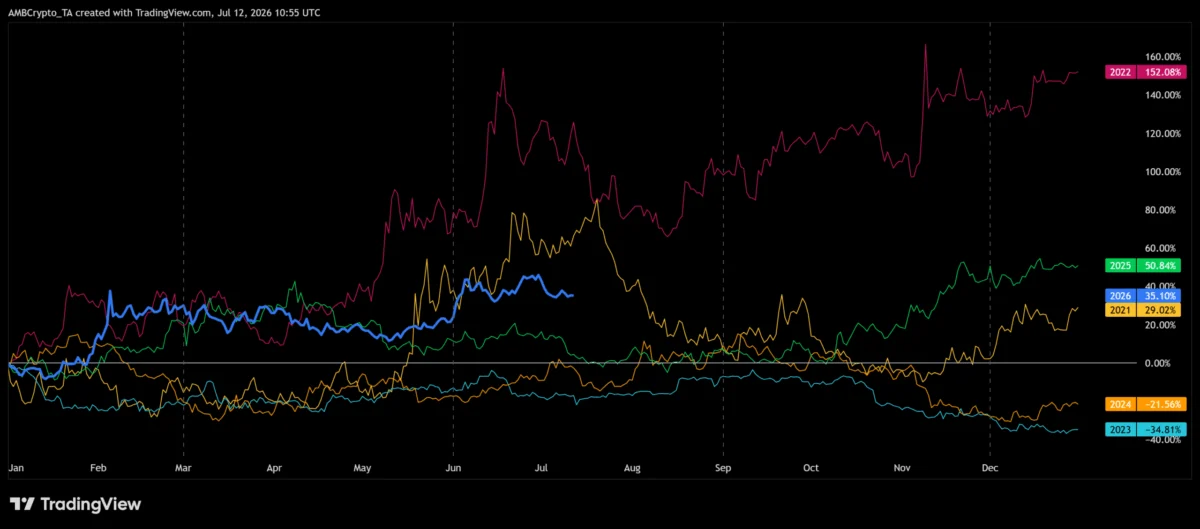
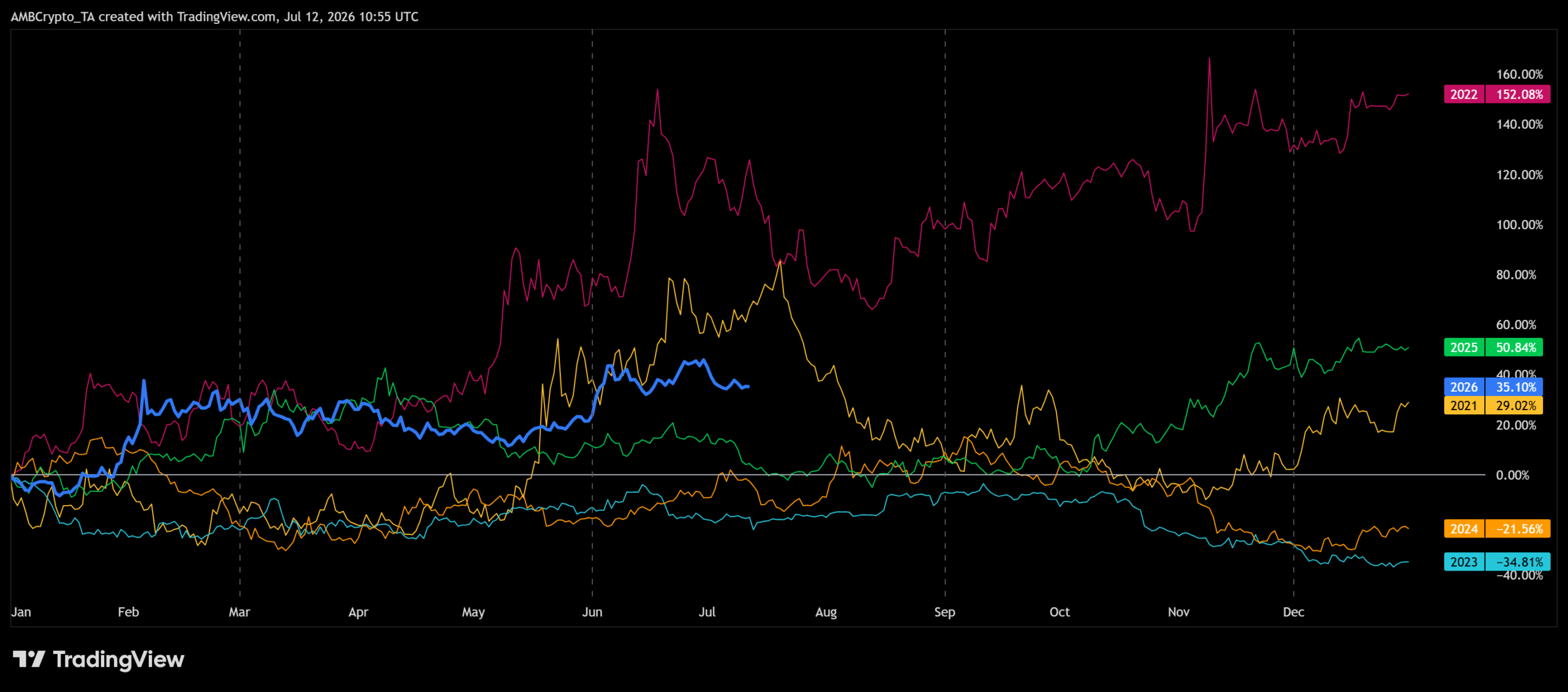
The current market environment is characterized by a "flight to safety," with investors favoring the pegged value of stablecoins over the fluctuating prices of assets like Bitcoin (BTC) or Ethereum (ETH). By July 2026, data indicates that USDT usage has climbed to an impressive 35.1%, marking a significant increase from the 29.0% recorded during the same period in 2021.
This rise is not merely a byproduct of market fear; it is a structural evolution. Unlike the bearish or uncertain periods of 2024, where stablecoin usage saw stagnant or negative growth, the current trajectory reflects a robust demand for liquidity and transactional reliability. As the total stablecoin market cap approaches a staggering $312 billion, it is evident that the utility of these assets has transcended the boundaries of crypto-native enthusiasts and is now firmly embedded in the global financial infrastructure.
Chronology: A Multi-Year Evolution Toward Utility
To understand the current dominance of stablecoins, one must examine the progression of their adoption over the last five years.
- 2021: The Speculative Inflection Point: During the bull market of 2021, stablecoins were primarily used as a "parking spot" for capital between high-risk trades. Usage hovered around 29%, serving largely as a tool for leverage and liquidity within centralized exchanges.
- 2024: The Period of Stagnation: Following the market corrections of previous cycles, 2024 served as a sobering year. Usage figures remained in negative territory, reflecting a cautious investor base and a period of consolidation where capital inflows into the crypto ecosystem slowed significantly.
- 2025: The Infrastructure Pivot: The narrative shifted in 2025. This was the year that global payment processors and traditional financial institutions began to pilot blockchain-based settlement systems in earnest. Daily active addresses on ERC-20 networks began to surge, consistently hitting between 400,000 and 700,000, signaling a move toward consistent, everyday usage.
- 2026: The Era of Real-World Utility: By July 2026, the data confirms that stablecoins have moved beyond mere trading tools. With usage peaking at 35.1%, they are now the backbone of cross-border settlement, treasury operations, and enterprise-level financial planning.
Supporting Data: Analyzing the On-Chain Metrics
The data provided by platforms like CryptoQuant and TradingView paints a compelling picture of a market that has matured. The surge in active addresses is perhaps the most telling metric. When daily active addresses remain elevated between the 400,000 to 700,000 range, it suggests that stablecoins are not just being held in wallets but are being moved across the blockchain to settle debts, pay for services, and move capital across borders.
Furthermore, the comparison against 2024’s negative performance underscores that the current growth is not a seasonal fluke. It is a sustained trend supported by actual economic activity. The integration of stablecoins into the tech stacks of major firms like Visa, Mastercard, PayPal, and Stripe has provided the necessary "on-ramps" and "off-ramps" that were missing in previous cycles, allowing businesses to bypass the inefficiencies of the legacy SWIFT network.
Official Responses and Institutional Sentiment
The silence of institutional investors regarding a major rotation into Bitcoin or Ethereum is, in itself, a loud statement. While many analysts expected a "risk-on" phase as the market recovered, institutional capital has remained anchored in stable assets.
Industry leaders at companies like Visa and Mastercard have noted that the primary driver for their stablecoin initiatives is the "speed and cost-efficiency" that blockchain technology offers. In a recent internal briefing, a representative for a major payment firm stated: "The demand from our enterprise clients is not for speculative digital assets, but for a programmable, instant, and borderless currency. Stablecoins solve the T+3 settlement latency that has plagued global commerce for decades."
This sentiment is echoed by corporate treasurers who are increasingly utilizing stablecoins to hedge against currency fluctuations in emerging markets. For these entities, the motivation is no longer just the reduction of settlement costs—though that remains a significant factor—but the ability to integrate programmable money into their automated ERP (Enterprise Resource Planning) systems.
Implications: The Long-Term Foundation of Blockchain
The move toward stablecoin-based transactions has profound implications for the future of the blockchain industry.
1. Stability as a Catalyst for Adoption
By prioritizing stable assets, the crypto ecosystem is effectively lowering the barrier to entry for risk-averse institutions. When a corporation can settle a million-dollar contract in minutes rather than days, without the risk of the asset’s value fluctuating by 10% during the transaction time, they are far more likely to adopt the underlying technology.
2. The Shift from Speculation to Utility
The current cycle is redefining what it means to be a "successful" crypto asset. In the past, success was measured by price appreciation. Today, success is increasingly measured by transaction volume and network utility. This shift is vital for the long-term survival of the blockchain sector, as it creates a genuine "use case" that exists independent of market hype cycles.
3. Corporate Integration
As major payment providers continue to roll out their stablecoin pilots to over 100 countries, we are witnessing the formation of a global, decentralized payment rail. This infrastructure is not just a replacement for existing methods; it is an improvement that allows for atomic, 24/7 settlements. The long-term implication is that blockchain will eventually become the "plumbing" of the global economy, hidden beneath the surface of everyday consumer and business payments.
4. The Institutional Waiting Game
The fact that institutional investors have not yet fully rotated into speculative assets suggests that the "crypto winter" hangover is still present in boardroom decision-making. However, this is a healthy development. It forces the industry to build robust, secure, and compliant systems to attract that capital, rather than relying on the "pump-and-dump" dynamics of previous years.
Conclusion
The rising dominance of Tether and other stablecoins in mid-2026 marks a pivotal maturation point for the digital asset industry. We are witnessing a transition from a casino-like environment to a utility-driven ecosystem. As corporates continue to integrate these assets into their cross-border payment flows, the foundation of blockchain technology is becoming more resilient and integral to the global financial system.
While the lack of speculative fervor toward Bitcoin and Ethereum might disappoint some, it is the most bullish signal for the long-term viability of the industry. Stability is the precursor to mainstream adoption. By proving that digital assets can act as reliable, cost-efficient, and fast vehicles for value transfer, the crypto industry is finally graduating from a niche experimental sector to a cornerstone of modern global finance. As we look toward the remainder of 2026 and beyond, the focus will undoubtedly remain on the efficiency of transactional outcomes—a shift that will likely dictate the winners and losers of the next decade in the digital asset space.
