

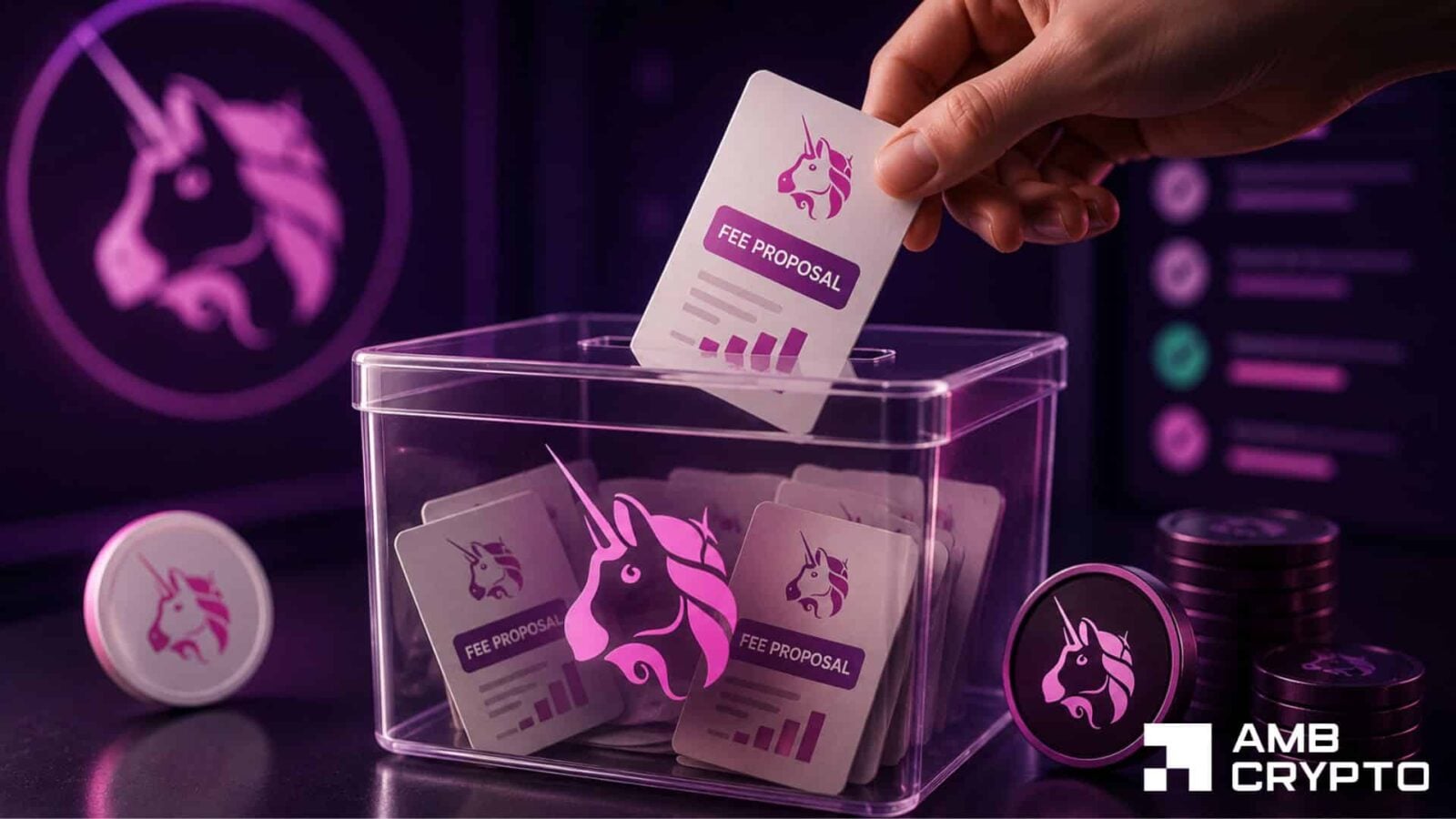
Uniswap, the decentralized finance (DeFi) ecosystem’s undisputed leader in trading volume, has initiated a pivotal move in its governance evolution. The protocol has officially submitted three comprehensive governance proposals aimed at activating protocol fees across a broad spectrum of its decentralized exchange (DEX) versions and supported blockchain networks. This strategic pivot, designed to bolster the project’s long-term sustainability, has ignited a fierce debate within the crypto community, pitting the desire for protocol profitability against the interests of liquidity providers (LPs).
Main Facts: The Scope of the Fee Activation
The proposed fee structure is not a blanket implementation but a tiered approach targeting specific versions of the Uniswap protocol. The first primary proposal focuses on Uniswap V2 and V3 on the recently launched Robinhood chain. The Robinhood chain, which debuted earlier this month, has already proven to be a high-growth environment for Uniswap, with the DEX surpassing $1 billion in trading volume within just ten days of deployment.
The second and third proposals target the V4 iterations of the protocol. The current submission covers V4 on major Ethereum-based and cross-chain networks, including Ethereum mainnet, Base, Arbitrum, Robinhood, BNB Chain, Polygon, and Optimism. Uniswap CEO Hayden Adams has indicated that a third proposal covering the remaining V4-compatible chains is currently in development and will be submitted to the governance forum in the near future.
The core intent of these proposals is to divert a portion of swap fees—traditionally reserved for liquidity providers—directly into the protocol’s coffers. These funds will subsequently be directed into the existing UNI token burn mechanism. According to Adams, the influx of revenue, particularly from the high-activity Robinhood chain, is expected to have a substantial impact on the total supply of UNI, effectively tightening the token’s circulation.
A Chronology of Governance and Growth
To understand the gravity of these proposals, one must look at the historical trajectory of Uniswap’s governance. Since its inception, Uniswap has operated as a community-governed entity where the majority of trading fees are distributed to liquidity providers as an incentive for their capital contributions.
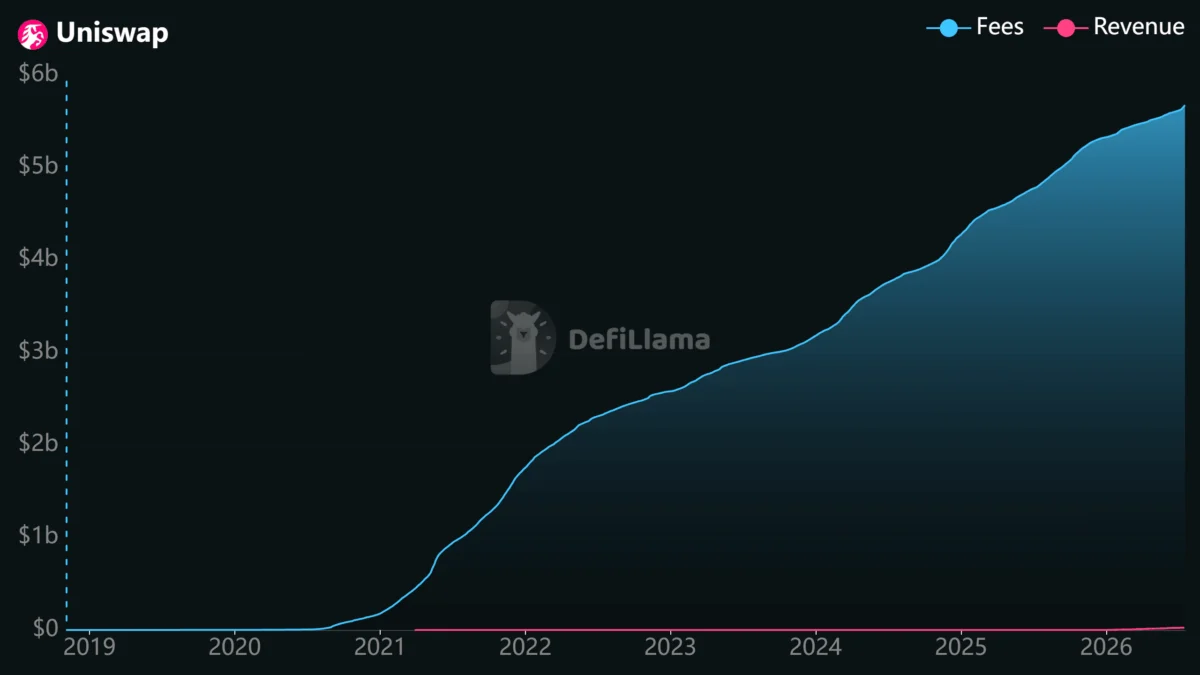
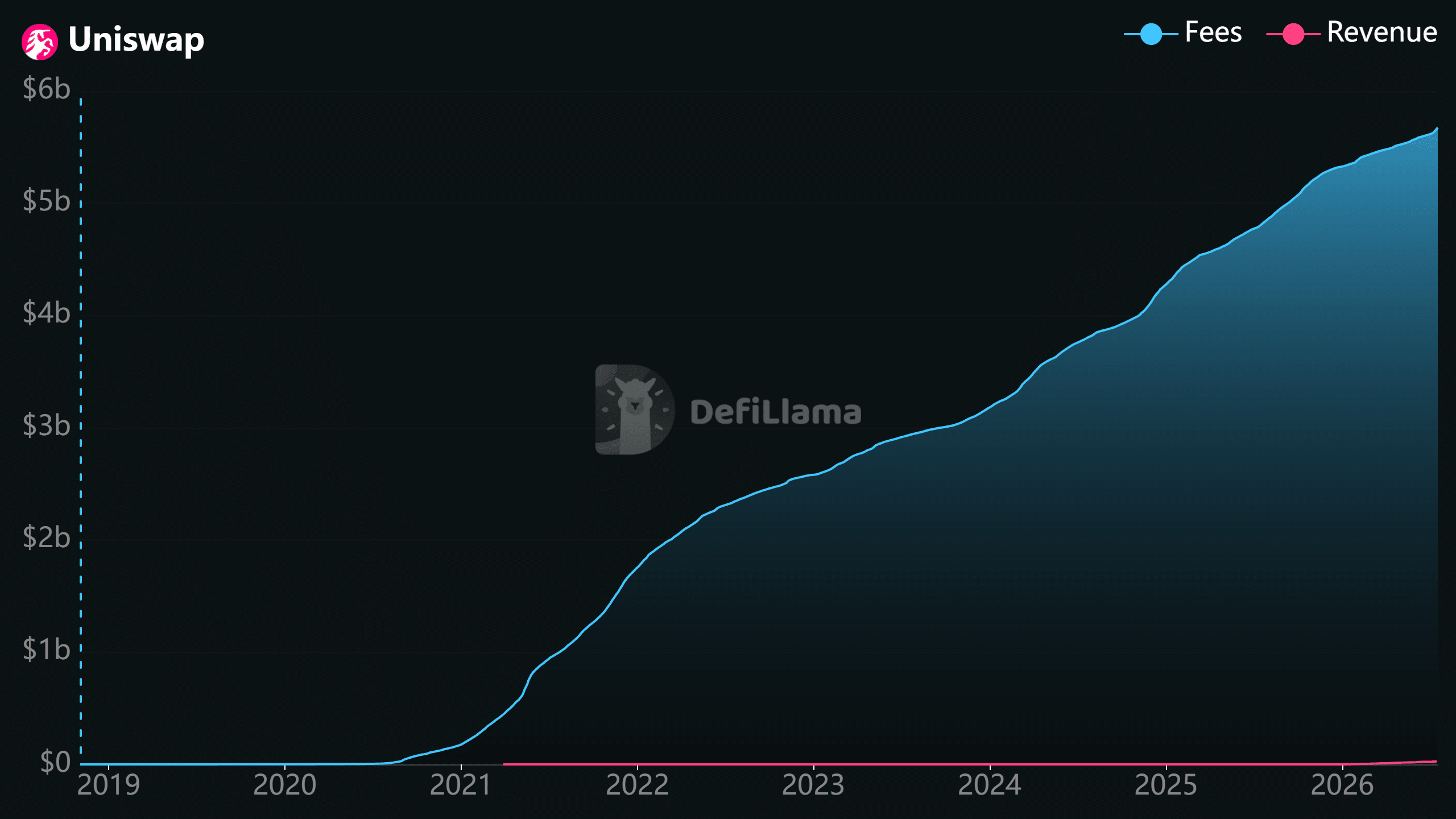
- The Early Years (2018–2022): Uniswap solidified its dominance as an Automated Market Maker (AMM). During this phase, the primary focus was on liquidity depth and user acquisition. LPs were the primary beneficiaries of the protocol’s growth, earning over $5 billion in cumulative fees.
- The Shift to Protocol Revenue (2023–2024): As the protocol matured, discussions regarding "protocol sustainability" began to emerge. The realization that the protocol had generated only $25 million in cumulative revenue—a stark contrast to the billions earned by LPs—prompted governance debates on how to capture value for the UNI token holder.
- The Robinhood Integration (July 2026): The launch of the Robinhood chain marked a turning point. Uniswap’s rapid adoption on this new L2 demonstrated the protocol’s ability to scale across new environments. The subsequent announcement of fee activations is the direct result of this newfound momentum.
- Current Status: As of July 2026, the community is currently in the active voting and deliberation phase regarding the three submitted proposals, with stakeholders weighing the potential for price appreciation against the risk of losing liquidity depth.
Supporting Data: The Economics of the Burn
The financial data underpinning the proposal provides a compelling case for those in favor of the fee activation. The project has already burned a total of 107.49 million UNI tokens. The impact of the recent surge in activity is evident in the burn rate, which has increased threefold in the past week alone, jumping from $51,000 to over $160,000.
The contrast between the revenue generated by liquidity providers and the protocol itself is the primary driver for these changes. While the $5 billion paid to LPs represents a massive success in decentralizing market making, proponents of the fee activation argue that the protocol requires a more robust revenue stream to fund future development, security audits, and decentralized governance initiatives. By implementing a percentage-based fee on swaps, the protocol hopes to transition from a "liquidity-first" model to a "balanced ecosystem" model, where both contributors and the protocol benefit from high-volume environments.
Official Responses and Stakeholder Dissent
The proposal has not been met with unanimous approval. While Hayden Adams and other core proponents emphasize the long-term benefit of the UNI burn mechanism, members of the liquidity provider community have expressed significant concern.
Gamma Strategies, a prominent liquidity management protocol, has emerged as a vocal opponent of the V4 fee proposals. Their argument is grounded in the realities of market competition. According to Gamma, the V4 iteration of Uniswap is still finding its footing and has not yet surpassed V3 in terms of daily volume.
In a statement submitted to the governance forum, a representative for Gamma noted:
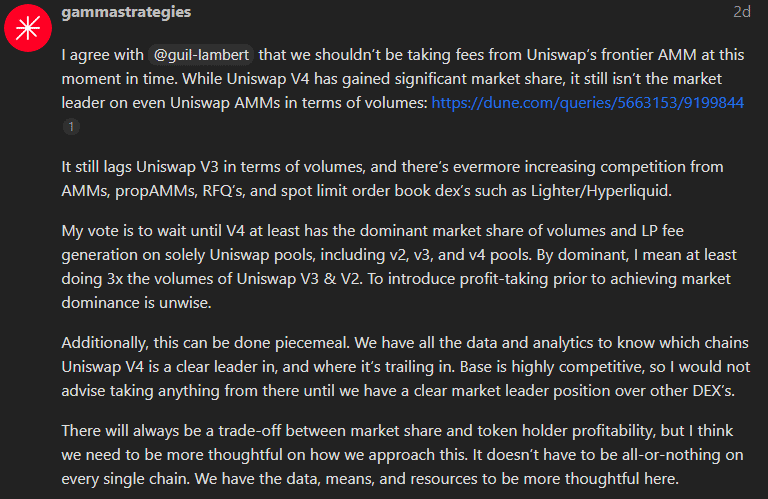
"V4 still lags behind V3 in terms of volume. By imposing additional protocol fees at this stage, Uniswap risks alienating liquidity providers who are already feeling the heat from increasing competition from alternative AMMs, RFQs, and order book-based DEXs like Lighter and Hyperliquid. We must ensure that the protocol remains competitive before we start extracting more value from the LPs that keep the markets liquid."
This dissent highlights the "chicken-and-egg" dilemma facing the DAO: should they focus on maximizing the competitiveness of their product, or should they move to capture value now to appease long-term token holders who are looking for a return on their investment?
Implications for the Future of UNI
The implications of these proposals extend beyond simple balance sheets; they represent a fundamental test of the decentralized governance model.
1. Market Sentiment and Price Action
The news of the Robinhood integration and the subsequent fee proposals have already influenced the price of UNI. The token surged 41% in July, climbing from $2.70 to $3.80. However, the momentum has since stalled as the market awaits a definitive outcome on the governance vote. The price is currently hovering below the 200-day moving average, suggesting that investors are in a "wait-and-see" pattern. Should the proposals pass, the market may interpret this as a long-term bullish signal for the token’s supply-demand dynamics. Conversely, a rejection could lead to a short-term correction.
2. The Competitive Landscape
If the fee activation is implemented successfully, it could set a precedent for other major DeFi protocols. However, if it leads to an exodus of liquidity from Uniswap to competing platforms, it could serve as a cautionary tale. The rise of "propAMMs" and spot limit order books signifies that the DEX landscape is no longer just about standard liquidity pools. Uniswap’s ability to remain the dominant force while implementing these fees will likely depend on its ability to offer superior capital efficiency, perhaps through the very V4 features that are currently under scrutiny.
3. Governance Maturity
Finally, these proposals reflect the maturity of the Uniswap DAO. Moving from simple protocol parameter changes to complex, cross-chain revenue models demonstrates that the community is capable of managing a sophisticated, multi-chain financial institution. The ability to reconcile the needs of liquidity providers—who provide the utility—and the needs of token holders—who provide the governance—will be the defining characteristic of Uniswap’s next phase of growth.
Conclusion: A Delicate Balancing Act
As Uniswap moves forward with these three governance proposals, the crypto industry is watching closely. The path toward a sustainable, revenue-generating DEX is fraught with challenges, primarily the need to maintain deep liquidity in an increasingly crowded market. If the protocol can successfully navigate the tension between fee collection and user retention, it will likely solidify its position as the premier decentralized exchange for the foreseeable future. However, the path to success will require not just a vote, but a careful calibration of how much value can be extracted before the ecosystem’s core strength—its liquidity—begins to fracture. Whether the current rally in UNI continues will depend on the community’s ability to find that delicate balance.
