

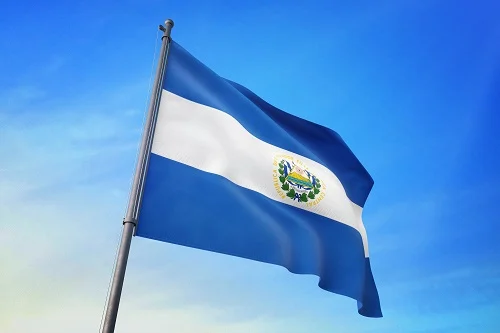
In a significant stride for the global cryptocurrency landscape, Binance—the world’s largest digital asset exchange by trading volume—has officially secured two critical regulatory licenses in El Salvador. This development marks a historic turning point for the Central American nation, which famously became the first country in the world to adopt Bitcoin as legal tender in 2021. With these approvals, Binance cements its position as the first fully-licensed crypto services provider in the country, setting a new benchmark for regulatory integration in the region.
The Core Developments: A Double Regulatory Victory
The announcement, confirmed on Tuesday, reveals that Binance has successfully obtained the Bitcoin Services Provider license (BSP) from the Central Reserve Bank (Banco Central de Reserva) and the non-provisional Digital Assets Services Provider license (DASP) from the National Commission of Digital Assets (Comisión Nacional de Activos Digitales).
The acquisition of the DASP license is particularly noteworthy. While other entities may have held provisional status, Binance is the first exchange to achieve full, non-provisional authorization. This distinction is not merely administrative; it represents a comprehensive validation of the exchange’s internal security, financial stability, and compliance protocols by Salvadoran authorities.
Chronology of El Salvador’s Crypto Journey
To understand the magnitude of this news, one must view it within the broader historical context of El Salvador’s "Bitcoin Law."
- September 2021: Under the leadership of President Nayib Bukele, El Salvador officially adopted Bitcoin as legal tender, mandating that businesses accept it as a payment method alongside the U.S. Dollar. The move was met with global skepticism from institutions like the IMF but sparked a wave of innovation in the region.
- January 2023: El Salvador passed a landmark Digital Assets Law, creating a robust regulatory framework to govern the issuance and trade of digital assets. This provided the legal roadmap for companies like Binance to formalize their operations within the country.
- June 2023: Binance faced heightened regulatory scrutiny globally, including a high-profile lawsuit from the U.S. Securities and Exchange Commission (SEC). Despite these headwinds, the exchange continued its aggressive pursuit of local compliance in emerging markets.
- August 8, 2023: Binance officially announced the receipt of its BSP and DASP licenses, marking the culmination of months of rigorous due diligence by Salvadoran regulators.
Supporting Data: Why El Salvador Matters
El Salvador’s experiment with Bitcoin has been a focal point for global macroeconomists. While the "Bitcoin City" project and the state-backed Chivo Wallet have seen varying levels of adoption, the entry of a global titan like Binance provides the necessary infrastructure to bridge the gap between retail users and sophisticated digital asset services.
According to recent industry data, the Latin American crypto market is one of the fastest-growing globally. By establishing a fully-licensed presence in El Salvador, Binance gains a strategic foothold in Central America. This is consistent with the exchange’s broader global strategy; Binance currently holds registrations or licenses in a diverse array of jurisdictions, including France, Italy, Spain, Sweden, and the Dubai Virtual Assets Regulatory Authority (VARA).
Official Responses and Strategic Vision
The leadership at Binance has framed this milestone as a testament to their commitment to regulatory collaboration.
"We are honored to be granted this license, as Binance continues to work collaboratively with regulatory agencies around the world to support global standards for the crypto and blockchain industry," stated Min Lin, Binance’s Head of Latin America.
Daniel Acosta, the General Manager for Colombia, Central America, and the Caribbean, underscored the practical implications of the move: "These licenses allow Binance to expand the products and services offered, including options tailored to the needs of our customers in El Salvador. It is also a great opportunity to collaborate closely with government authorities to support the adoption of crypto assets in the country, foster financial inclusion, innovation, and ensure customer protection."
CEO Changpeng Zhao (CZ) echoed these sentiments on X (formerly Twitter), stating, "#Binance is pleased to announce that it has become the first fully licensed crypto exchange in El Salvador. Let’s keep making crypto more accessible."
Implications: Regulatory Compliance vs. Global Expansion
The Salvadoran license acquisition arrives at a complex time for Binance. In the United States, the company remains embroiled in legal challenges that have forced it to re-evaluate its operational model. In Europe, the exchange has exited markets like the Netherlands and Cyprus, citing the need to focus on MiCA (Markets in Crypto-Assets) compliance within the European Union.
However, the "Salvadoran model" suggests that Binance is pivoting toward a strategy of deep-rooted local compliance. By satisfying the requirements of the National Commission of Digital Assets, Binance is demonstrating that it can meet the stringent "due diligence" standards required by sovereign regulators.
1. Financial Inclusion and Infrastructure
For the people of El Salvador, the entry of Binance could lead to increased liquidity and a broader range of financial products. With a fully regulated entity in the market, users can expect higher standards of customer protection and better integration between traditional banking and the crypto ecosystem.
2. A Blueprint for Other Nations
Other developing nations, particularly in Latin America and Southeast Asia, are closely watching El Salvador’s regulatory framework. If Binance’s operations in the country prove successful—resulting in increased foreign investment and stable adoption—other governments may look to emulate the Salvadoran Digital Assets Law to attract similar institutional investment.
3. Strengthening the "Crypto-Friendly" Brand
For Binance, the move is a powerful marketing tool. In an industry where trust is the primary currency, holding a government-issued license provides a layer of credibility that is essential for attracting institutional investors and retail users who are wary of unregulated platforms. It helps shift the narrative from "regulatory friction" to "regulatory partnership."
Looking Ahead: The Future of Crypto in Central America
The path forward for Binance in El Salvador will involve the rollout of localized services and, presumably, continued dialogue with the National Commission of Digital Assets. As the exchange integrates further into the local economy, the success of this venture will likely hinge on the actual utility provided to the Salvadoran public—specifically, whether the exchange can lower the cost of remittances and facilitate easier access to financial services for the unbanked.
The fact that the Central Reserve Bank and the National Commission of Digital Assets have vetted the exchange is a strong signal that El Salvador is serious about building a sustainable, regulated crypto economy. As the global regulatory environment continues to evolve, Binance’s move into El Salvador stands as a clear indicator that the future of digital assets will be shaped not by defiance, but by strategic, jurisdiction-by-jurisdiction compliance.
In summary, the acquisition of these licenses is more than just a business expansion for Binance; it is a validation of El Salvador’s ambitious vision to become a global hub for blockchain technology. Whether this leads to a broader trend of institutional adoption remains to be seen, but for now, the flag has been planted, and the regulatory groundwork has been laid.
