

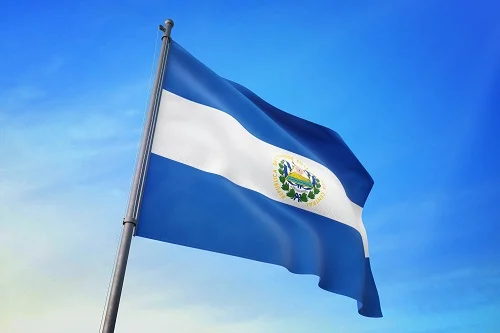
In a significant milestone for the global cryptocurrency landscape, Binance—the world’s largest digital asset exchange by trading volume—has officially secured two critical regulatory licenses in El Salvador. This achievement marks a pivotal moment for both the exchange and the Central American nation, which famously became the first country in the world to adopt Bitcoin as legal tender in 2021. By obtaining these authorizations, Binance has solidified its standing as the first fully-licensed crypto services provider in the country, signaling a new chapter of formal integration between major digital asset platforms and sovereign financial frameworks.
The Core Developments: A Double Regulatory Win
The authorization process for Binance involved two distinct, high-level regulatory bodies in El Salvador. The exchange was granted the Bitcoin Services Provider license (BSP) by the Central Reserve Bank (Banco Central de Reserva), alongside the Digital Assets Services Provider license (DASP) issued by the National Commission of Digital Assets (Comisión Nacional de Activos Digitales).
The acquisition of the DASP license is particularly noteworthy, as it distinguishes Binance as the first non-provisional crypto services provider to operate within the nation’s borders. This regulatory green light follows an extensive period of due diligence, during which Salvadoran authorities scrutinized Binance’s operational integrity, security protocols, and compliance frameworks.
Changpeng Zhao (CZ), the CEO of Binance, took to social media to celebrate the announcement, tweeting, “#Binance is pleased to announce that it has become the first fully licensed crypto exchange in El Salvador. Let’s keep making crypto more accessible.”
A Chronology of El Salvador’s Bitcoin Journey and Binance’s Integration
To understand the weight of this development, one must look at the timeline of El Salvador’s bold experiment with decentralized finance.
- September 2021: El Salvador makes global headlines by officially adopting Bitcoin as legal tender, an initiative spearheaded by President Nayib Bukele. This move mandated that businesses accept the cryptocurrency as payment, provided they possessed the necessary technology.
- 2022: Throughout the year, El Salvador navigates the volatility of the crypto market, continuing its aggressive push for financial inclusion through the use of the "Chivo" wallet and national Bitcoin investments.
- Early 2023: Regulatory frameworks in the country begin to mature. The National Commission of Digital Assets is established to oversee the burgeoning industry and provide a clear legal pathway for international service providers.
- August 8, 2023: Binance officially announces that it has been granted the BSP and DASP licenses, marking the culmination of months of collaborative efforts with local regulators.
This progression highlights a transition from the initial, experimental phase of Bitcoin adoption in El Salvador to a more structured, regulated environment designed to attract institutional-grade service providers.
Supporting Data: Binance’s Global Regulatory Footprint
While Binance has faced significant headwinds in Western markets—most notably a high-profile lawsuit from the U.S. Securities and Exchange Commission (SEC) in June 2023—its strategy of aggressive international expansion remains undeterred.
The El Salvador licensing is the latest in a string of regulatory successes for the exchange. Binance has successfully navigated the stringent regulatory environments of several major jurisdictions, including:
- Europe: France, Italy, Spain, and Sweden have all granted various forms of registration or licensing to the exchange.
- Middle East: Binance has secured operational approvals in Dubai, which has positioned itself as a global hub for virtual asset service providers (VASPs).
- Asia: The exchange has demonstrated resilience in the East, recently re-entering the Japanese market through the acquisition of Sakura Exchange BitCoin.
These successes serve as a counter-narrative to the difficulties Binance has faced in the United States, the Netherlands, and Canada. The exchange’s ability to secure approvals in diverse regulatory climates demonstrates a sophisticated approach to compliance, often tailoring its services to meet the specific legal requirements of each host nation.
Official Responses and Strategic Vision
The official statements from Binance leadership highlight the company’s commitment to long-term collaboration with government authorities.
Min Lin, Binance’s Head of Latin America, emphasized the global context of this achievement: “We are honored to be granted this license, as Binance continues to work collaboratively with regulatory agencies around the world to support global standards for the crypto and blockchain industry.”
Daniel Acosta, the General Manager for Colombia, Central America, and the Caribbean, provided insight into what this means for the average Salvadoran user. He noted that the licenses would allow the exchange to "expand the products and services offered, including options tailored to the needs of our customers in El Salvador." Beyond mere product expansion, Acosta pointed to the broader social goals of the partnership: "It is also a great opportunity to collaborate closely with government authorities to support the adoption of crypto assets in the country, foster financial inclusion, innovation, and ensure customer protection."
For El Salvador, having a global leader like Binance operating under a full license provides a layer of institutional legitimacy that the local market previously lacked. It offers a bridge between the traditional banking system and the crypto-native economy.
Implications: What This Means for the Future
The entry of a fully-licensed Binance into El Salvador carries several profound implications for the crypto industry and the nation’s economy:
1. Enhanced Consumer Protection and Legitimacy
By operating under the oversight of the Central Reserve Bank and the National Commission of Digital Assets, Binance provides Salvadoran users with a platform that adheres to local financial laws. This reduces the risks associated with unregulated, offshore exchanges and fosters a safer environment for digital asset trading, custody, and remittances.
2. A Blueprint for Other Nations
El Salvador’s regulatory framework for digital assets is now being tested by the presence of a global giant. If Binance’s operations in the country prove successful and stable, other nations currently considering their own crypto legislation may look to El Salvador’s model as a blueprint for balancing innovation with risk management.
3. Financial Inclusion and Remittance Optimization
One of the primary goals of El Salvador’s Bitcoin law was to lower the cost of remittances, which constitute a significant portion of the country’s GDP. Binance’s presence could facilitate cheaper and faster cross-border payments, potentially bypassing traditional banking intermediaries that often charge high fees for transferring money from abroad.
4. The "Regulatory Tug-of-War"
Despite this victory, Binance remains under immense scrutiny in other regions. The dichotomy of being pushed out of markets like the Netherlands while being welcomed as a licensed operator in El Salvador highlights the global fragmentation of crypto regulation. Binance is effectively betting that by establishing a strong foothold in emerging markets—where crypto is often seen as a solution to financial instability—it can secure its long-term future regardless of the outcomes in North American courts.
5. Innovation and Economic Diversification
With the legal framework now fully established, the local tech sector in El Salvador may see an influx of talent and investment. As Binance integrates more deeply with local infrastructure, it may incentivize the growth of a "Bitcoin-centric" economy, attracting startups, developers, and crypto-entrepreneurs to relocate to the country.
Conclusion
The granting of the BSP and DASP licenses to Binance by the Salvadoran government is a testament to the ongoing evolution of the cryptocurrency sector. It represents a shift away from the "wild west" era of crypto toward a more structured, institutionalized future.
For Binance, El Salvador is more than just another market; it is a strategic hub that validates its ongoing efforts to achieve global regulatory compliance. For El Salvador, the presence of a top-tier exchange is a crucial step in fulfilling the promise of the 2021 Bitcoin Law—creating a transparent, efficient, and inclusive financial system. As both parties move forward, the world will be watching closely to see if this partnership can truly bridge the gap between cutting-edge financial technology and the practical needs of a developing nation’s economy.
