

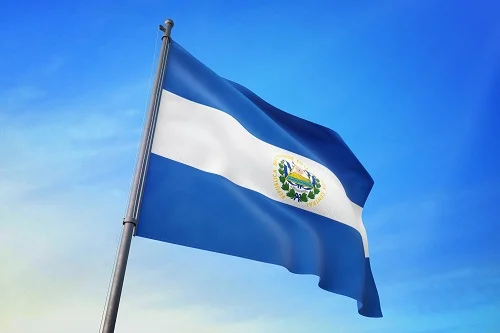
In a significant development for the global cryptocurrency landscape, Binance—the world’s largest digital asset exchange by trading volume—has officially become the first crypto service provider to secure a comprehensive, non-provisional license in El Salvador. This achievement marks a pivotal moment for both the exchange and the Central American nation, which famously became the first country in the world to adopt Bitcoin as legal tender in September 2021.
By obtaining the Bitcoin Services Provider (BSP) license and the Digital Assets Services Provider (DASP) license, Binance has solidified its commitment to operating within the framework of national oversight, signaling a strategic shift toward deepened regulatory integration in Latin America.
The Core Facts: A Regulatory Breakthrough
The regulatory approval, confirmed in August 2023, involves two distinct, high-level authorizations:
- The Bitcoin Services Provider (BSP) License: Granted by the Central Reserve Bank of El Salvador (Banco Central de Reserva), this license formalizes Binance’s ability to facilitate services specifically involving Bitcoin, the nation’s legal tender.
- The Digital Assets Services Provider (DASP) License: Issued by the National Commission of Digital Assets (Comisión Nacional de Activos Digitales), this is a critical regulatory milestone. It establishes Binance as the first non-provisional entity authorized to offer a wide array of digital asset services within the country.
These licenses are not merely procedural; they represent a rigorous due diligence process conducted by Salvadoran financial authorities. For Binance, the attainment of these credentials serves as a powerful testament to its ongoing efforts to align its operations with international and local regulatory standards, a priority that has taken center stage for the exchange over the past eighteen months.
Chronology: From Legal Tender to Market Integration
The journey to this announcement is rooted in the broader economic experiments pioneered by El Salvador under the leadership of President Nayib Bukele.
- September 2021: El Salvador makes history by passing the "Bitcoin Law," officially recognizing BTC as legal tender alongside the U.S. Dollar. This move aimed to reduce transaction costs for remittances and foster financial inclusion for the unbanked population.
- 2022–Early 2023: As the local crypto ecosystem matured, the Salvadoran government began drafting a robust legal framework to manage digital assets. This led to the creation of the National Commission of Digital Assets, tasked with overseeing the safety and compliance of crypto-related businesses.
- Mid-2023: Binance, already eyeing expansion into the Latin American market, engaged in extensive consultations with Salvadoran regulators. The exchange underwent a series of evaluations to ensure its operational protocols matched the country’s legal requirements.
- August 8, 2023: Binance officially announces that it has been granted the DASP and BSP licenses. CEO Changpeng Zhao (CZ) confirms the news on social media, emphasizing the company’s commitment to making crypto "more accessible."
Supporting Data: Binance’s Global Regulatory Footprint
While the news from El Salvador is a major win, it is part of a larger, complex global narrative for Binance. The exchange has been on a strategic drive to secure regulatory approvals across various jurisdictions to combat the perception of being a "rogue" entity.
As of the current landscape, Binance holds registrations or licenses in a diverse group of nations, including:
- Europe: France, Italy, Spain, and Sweden.
- Middle East: Dubai (VARA license).
- Asia: Japan (following its re-entry through the acquisition of Sakura Exchange BitCoin).
However, this growth has not been without friction. In June 2023, the U.S. Securities and Exchange Commission (SEC) filed a lawsuit against Binance, alleging the offering of unregistered securities and the mismanagement of customer funds—charges the exchange has vehemently contested. Furthermore, the company has exited several markets, such as the Netherlands and Canada, citing the difficulties of meeting local regulatory requirements.
El Salvador, therefore, acts as a critical anchor for Binance in the Western Hemisphere, providing a stable, pro-crypto environment where the company can test and deploy products in a legally secure sandbox.
Official Responses: Strategic Alignment
The acquisition of these licenses was met with positive messaging from both the exchange leadership and regional stakeholders.
Min Lin, Binance Head of Latin America, underscored the collaborative nature of the achievement:
"We are honored to be granted this license, as Binance continues to work collaboratively with regulatory agencies around the world to support global standards for the crypto and blockchain industry."
Daniel Acosta, General Manager for Colombia, Central America, and the Caribbean, emphasized the tangible benefits for local users:
"These licenses allow Binance to expand the products and services offered, including options tailored to the needs of our customers in El Salvador. It is also a great opportunity to collaborate closely with government authorities to support the adoption of crypto assets in the country, foster financial inclusion, innovation, and ensure customer protection."
These statements highlight a shift in Binance’s corporate strategy: rather than bypassing government oversight, the company is positioning itself as a partner in national financial infrastructure.
Implications: What This Means for El Salvador and the Industry
The licensing of Binance has far-reaching implications for the future of digital assets in Central America and the broader crypto market.
1. Enhanced Consumer Protection
By operating under a fully licensed framework, Binance is now subject to the oversight of the National Commission of Digital Assets. This provides a layer of security for Salvadoran citizens that unregulated platforms cannot guarantee. It mandates adherence to anti-money laundering (AML) and know-your-customer (KYC) protocols, which are essential for building long-term public trust in the digital economy.
2. A Blueprint for Other Nations
El Salvador is essentially acting as a laboratory for crypto-economics. The successful integration of a major global exchange into the national financial grid provides a blueprint for other emerging economies that are considering similar legislative paths. It proves that a "pro-crypto" stance does not necessarily mean "anti-regulation."
3. Strengthening the Local Crypto Ecosystem
With Binance now operating officially, local businesses, startups, and everyday consumers in El Salvador gain access to more sophisticated liquidity, better trading tools, and potentially lower fees. This infrastructure is vital for the "Bitcoin City" vision promoted by the Bukele administration, which seeks to turn the country into a hub for blockchain-based finance.
4. Binance’s Defensive Strategy
From the perspective of Binance, securing this license is a necessary defense against the mounting regulatory pressure in the West. By anchoring its operations in jurisdictions that have explicitly legalized and embraced crypto, Binance is diversifying its geographic risk. It demonstrates to its global user base that the company is capable of meeting high-level compliance standards, even as it navigates legal challenges in the United States and elsewhere.
Conclusion
The news from El Salvador marks a coming-of-age moment for the crypto industry. While the sector has historically been characterized by its desire for independence from traditional financial systems, the reality of global market participation requires a bridge to the regulated world.
By obtaining the DASP and BSP licenses, Binance has secured more than just a right to operate; it has secured a position of legitimacy in one of the most innovative legislative environments in the world. As the dust settles on this announcement, the focus will now shift to how these services are implemented on the ground and whether other, more hesitant nations will follow El Salvador’s lead in providing a clear, regulated path for the future of finance.
For the millions of users who rely on Binance, this development provides a measure of stability in a volatile market—a reminder that while the future of money may be digital, its integration into the global economy is becoming increasingly grounded in the rule of law.
