

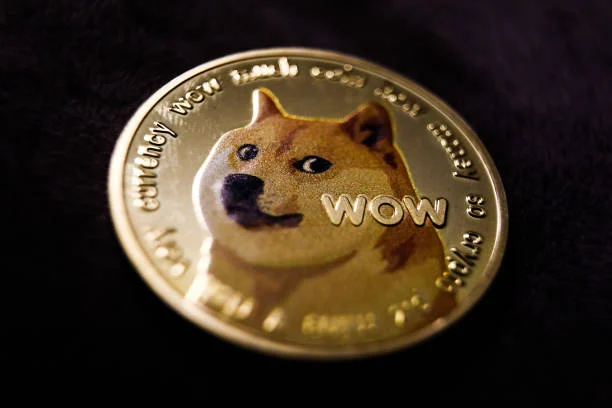
Dogecoin (DOGE), the world’s original meme coin, is currently navigating a period of profound technical stagnation. While the asset has successfully defended critical price floors on the charts, the underlying narrative is shifting. The explosive, retail-driven energy that historically characterizes Dogecoin’s most parabolic rallies has cooled, leaving the token in a state of quiet consolidation.
For market observers, the distinction between a "collapse" and "consolidation" is paramount. Dogecoin is not being abandoned by the broader market, but it is currently failing to serve as a bellwether for speculative risk appetite. As traders weigh the potential for a breakout, the conversation has shifted from pure price action to the fundamental necessity of retail volume and social sentiment.
Main Facts: The Anatomy of a Cooling Market
The current state of Dogecoin is defined by a paradox: it remains one of the most liquid and recognizable assets in the cryptocurrency space, yet it lacks the "fuel" to propel it to new heights.
- The Retail Dependency: Unlike Bitcoin or Ethereum, which derive value from institutional adoption, network security, and decentralized finance utility, Dogecoin functions primarily as a sentiment-driven asset. Its value proposition is tied inextricably to social media engagement, viral trends, and the risk appetite of the retail trading demographic.
- The Consolidation Phase: DOGE is currently holding onto key technical support levels. In market parlance, this indicates that while selling pressure is not overwhelming, buying conviction has hit a temporary ceiling.
- Market Sentiment: The cooling of retail interest suggests a broader shift in the crypto ecosystem. When retail traders are sidelined or cautious, Dogecoin typically retreats into a range-bound pattern, waiting for a catalyst to reignite interest.
Chronology: From Euphoria to "Watch Mode"
To understand where Dogecoin is headed, one must look at how it arrived at its current impasse.
Phase 1: The Retail Engine
For most of the last bull market cycle, Dogecoin served as the primary entry point for retail investors. Fueled by high-profile endorsements and massive social media movements, DOGE repeatedly defied bearish market trends. During these periods, volume was the defining characteristic; high turnover in the order books ensured that even minor corrections were quickly bought up.
Phase 2: The Shift in Risk Appetite
As the market moved into the middle of the current quarter, the "meme coin mania" began to diversify. The proliferation of newer, smaller meme assets on chains like Solana and Base fragmented the retail attention that once concentrated almost exclusively on Dogecoin.
Phase 3: The Current Stagnation
In recent weeks, the price action has flattened. Dogecoin has moved from being a market leader to a market follower. It is no longer setting the pace for the altcoin sector; instead, it is waiting for Bitcoin (BTC) to provide a macro signal. The current chronology is one of "waiting"—a phase that is testing the patience of holders who entered the market during the height of the most recent volatility.
Supporting Data: Why Volume Is the True North
In technical analysis, a price level without volume is merely a suggestion. For Dogecoin, the current defense of support is constructive, but analysts are increasingly wary of its lack of follow-through.
The Role of Liquidity
Dogecoin’s strength lies in its liquidity. It is listed on every major exchange and is highly accessible to the average investor. However, volume acts as the "confirmation" of price. High volume at support levels suggests that institutional and retail whales are "defending the range," building a solid base for a future move. Low volume, conversely, indicates that the market is simply drifting, leaving the asset vulnerable to a liquidity shock.
Correlation with Broader Sentiment
Data shows that when Dogecoin, Shiba Inu (SHIB), and PEPE are trending upward, it is a definitive sign of "Risk-On" sentiment. Traders are moving capital from stable, core assets into high-beta, speculative plays. The fact that DOGE is currently quiet suggests that the market is becoming increasingly selective. Investors are not yet in a "risk-off" panic, but they are clearly hesitant to commit to speculative assets without a clear, fundamental catalyst.
Official Perspectives and Expert Analysis
While there is no single "centralized" authority for Dogecoin, the community and industry analysts provide a consensus view on the current setup.
- The Bullish Argument: Proponents argue that Dogecoin’s brand recognition is a permanent moat. They contend that the moment Bitcoin clears its next major resistance level, retail capital will rotate back into familiar names. Because DOGE is the "king of memes," it is often the first beneficiary of a return in retail appetite.
- The Bearish Argument: Skeptics point to the rise of alternative meme coins and the fatigue of the current holder base. They suggest that if Dogecoin continues to consolidate without showing a clear breakout, traders will eventually abandon the asset in favor of tokens that provide faster, more consistent momentum.
- The Technical Stance: Most chartists agree that as long as the current support levels hold, the structural integrity of the token remains intact. However, they emphasize that a lack of volume for an extended period often leads to "fatigue," where the price eventually drifts downward due to a lack of interest rather than an increase in sell orders.
Implications for the Future
The current state of Dogecoin has significant implications for both the individual trader and the broader crypto market.
1. The "Wait and See" Effect
The primary implication is that the market is in a holding pattern. Investors are waiting for a macroeconomic trigger—such as shifts in interest rate expectations or major regulatory updates—to return to the market with conviction. Until then, Dogecoin will likely continue to range-trade, providing limited opportunities for short-term speculators.
2. The Rotation of Capital
If Dogecoin fails to capture the market’s attention, the implications for the meme-coin sector are profound. It would indicate that retail traders are no longer satisfied with legacy memes and are seeking "alpha" elsewhere. This shift could lead to a permanent change in how market cycles play out, with retail money becoming more transient and less loyal to the "OG" projects.
3. The Need for a Catalyst
For Dogecoin to reclaim its position as a market leader, it needs more than just a stable chart. It requires a fundamental shift in its narrative. Whether this comes in the form of increased adoption, new development milestones, or renewed social media virality, the "energy" must return.
Conclusion: The Path Forward
Dogecoin stands at a critical juncture. It has demonstrated resilience by holding its ground amidst a market that is becoming increasingly selective. However, the absence of retail participation is a glaring hole in the bull case.
The next few trading sessions—and perhaps the next few weeks—will be decisive. If volume returns to the books, the current consolidation will be remembered as the base for a major leg up. If the volume remains absent, the risk of a gradual decline increases. For now, Dogecoin remains in "watch mode." It is not broken, but it is certainly not leading. Traders should prioritize patience, keeping a close eye on volume spikes as the primary indicator that the retail "engine" has finally been restarted.
The market has not abandoned Dogecoin, but it has certainly hit the pause button. Whether that button leads to a restart or a shutdown depends entirely on the return of the crowd.
