

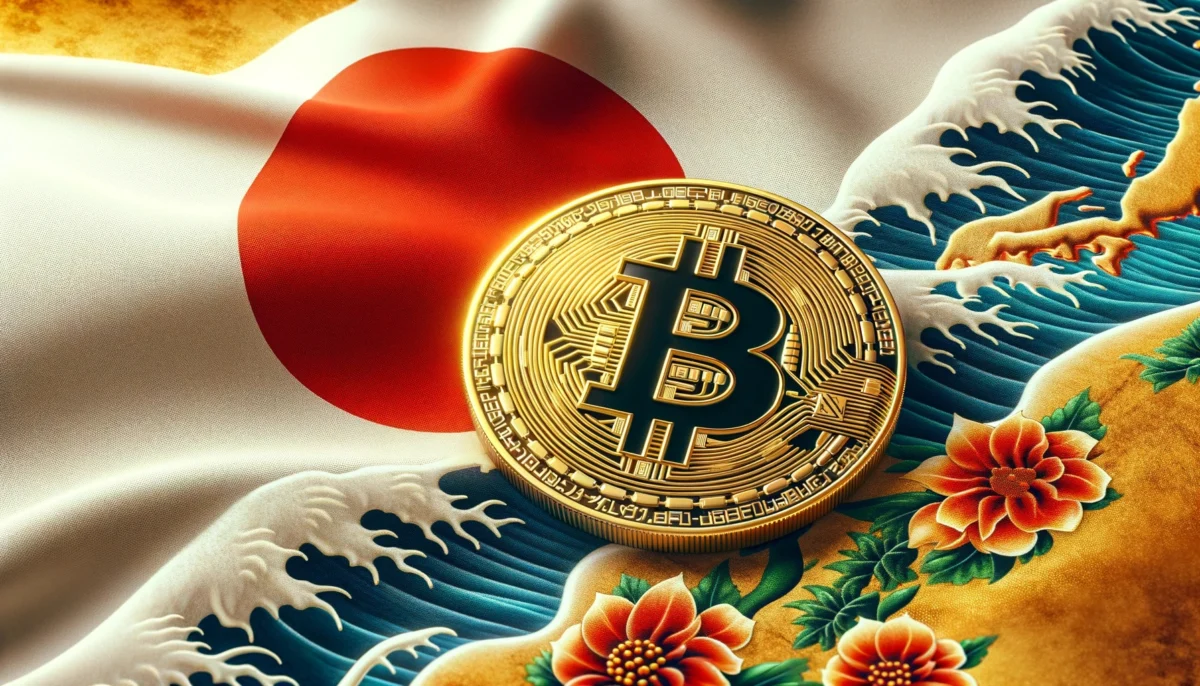
In a landmark shift for the global financial landscape, Japan’s "Big Three" banking groups—Mitsubishi UFJ Financial Group (MUFG), Sumitomo Mitsui Financial Group (SMFG), and Mizuho Financial Group—are collaborating on the development of a shared, yen-backed stablecoin framework. This initiative marks a definitive transition for one of the world’s most conservative and heavily regulated financial sectors, signaling that the era of institutional tokenized payments is moving from theoretical experimentation to practical, large-scale implementation.
By consolidating their efforts under a joint council, these institutions aim to establish a standardized, interoperable rail for yen-denominated digital settlements. This development is not merely an incremental update to legacy systems; it represents a strategic pivot by traditional banking giants to reclaim the narrative of digital money from crypto-native entities and prepare for a future where blockchain-based settlement is the industry standard.
Main Facts: The Architecture of Cooperation
The proposed stablecoin initiative is designed to move beyond the fragmented, competitive pilot programs that have characterized the early stages of blockchain banking. Rather than each institution building proprietary, siloed payment rails, the three megabanks are exploring a cohesive framework that emphasizes stability, regulatory compliance, and cross-institutional utility.
The Core Objectives
- Unified Standard: Establishing a common technical and legal standard for yen-backed stablecoins to ensure seamless movement between different financial institutions.
- Trust-Based Issuance: Leveraging Japan’s robust legal framework for trust banks, ensuring that every digital token is backed by actual yen deposits held in secure, licensed accounts.
- Commercial Focus: Moving away from the volatility of retail crypto-trading and focusing on the B2B sector, facilitating real-time corporate settlements and reducing the friction inherent in traditional interbank clearing.
While the project remains in the development phase, the collaborative nature of the effort underscores a realization among Japan’s financial leadership: the future of digital payments requires a network effect that only a unified, bank-led approach can provide.
Chronology: The Road to Tokenized Settlement
The movement toward this collaborative framework is the result of years of incremental progress within the Japanese financial ecosystem.
- 2021–2022: The Regulatory Foundation. Japan’s Financial Services Agency (FSA) began refining its stance on stablecoins, providing the world with one of the most comprehensive legal frameworks for digital assets. This clarity allowed banks to view tokenization as a viable business line rather than a regulatory gray area.
- 2023: Testing and Pilots. Individual banks, most notably MUFG with its Progmat platform, launched localized experiments. These pilots demonstrated the technical feasibility of tokenized deposits but highlighted the need for broader interoperability.
- Early 2024: The Call for Consolidation. Recognizing that a fragmented landscape would hinder mass adoption, the three megabanks began discussions regarding a joint council. The goal was to align on technical standards and operational governance.
- Current Status: The project is now in the design phase, focusing on the infrastructure required to scale. Stakeholders are aiming for a functional, commercial-grade rollout by the end of the 2026 fiscal year.
Supporting Data: Why Trust Matters in the Digital Age
The shift toward bank-issued stablecoins is predicated on the limitations of current market leaders like USDT and USDC, which, while highly liquid, operate outside the traditional banking perimeter. The Japanese approach is fundamentally different.
Comparative Advantages of a Bank-Led Model
- Reserve Transparency: Unlike some crypto-native issuers whose reserve audits have faced scrutiny, Japanese bank-led stablecoins will operate under the stringent oversight of the FSA. The "trust bank" model ensures that tokens represent a legal claim to yen, backed by high-quality liquid assets.
- Regulatory Compliance: By integrating Know-Your-Customer (KYC) and Anti-Money Laundering (AML) protocols directly into the token architecture, these stablecoins can satisfy corporate and institutional compliance requirements that are currently impossible to meet with permissionless tokens.
- Settlement Efficiency: Traditional interbank transfers in Japan often rely on legacy systems like the Zengin System. A blockchain-based stablecoin offers 24/7 settlement capabilities, removing the "weekend lag" and accelerating the velocity of capital for major corporate entities.
The market potential is significant. Japan’s corporate sector holds trillions of yen in cash reserves. Providing a frictionless, secure digital rail for these funds could unlock a new wave of efficiency in trade finance, cross-border payments, and supply chain logistics.
Official Responses and Regulatory Context
The Japanese government has played a proactive role in fostering this environment. By creating a legal category for "electronic payment instruments," the FSA has provided a clear roadmap for banks to issue tokens.
While official press releases from MUFG and SMFG remain cautious—emphasizing that the project is subject to ongoing regulatory review—the tone from the executive level is one of intent. Industry leaders in Japan have signaled that the status quo of manual, batch-processed banking is no longer sufficient to compete in an increasingly digital, globalized economy.
The collaboration is also a strategic hedge against the rise of Central Bank Digital Currencies (CBDCs). While the Bank of Japan continues its research into a potential digital yen, the private sector’s push for a bank-led stablecoin ensures that the financial industry remains at the center of innovation, regardless of whether the government launches a state-sponsored currency.
Implications: A Global Shift in Financial Infrastructure
The implications of Japan’s move extend far beyond its borders, offering a blueprint for how traditional finance can adapt to the "tokenized economy."
The "Regionalization" of Stablecoins
The global market is beginning to segment. Europe is leaning into the MiCA (Markets in Crypto-Assets) regulation to foster a structured environment for stablecoins. The United States remains caught in a legislative stalemate, resulting in a reliance on dollar-pegged tokens that exist in a regulatory "no man’s land." Japan, by contrast, is carving out a middle path: a highly regulated, bank-integrated system that bridges the gap between old-world finance and new-world technology.
The Death of the "Sideline" Strategy
For years, major financial institutions viewed blockchain and cryptocurrencies as speculative assets to be monitored from a distance. The Japanese project proves that this period of observation is over. By taking control of the infrastructure, these banks are signaling that they intend to define the parameters of the digital economy rather than be disrupted by it.
Strategic Significance for 2026 and Beyond
If the project reaches its 2026 target for commercial launch, it will represent a pivotal moment for global banking. The success of a unified yen stablecoin would likely serve as a proof-of-concept for other G7 nations. If Japanese corporations embrace this technology, the global trade finance sector may soon see a move toward "programmable money," where payments are automatically executed upon the fulfillment of contractual conditions—all without the need for manual reconciliation.
Challenges Ahead
Despite the clear vision, the project faces formidable hurdles:
- Operational Integration: Retrofitting legacy core banking systems to interface with blockchain rails is a massive technical undertaking.
- Adoption Rates: Convincing corporate clients to migrate from traditional systems to a new, tokenized format will require clear economic incentives, such as lower transaction costs or increased settlement speed.
- Cross-Border Compatibility: For this to be truly transformative, the Japanese stablecoin must eventually achieve interoperability with other regulated stablecoins in the U.S. and Europe, a task that involves navigating a complex web of disparate international financial laws.
Conclusion: The Future is Tokenized
The collaboration between Japan’s megabanks is a definitive sign that the financial infrastructure of the 21st century is currently under construction. By prioritizing trust, regulatory clarity, and institutional-grade security, Japan is positioning itself to be a leader in the next phase of the digital asset revolution.
The narrative of "crypto versus the banks" is being replaced by a more nuanced reality: the banks are adopting the technology of crypto to upgrade the foundations of global finance. As this project matures, it will likely serve as a critical case study for central banks and financial institutions worldwide, proving that with the right regulatory guardrails, tokenization can serve as a powerful tool for economic modernization. Japan’s largest banks are no longer just watching from the sidelines; they are actively building the rails upon which the future of yen-denominated trade will run.
