

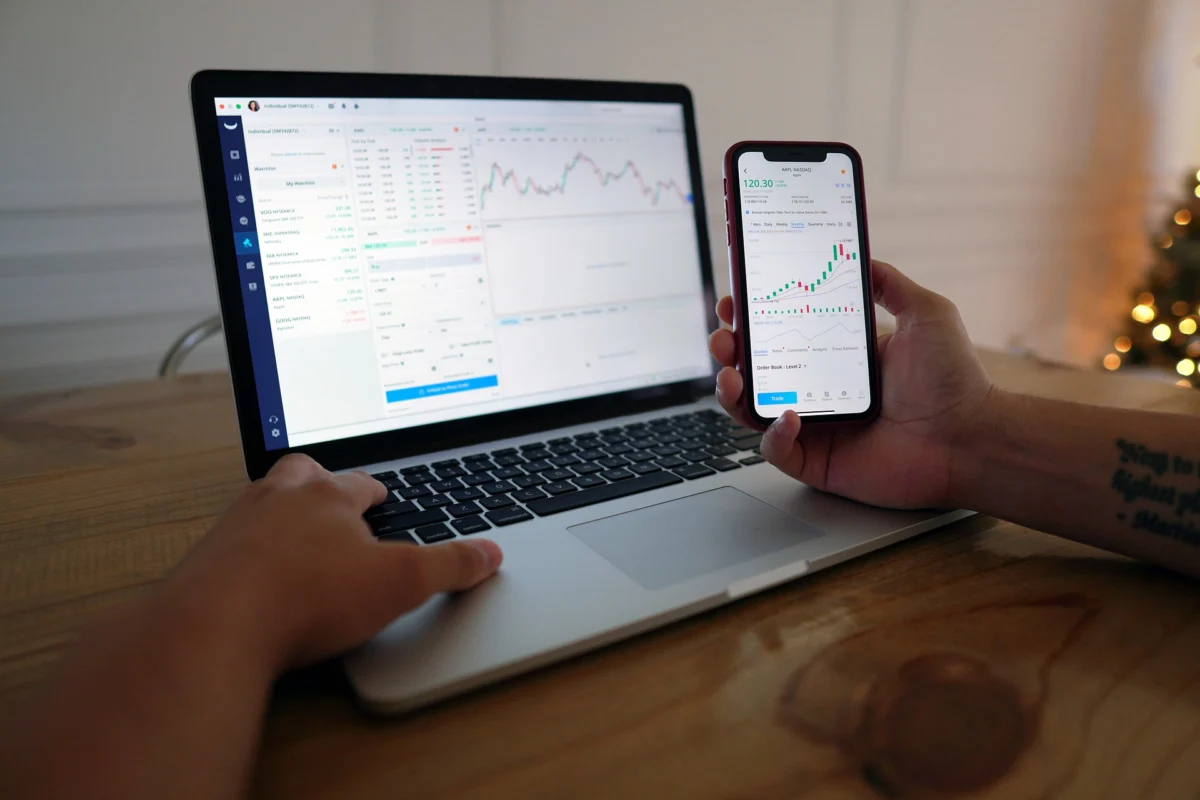
The cryptocurrency exchange sector is currently undergoing a quiet but profound structural transformation. In a move that signals a pivot toward incentivizing long-term platform loyalty over transient volume, Kraken has announced a significant overhaul of its Kraken Pro fee structure. While headlines often reduce such updates to mere percentage shifts, the reality is far more nuanced: these changes represent a strategic realignment designed to capture the attention of high-volume institutional and retail traders in an increasingly fragmented market.
For the casual observer, fee changes may seem like administrative housekeeping. However, for professional traders and market makers, these adjustments are the primary variables in their decision-making process. Capital flows toward the path of least resistance—where liquidity is deepest, slippage is lowest, and the cost of execution is optimized. By recalibrating its fee tiers, Kraken is not just adjusting its revenue model; it is actively competing for the order flow that dictates market sentiment and price discovery.
The Mechanics of the Update: A Shift Toward Loyalty
At its core, Kraken’s new fee structure introduces a more sophisticated approach to cost-efficiency. Historically, fee tiers were almost exclusively determined by a trader’s trailing 30-day volume. While volume remains a critical metric, the new update incorporates "holding thresholds," creating a hybrid loyalty mechanism.
This transition suggests that Kraken is moving away from a "mercenary" model—where traders jump between exchanges based solely on the cheapest trade—to a "community-centric" model. By rewarding users who maintain platform engagement and hold specific assets or stakes, Kraken is effectively locking in liquidity.
Understanding Maker and Taker Dynamics
To understand why this matters, one must look at the anatomy of an order book. "Makers" provide liquidity by placing limit orders that sit on the book, while "takers" remove liquidity by executing against those orders. Professional traders, particularly algorithmic firms and high-frequency shops, prioritize exchanges that offer "maker rebates" or low-cost maker fees.
Kraken’s decision to refine these tiers suggests a calculated effort to stabilize its order books. When an exchange manages to retain its market makers through loyalty-based fee structures, the depth of the market increases. This depth, in turn, attracts larger institutional participants who require substantial liquidity to enter or exit positions without causing significant price volatility.
Chronology: The Evolution of Exchange Competition
The current climate of the crypto market is defined by a "flight to quality." Following a period of intense regulatory scrutiny and the collapse of several major industry players in recent years, users have become significantly more selective about where they park their capital.
1. The Era of Fee Wars
In the mid-2010s, exchanges competed almost exclusively on marketing and asset availability. The "fee war" era followed, characterized by zero-fee trading promotions aimed at capturing market share from legacy financial institutions. However, zero-fee models proved difficult to sustain and often resulted in lower liquidity quality, as they attracted wash-trading and predatory bots.
2. The Professionalization Phase
As the market matured, the focus shifted toward "Pro" versions of platforms. Kraken, already a veteran in the space, positioned itself as the reliable, security-first alternative. The recent fee update is the logical next step in this evolution, moving from "security-first" to "execution-efficiency-first."
3. Current Strategic Realignment
Today, the industry is seeing a consolidation of order flow. Exchanges that fail to provide a seamless, low-cost, and liquid environment are finding it increasingly difficult to compete. Kraken’s announcement, while specific to its platform, serves as a bellwether for the broader industry’s attempt to institutionalize the retail trading experience.
Supporting Data: Why Liquidity is the New Currency
The importance of liquidity cannot be overstated. When a trader looks at an exchange, they are essentially performing a cost-benefit analysis of three factors:
- The Spread: The difference between the buy and sell price.
- Execution Speed: The latency between order placement and fulfillment.
- Total Cost of Ownership: The cumulative impact of maker/taker fees on annual ROI.
Data from recent market cycles indicate that liquidity is "selective." During periods of high volatility, liquidity often retreats to a handful of "tier-one" exchanges. Kraken’s strategy is a defensive and offensive maneuver to ensure it remains a primary destination for this liquidity. By layering holding thresholds into its fee schedule, the exchange is creating a "sticky" ecosystem where the cost of moving capital to a competitor outweighs the marginal savings of doing so.
Official Stance and Market Response
While Kraken has not released a granular breakdown of the specific behavioral patterns they expect to see, the official documentation on their platform emphasizes a commitment to "empowering the next generation of professional traders."
Market analysts observing the update have noted that this is a direct response to the "fragmentation of the order book." As more exchanges emerge globally, the challenge for platforms like Kraken is to maintain a unified, high-liquidity environment. The response from the institutional segment has been cautiously optimistic. For a firm trading millions in volume, a basis-point reduction in fees—compounded over thousands of transactions—represents a significant improvement to their bottom line.
Implications: The Broader Market Backdrop
The ripple effects of this update extend beyond the walls of Kraken.
1. The Regulatory Lens
Regulatory pressure remains the "elephant in the room." Exchanges that can prove they are building sustainable, loyalty-based models rather than high-frequency churn environments often find themselves in better standing with regulators. Loyalty mechanisms suggest a long-term commitment to users, which aligns more closely with traditional financial compliance expectations.
2. Market Participation and Asset Graduation
For newer assets, the availability of a liquid exchange is the difference between failure and growth. When an exchange creates an environment where professional traders are incentivized to hold and trade, that liquidity flows into the various assets listed on the platform. This helps assets "graduate" from speculative instruments into more mature, tradable financial products.
3. The "Noise" vs. "Signal" Distinction
In the fast-moving world of crypto, it is easy to overanalyze every press release. However, the signal here is clear: the industry is entering a phase of optimization. Projects and exchanges that focus on the "plumbing" of the market—improving execution, deepening liquidity, and refining fee structures—are the ones most likely to hold attention during the next market cycle.
Conclusion: A Development to Watch
Is Kraken’s fee overhaul a guaranteed turning point for the market? Certainly not. One update, no matter how well-structured, does not shift the global macroeconomic winds that currently dictate crypto prices. However, it is a significant data point.
For the individual reader, the takeaway is to avoid viewing this in isolation. Connect this update to the wider trends: the return of institutional interest, the hardening of regulatory frameworks, and the ongoing quest for deeper liquidity. As the market noise grows louder, the most useful signals will remain those that focus on the structural health of the infrastructure.
Kraken’s move to balance volume-based incentives with holding-based loyalty is a mature response to a maturing market. It is an acknowledgment that in the long run, the exchange that creates the most efficient home for professional capital will be the one that defines the next stage of the crypto economy. Whether this update successfully shifts the balance of order flow in the coming months will be the true test, but for now, it serves as a masterclass in how established players must iterate to remain at the forefront of the digital asset revolution.
For more information on the specifics of the new fee tiers, users are encouraged to consult the official documentation provided on the Kraken platform.
