

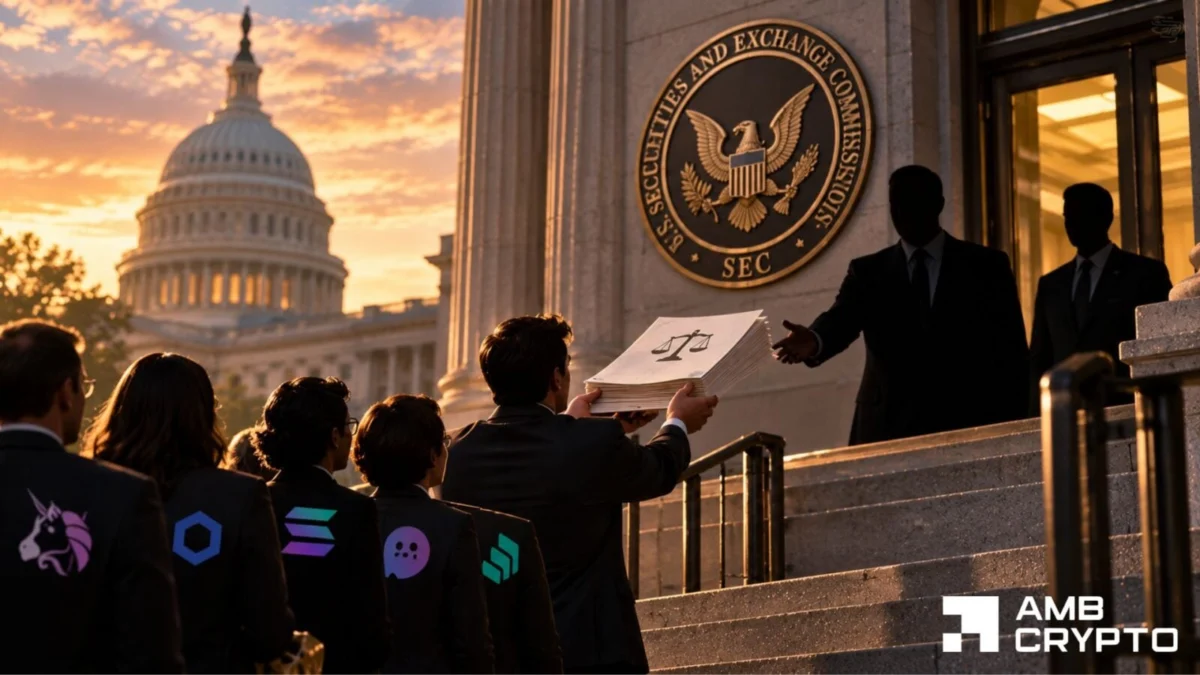
The digital asset industry is currently engaged in a high-stakes lobbying effort to redefine the boundaries of U.S. financial regulation. On September 22, Miles Jennings, General Counsel at the venture capital giant a16z Crypto, joined forces with the DeFi Education Fund to issue a formal request to the U.S. Securities and Exchange Commission (SEC). The coalition is seeking significant concessions within the SEC’s proposed "Innovation Exemption" framework, arguing that the current regulatory stance threatens to stifle the growth of decentralized finance (DeFi) by imposing legacy-era constraints on permissionless, automated systems.
This intervention marks a critical juncture in the ongoing friction between the SEC and the blockchain sector, particularly regarding how the regulator intends to treat non-custodial decentralized exchanges (DEXes) and the software developers who build them.
The Core Proposals: A Two-Pronged Strategy
The proposal submitted by a16z and the DeFi Education Fund outlines two distinct pathways for regulatory relief, targeting both fully decentralized protocols and traditional, intermediary-style crypto platforms.
1. Regulatory Safe Harbor for Non-Custodial Protocols
The primary objective of the proposal is to secure a definitive clarification on when developers of decentralized protocols fall outside the scope of the Exchange Act’s stringent registration requirements. The coalition argues that "truly permissionless systems"—those that operate without a central authority and do not hold user funds—should be categorically exempt from the burdensome requirements designed for centralized stock exchanges.
The proposal explicitly suggests that even if a platform facilitates the trading of assets that the SEC might classify as "tokenized securities," the protocol should be granted an exemption from exchange registration, provided the architecture remains strictly non-custodial. By removing the developer’s liability for the autonomous operation of the code, the industry hopes to provide the legal certainty required to foster continued innovation without the constant threat of enforcement actions.
2. Tailored Pathways for Crypto Trading Platforms (CTPs)
Recognizing that not all crypto platforms are decentralized, the second prong of the request focuses on Crypto Asset Trading Platforms (CTPs) that function as traditional intermediaries. These entities, which exert control over user funds and often act as centralized custodians, are being asked to operate under a different, more flexible approval pathway. This move reflects a pragmatic acknowledgement that centralized exchanges cannot operate under the same regulatory framework as decentralized software.
Chronology of the Regulatory Stand-off
The current push for clarity is the result of years of mounting tension between the crypto industry and federal regulators.
- 2023: The "CLARITY Act" (Clear Leverage and Regulatory Integrity for Transactional Yield) attempts to establish a comprehensive framework for digital assets. However, as the bill progresses, key developer protections are significantly watered down, leaving the industry vulnerable to interpretation by regulators.
- Early 2024: The SEC increases its focus on the DeFi sector, explicitly targeting major players in the space with Wells notices and potential enforcement actions.
- Mid-2024: The SEC formally proposes its "Innovation Exemption" framework, intended to provide a sandbox-like environment for testing new technologies. Industry stakeholders, including SIFMA (Securities Industry and Financial Markets Association), immediately critique the framework as insufficient.
- September 22, 2024: Miles Jennings of a16z and the DeFi Education Fund issue a formal letter to the SEC, demanding specific carve-outs for DEXes and their developers, citing the need to shield "passive software" from the Exchange Act.
Supporting Data and Precedents
To justify their request, the industry points to existing, albeit limited, relief provided by the Commodity Futures Trading Commission (CFTC). The CFTC has previously granted relief to "passive software" developers—such as those behind the Phantom wallet—to ensure they are not classified as "introducing brokers" under the Commodity Exchange Act.
However, the crypto industry argues that this CFTC relief is insufficient. Because the CFTC primarily governs derivatives and commodities, its jurisdiction does not extend to the vast majority of tokens that the SEC labels as securities. This creates a regulatory "no-man’s land" where a software developer might be safe under CFTC rules but remain in legal jeopardy under the SEC’s expansive definition of a security.
The motivation behind the a16z push is clear: the SEC’s 2024 enforcement trajectory, particularly against platforms like Uniswap, has sent a chilling effect through the venture capital community. If developers cannot be sure that their code won’t be treated as an illegal unregistered securities exchange, the flow of capital into the sector is expected to dry up.
Official Responses and Stakeholder Positions
The industry’s request has met with a mixed reception, highlighting a deep divide in how financial institutions view the future of market infrastructure.
The SEC’s Dilemma
The SEC faces a profound challenge: how to regulate the "tokenized stock" market without dismantling the decentralized ethos that makes DeFi attractive. If the Commission grants the requested exemptions, it could be seen as a retreat from its "regulation by enforcement" strategy. If it denies them, it risks driving innovation offshore to more crypto-friendly jurisdictions like the EU or UAE.
The SIFMA Stance
Traditional broker-dealers, represented by the Securities Industry and Financial Markets Association (SIFMA), have expressed skepticism regarding the a16z proposal. While SIFMA may support the second prong of the proposal—which creates a structured path for centralized crypto intermediaries—they are actively lobbying against the exemption for DEXes. Traditional finance giants argue that non-custodial exchanges pose systemic risks and lack the transparency, oversight, and anti-money laundering (AML) controls required of modern market participants.
The Broader Implications: A Future for DeFi?
The implications of this dialogue extend far beyond the immediate regulatory request. If the SEC adopts these concessions, it would effectively codify the legitimacy of decentralized software, potentially setting a global standard for how smart contracts are treated under law.
1. Developer Liability
The most significant impact would be on the legal status of developers. By clarifying that building and deploying code—even if that code facilitates trading—does not constitute running a securities exchange, the SEC would provide the legal safety net necessary for open-source development to flourish in the U.S.
2. The Institutionalization of DeFi
Conversely, the proposal for a specialized path for CTPs suggests that the industry is willing to "grow up." By accepting that centralized crypto platforms should operate under modified broker-dealer frameworks, the industry is signaling to institutional investors that it is ready to integrate with traditional finance, provided the rules are clear.
3. The "Tokenized Securities" Conflict
The greatest hurdle remains the definition of a security. As the SEC continues to treat tokenized assets as traditional securities, the conflict between decentralization and compliance will persist. If the SEC refuses to distinguish between a centralized intermediary and a smart contract, the industry may find itself in a protracted legal battle that will likely be settled in the courts rather than through the "Innovation Exemption" framework.
Conclusion
The letter from a16z and the DeFi Education Fund is more than a policy request; it is an ultimatum. The crypto industry is signaling that it can no longer operate under the ambiguity of current enforcement actions. Whether the SEC chooses to engage in a productive dialogue to integrate DeFi into the national financial framework or continues its adversarial posture will dictate the next decade of American technological leadership. As the industry awaits a formal response, the tension between the immutable nature of blockchain and the mutable nature of regulatory law remains the defining narrative of the digital asset era.
