

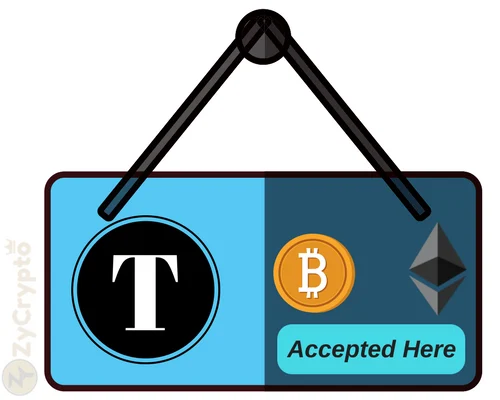
In an era where the traditional boundaries of finance are being rapidly reshaped by decentralized technology, even the most tactile, brick-and-mortar industries are beginning to embrace the digital frontier. Calgary-based Trademark Renovations Ltd., a multi-award-winning leader in luxury home contracting, has officially signaled its intent to bridge the gap between high-end construction and the burgeoning world of digital assets. By announcing the integration of Bitcoin (BTC) and Ethereum (ETH) as accepted payment methods, the firm is positioning itself at the vanguard of a movement that views blockchain not merely as a speculative asset, but as a practical tool for modern commerce.
The Main Facts: A Bold Strategic Pivot
Starting March 1, 2018, Trademark Renovations will offer its clients the option to settle payments for full home renovations, basement developments, and custom builds using two of the most prominent cryptocurrencies: Bitcoin and Ethereum. This decision marks a significant milestone for the Alberta construction sector, an industry historically rooted in traditional fiat transactions.
The move is not merely a marketing gimmick; it represents a fundamental shift in how the company approaches logistics and client relations. By bypassing traditional banking intermediaries for select transactions, Trademark Renovations aims to streamline the payment process, enhance security, and offer a level of flexibility that standard construction firms have yet to explore.
Chronology of Adoption
The decision to pivot toward cryptocurrency was not made in a vacuum. It follows a period of intense observation regarding the maturation of the blockchain ecosystem.
- Q4 2017: Trademark Renovations begins internal evaluations of the security, volatility, and regulatory landscape surrounding digital currencies.
- January 2018: The leadership team, under the guidance of owner Blair Foisy, confirms that the infrastructure—including digital wallet management and risk assessment protocols—is ready for deployment.
- February 2018: The official announcement is made, positioning the company as a local pioneer in the Calgary market.
- March 1, 2018: The firm officially opens its doors to crypto-settlements, allowing clients to utilize BTC and ETH for project invoicing.
This timeline reflects a deliberate, phased approach to adoption, prioritizing stability and security before offering the services to the public.
Supporting Data: The Case for Decentralized Payments
Why would a construction firm opt for a volatile asset class? According to the leadership at Trademark Renovations, the answer lies in the structural inefficiencies of fiat currency.
Mitigating Currency Volatility
One of the most compelling arguments for the adoption of crypto is the decoupling of project costs from fiat fluctuations. For a company that sources high-end materials globally, the constant oscillation between the USD and the CAD often introduces "hidden" inflation. By adopting Bitcoin and Ethereum, the firm believes it can establish a more consistent pricing model for its clients. Once mainstream adoption hits a critical mass, the reliance on traditional exchange rates may diminish, shielding both the contractor and the homeowner from the volatility of government-issued currencies.
Eliminating Third-Party Markups
The construction industry is notoriously plagued by intermediary costs. The peer-to-peer nature of blockchain allows for a direct transfer of value. By removing the "middleman" of traditional banking institutions, the firm can theoretically reduce the overhead costs associated with international payments and merchant fees. These savings can, in turn, be passed down to the consumer, making high-quality renovations more accessible.
Global Competitiveness
In a globalized economy, the ability to accept digital currencies allows businesses to attract a more diverse, tech-savvy clientele. Early adopters of this technology are effectively "future-proofing" their operations, ensuring that as digital wallets become as common as credit cards, their business infrastructure is already optimized to handle the shift.
Official Responses: The Philosophy of Blair Foisy
At the heart of this transition is Blair Foisy, whose leadership has defined Trademark Renovations as a forward-thinking entity. In his public statements, Foisy frames the adoption not just as a business maneuver, but as a moral imperative for innovation.
"I am excited to bring Bitcoin and Ethereum as new payment options to our customers," Foisy stated during the announcement. "We believe that blockchain technology and cryptocurrencies will become an important part of everyday transactions for consumers, and we are happy to be able to offer this new payment alternative for our services to the Calgary public."
Foisy’s perspective highlights a growing trend among corporate leaders: the belief that crypto is not a fleeting fad, but a legitimate evolution of money. "The decision to start accepting Bitcoin and Ethereum is also indicative that they, and other established cryptocurrencies, have now developed into more broadly accepted forms of settlement," he added.
His outlook remains optimistic, even when acknowledging the learning curve for the average consumer. "Cryptocurrencies are relatively new to some, but we at Trademark Renovations encourage the support of new technologies. I believe that the Blockchain and cryptocurrency revolution will positively affect all people and every industry, including ours."
Implications for the Construction Industry and Beyond
The decision by a local renovation firm to accept cryptocurrency sends a ripple effect through multiple sectors. It challenges the "old guard" of the construction industry to reconsider their payment infrastructure and highlights the broader shift in public sentiment toward decentralization.
The Normalization of Digital Assets
When firms like IBM, Kodak, and Trademark Renovations begin integrating blockchain, the legitimacy of the technology moves from the fringes of "hacker culture" to the boardrooms of established corporations. This normalization is essential for widespread adoption. It signals to the average consumer that digital assets are secure enough to pay for significant capital investments—such as a home remodel—rather than just small, experimental purchases.
Industry-Wide Efficiency
If the Trademark Renovations model proves successful, it could serve as a blueprint for the wider construction and home improvement industry. Standardized blockchain-based payment systems could eventually integrate with supply chain management, allowing for smart contracts that automatically release payments to subcontractors once project milestones are verified on the blockchain. This would drastically reduce payment disputes and improve project timelines.
Regulatory and Economic Challenges
Despite the optimism, the firm’s move also underscores the ongoing regulatory ambiguity. While Canada has been relatively open to blockchain innovation, the lack of a standardized global regulatory framework for crypto-payments means that firms must be exceptionally diligent. Trademark Renovations is essentially navigating a frontier, balancing the benefits of decentralization with the responsibilities of tax compliance and asset security.
Conclusion: Building for the Future
The move by Trademark Renovations Ltd. to accept Bitcoin and Ethereum is a profound statement on the trajectory of the modern economy. It highlights a shift where innovation is no longer confined to Silicon Valley tech firms but is being actively adopted by service-oriented businesses in cities like Calgary.
As the lines between physical goods and digital value continue to blur, the companies that thrive will be those that possess the agility to adapt to these shifts. Trademark Renovations has clearly positioned itself as a firm that builds not just for the present, but for a future where the blockchain is the foundation of every home. Whether this experiment leads to a wholesale industry transformation remains to be seen, but for now, the residents of Calgary have a unique opportunity to renovate their homes with the currency of the future.
In a world where change is the only constant, the ability to embrace decentralized finance—and the courage to lead the way—is perhaps the greatest renovation of all.
