

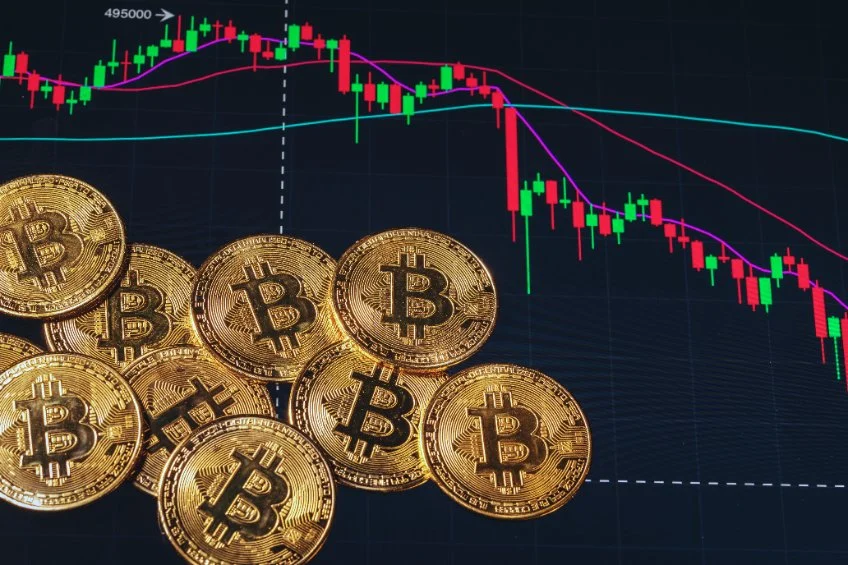
In the volatile theater of cryptocurrency, sentiment often acts as a runaway train, frequently uncoupling itself from the tracks of fundamental data. Over the past three weeks, the digital asset market has experienced a sudden, visceral injection of bullish energy. Bitcoin has surged by 20%, decisively shattering the $30,000 resistance level, while Ether has followed suit with a 16% rally, once again testing the $2,000 threshold.
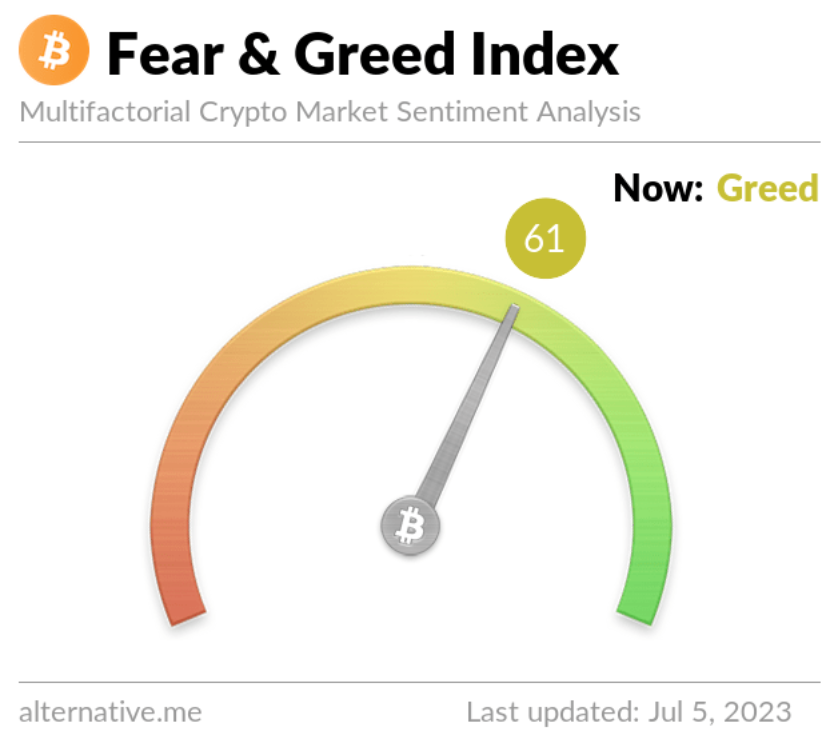
This resurgence, however, presents a profound paradox. While the "Fear and Greed" index has shifted firmly into the "Greed" territory—registering a score of 61—the underlying architecture of the market reveals a more sobering reality. From liquidity droughts to an increasingly hostile regulatory climate, the current rally appears to be built on anticipation rather than structural strength.
The Catalyst: The Institutional ETF Frenzy
The primary driver of the recent price action is the sudden pivot of traditional finance (TradFi) toward the crypto space. The catalyst was a series of filings for Bitcoin spot ETFs by financial behemoths BlackRock and Fidelity.
These filings are not merely administrative requests; they represent a potential "institutional seal of approval" that crypto proponents have chased for a decade. The optimism was further compounded by the launch of EDX Markets, a new digital asset exchange backed by a consortium of TradFi heavyweights including Fidelity, Schwab, and Citadel Securities. By offering a clean, regulated venue for trading Bitcoin, Ether, Litecoin, and Bitcoin Cash, EDX has provided a psychological boost to market participants, suggesting that the "institutionalization" of crypto is finally reaching a critical mass.
Chronology of a Regulatory Tug-of-War
The current market cycle is best understood through a timeline of high-stakes institutional maneuvers and regulatory pushback:
- June 2023: The market sentiment shifts dramatically following BlackRock’s application for a Bitcoin spot ETF.
- Late June 2023: The Securities and Exchange Commission (SEC) delivers a reality check, informing the Nasdaq and CBOE that the recent filings are "inadequate." The regulator cited a lack of detail regarding "surveillance-sharing agreements," a mandatory requirement to prevent market manipulation.
- Early July 2023: Despite the SEC’s critique, the CBOE refiles its applications, signaling a relentless determination to secure approval.
- Ongoing: Simultaneously, the SEC continues its aggressive enforcement actions, notably the formal lawsuits against industry giants Binance and Coinbase, alleging various securities violations and operational malfeasance.
Liquidity: The Silent Alarm
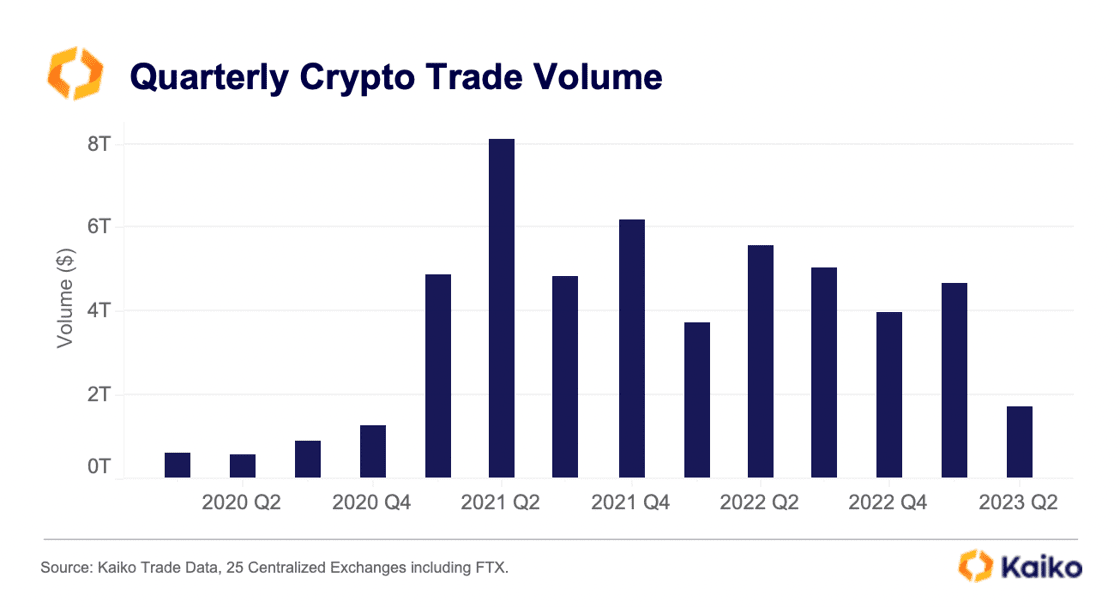
While investors cheer the price charts, the "plumbing" of the crypto market tells a more concerning story. Liquidity—the ease with which assets can be bought or sold without impacting price—is currently at its lowest level since 2020.
Data from Kaiko confirms that volume on centralized exchanges over the second quarter of 2023 reached historic lows. In a high-liquidity environment, price movements are tempered; in the current low-liquidity environment, the market becomes prone to erratic, violent swings. This explains, in part, why a 20% jump has occurred on the back of news that is technically still in the "pre-approval" phase.
Furthermore, the stablecoin ecosystem—often considered the "fuel" for crypto trading—is drying up. The total balance of stablecoins held across exchanges has plummeted by approximately 60% over the last six months, representing a capital outflow of roughly $26 billion. When the liquid assets required to purchase crypto are leaving the exchanges, the sustainability of a prolonged rally becomes questionable.
The Regulatory Labyrinth: Coinbase vs. Binance
The regulatory landscape is currently defined by a sharp divide between the "compliance-first" narrative and the "enforcement-heavy" reality.
The lawsuit against Binance was viewed by many analysts as an inevitable outcome of the exchange’s global, often opaque, operational model. However, the SEC’s case against Coinbase is arguably more significant for the industry’s future. Because Coinbase is a publicly traded company that the SEC allowed to IPO in 2021, the current allegations—that it is operating as an unregistered securities exchange—create a profound contradiction. If the SEC knowingly presided over an IPO for a company it believed was violating securities law, it raises existential questions about the legitimacy of current regulatory oversight.
Macroeconomic Headwinds and the Fed’s Path
The macroeconomic narrative remains equally precarious. Despite a recent "pause" in interest rate hikes by the Federal Reserve, the rhetoric from Chair Jerome Powell remains hawkish.
The market has misinterpreted this pause as a pivot. However, Powell’s guidance at the last Federal Open Market Committee (FOMC) meeting was unequivocal: the pause was a tactical decision to assess incoming data, not a shift in policy. Indeed, Fed futures indicate an 86% probability of a 25-basis-point hike in the coming weeks.
The historical lesson here is that monetary policy operates with a lag. We are living through one of the most aggressive tightening cycles in modern history, with rates climbing from near-zero to over 5%. Historically, the economic pain—the "lag effect"—tends to materialize after the tightening phase, not during it.
Implications for the Future
What does this mean for the average investor? The discrepancy between the current "Greed" sentiment and the underlying macroeconomic and regulatory reality suggests a market that is highly sensitive to the "ETF narrative."
- The ETF Approval Risk: Should the SEC reject the refiled ETF applications, the market will likely face a severe "re-pricing" event. The 20% rally is built on the expectation of approval; a denial would remove that floor.
- Regulatory Fragmentation: The industry is witnessing a clear bifurcation. Bitcoin is increasingly being treated as a unique asset, distinct from the thousands of "altcoins" that the SEC has labeled as unregistered securities. This could lead to a two-tier market where Bitcoin gains institutional favor while the broader altcoin ecosystem faces prolonged legal uncertainty.
- The Liquidity Trap: Without a return of stablecoin inflows and increased exchange volumes, the market remains fragile. Any sudden macro shock—such as an unexpected inflation print or a corporate default—could trigger a sharp deleveraging event due to the current lack of market depth.
Conclusion: A Fool’s Errand?
"Crypto is going to crypto." It is a common refrain in the industry, acknowledging that prices often move in defiance of logic. However, the current divergence between the excitement surrounding Bitcoin ETFs and the stark realities of liquidity, regulation, and macroeconomic tightening is unusually wide.
While the prospect of a spot ETF is a monumental step toward mainstream adoption, it is not a panacea for the cyclical and structural issues currently facing the industry. Investors should be wary of confusing short-term sentiment shifts with a fundamental change in the market’s trajectory. We remain in a period of high volatility, where the promise of tomorrow is being priced in today, despite the significant obstacles that remain on the road ahead. The path to a matured crypto market is not a straight line; it is a long, often painful, process of discovery that is far from complete.
