

In a landmark development for the decentralized finance (DeFi) ecosystem, Uniswap has officially launched its first permissioned liquidity pools. By leveraging the advanced architecture of Uniswap V4, the leading decentralized exchange (DEX) is bridging the gap between permissionless innovation and the stringent requirements of traditional financial institutions. This strategic shift, executed in collaboration with industry leaders Securitize, Superstate, and Dowgo, marks a significant milestone in the broader push to bring regulated assets—such as tokenized stocks, bonds, and exchange-traded funds (ETFs)—onto the blockchain.
The Convergence of DeFi and Traditional Finance
The integration of permissioned pools represents a fundamental evolution of the Uniswap protocol. Historically, Uniswap has operated as a strictly permissionless environment, where any user could interact with any pool without identity verification. However, as the global financial sector increasingly explores blockchain technology for asset settlement and trading, the limitations of purely anonymous infrastructure have become apparent.
Uniswap’s new permissioned pools utilize specialized “hooks” within the V4 framework. These hooks allow for sophisticated, custom logic to be applied to specific pools, enabling the restriction of swaps and liquidity provision to an allowlist of verified, compliant wallets. By automatically flagging and blocking sanctioned entities, Uniswap is effectively embedding a layer of institutional compliance into its decentralized infrastructure.
The Vision: Regulated Assets Onchain
Uniswap CEO Hayden Adams has positioned this initiative as an essential upgrade for the future of global trading. “The Uniswap protocol is infrastructure for all onchain trading,” Adams noted. “Some regulated tokens and use cases require permissioned trading. Uniswap V4 can now more easily support these use cases through this new hook.”
By creating a compliant pathway for real-world assets (RWA), Uniswap is positioning itself as the primary liquidity layer for the next generation of financial products. This move effectively acknowledges that for DeFi to scale into the trillions, it must provide the oversight mechanisms required by both regulators and traditional market participants.
A Chronology of the Tokenization Push
The path to this moment has been paved by years of regulatory debate and technological refinement.
- 2020–2022: The Rise of DeFi: Uniswap cemented its position as the market leader in automated market making (AMM), processing billions in daily volume without oversight.
- 2023: The RWA Narrative: As the crypto winter deepened, institutions began identifying tokenization as the most viable use case for blockchain, focusing on U.S. Treasuries and private credit.
- Early 2024: V4 Development: Uniswap developers began finalizing the V4 architecture, specifically focusing on "hooks"—custom smart contracts that run at specific points in a pool’s lifecycle.
- Mid-2025: Institutional Pressure: Traditional market operators, including firms like Citadel Securities, ramped up lobbying efforts, arguing that non-custodial platforms handling securities must adhere to the same disclosure and KYC/AML standards as centralized exchanges.
- July 2026: The Launch: Uniswap announces the deployment of permissioned pools, marking the first concrete integration of compliance-heavy, regulated asset trading within its core architecture.
Supporting Data: The $11 Trillion Opportunity
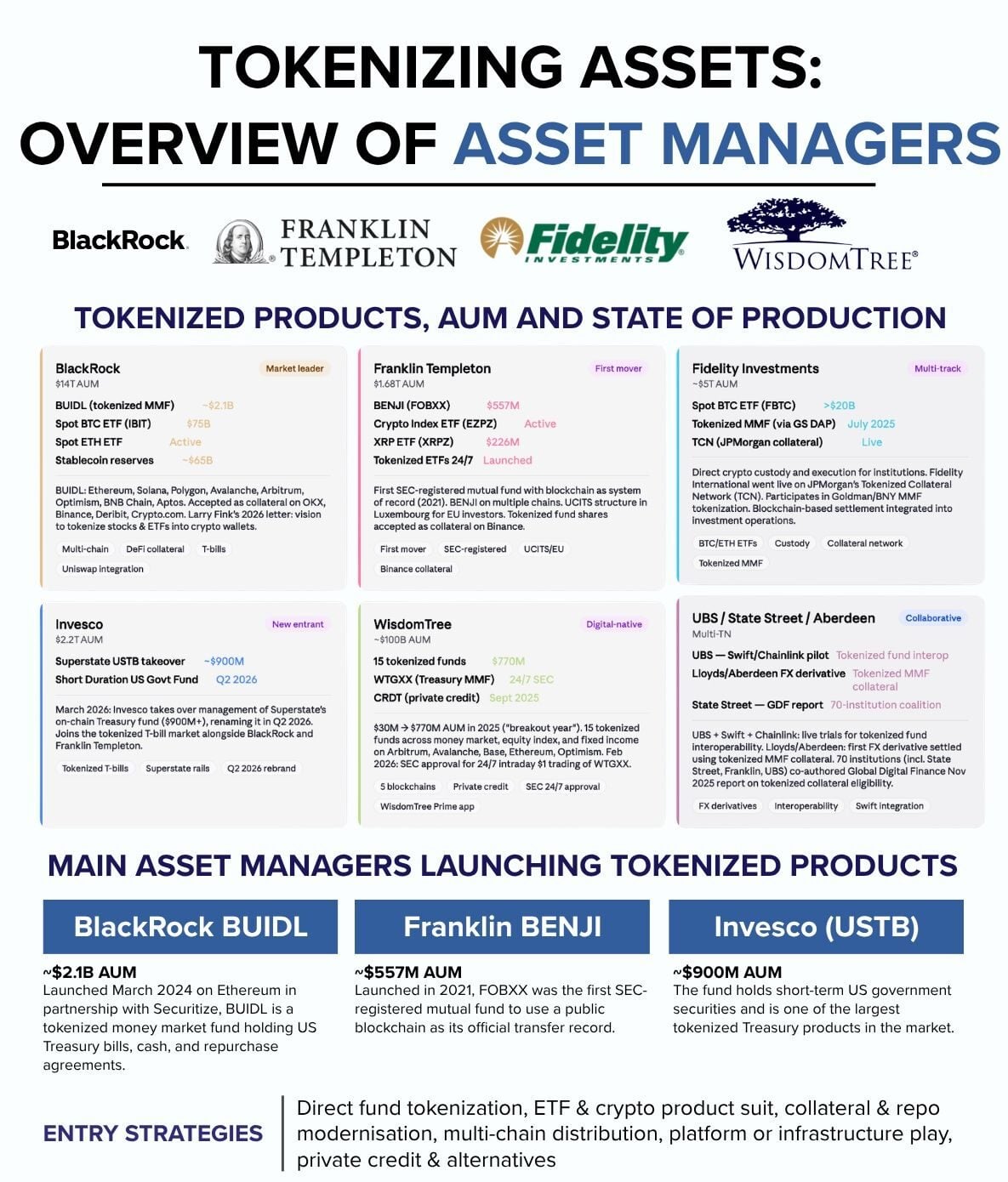
The market potential driving this pivot is staggering. Current estimates value the tokenized asset market at approximately $36 billion. However, institutional analysts project this figure to explode to $11 trillion within the next four years. This growth is fueled by the efficiency gains of blockchain settlement, which promises to reduce clearing times and overhead costs significantly.
Protocol Economics and Revenue
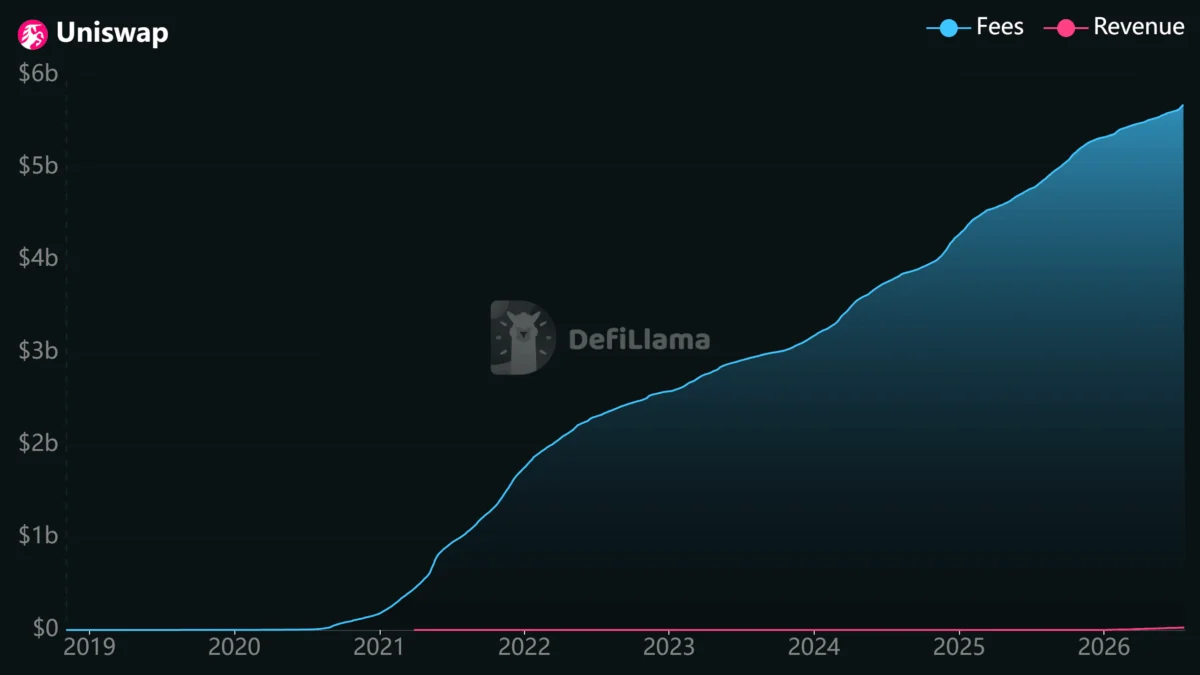
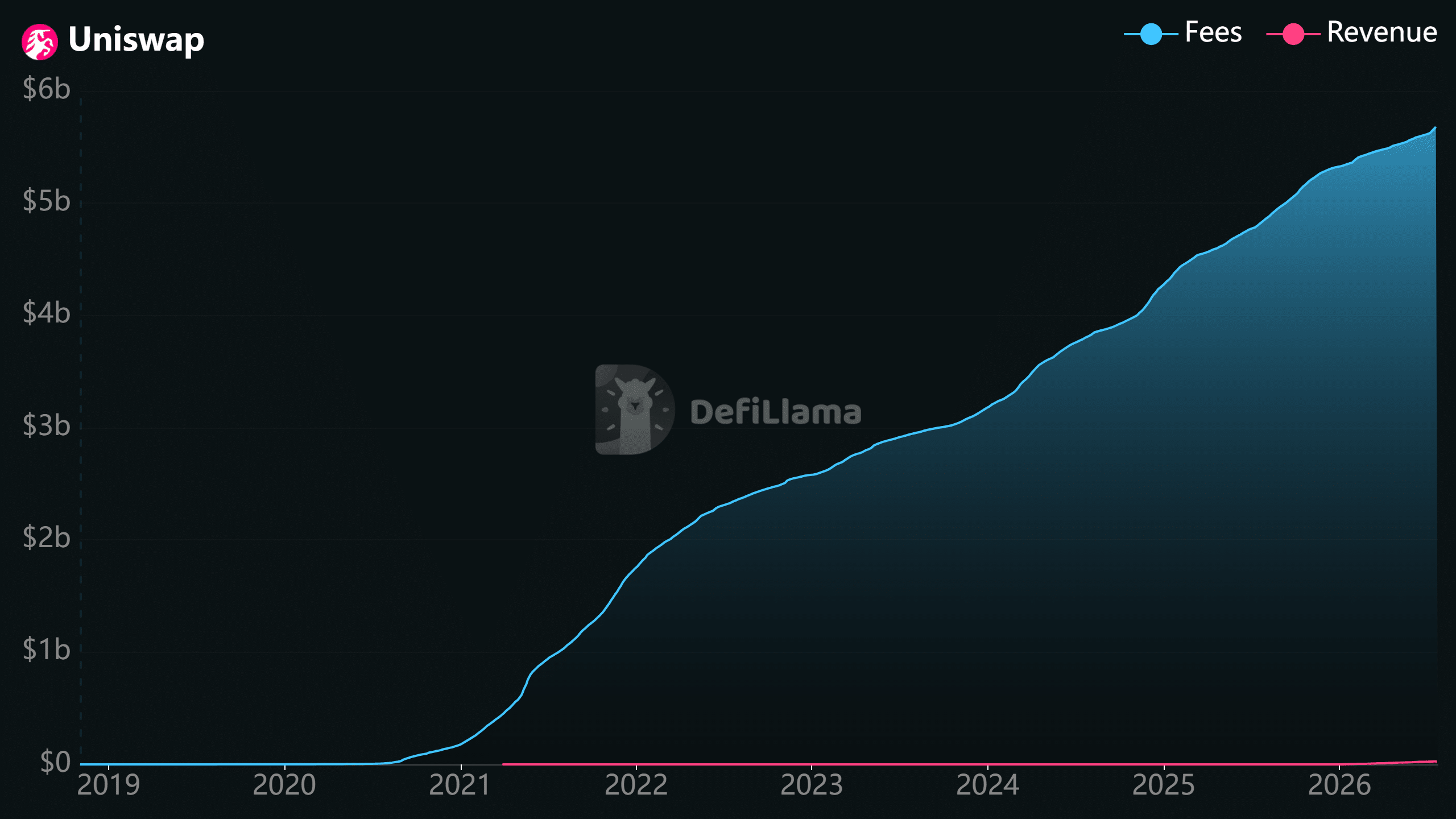
The economic impact of this transition on the Uniswap protocol is already being scrutinized by stakeholders. To date, the protocol has generated a cumulative $5.6 billion in fees. While the majority of this capital is distributed to liquidity providers, the protocol’s internal revenue—approximately $27 million—remains a focal point for long-term sustainability.
Furthermore, the protocol’s token-burning mechanism has gained momentum. In 2026 alone, between 6 and 8 million UNI tokens have been removed from circulation, averaging roughly 1 million tokens burned per month. By capturing a portion of the transaction volume from high-value tokenized securities, Uniswap expects to enhance its fee-accrual capabilities, potentially providing additional support for the UNI token ecosystem.
Official Responses and Regulatory Implications
The regulatory environment remains the single largest hurdle for the adoption of tokenized assets. The U.S. Securities and Exchange Commission (SEC) has maintained a “technology-neutral” stance, asserting that the underlying nature of an asset—not the platform it trades on—determines its regulatory requirements.
The Clash of Philosophies
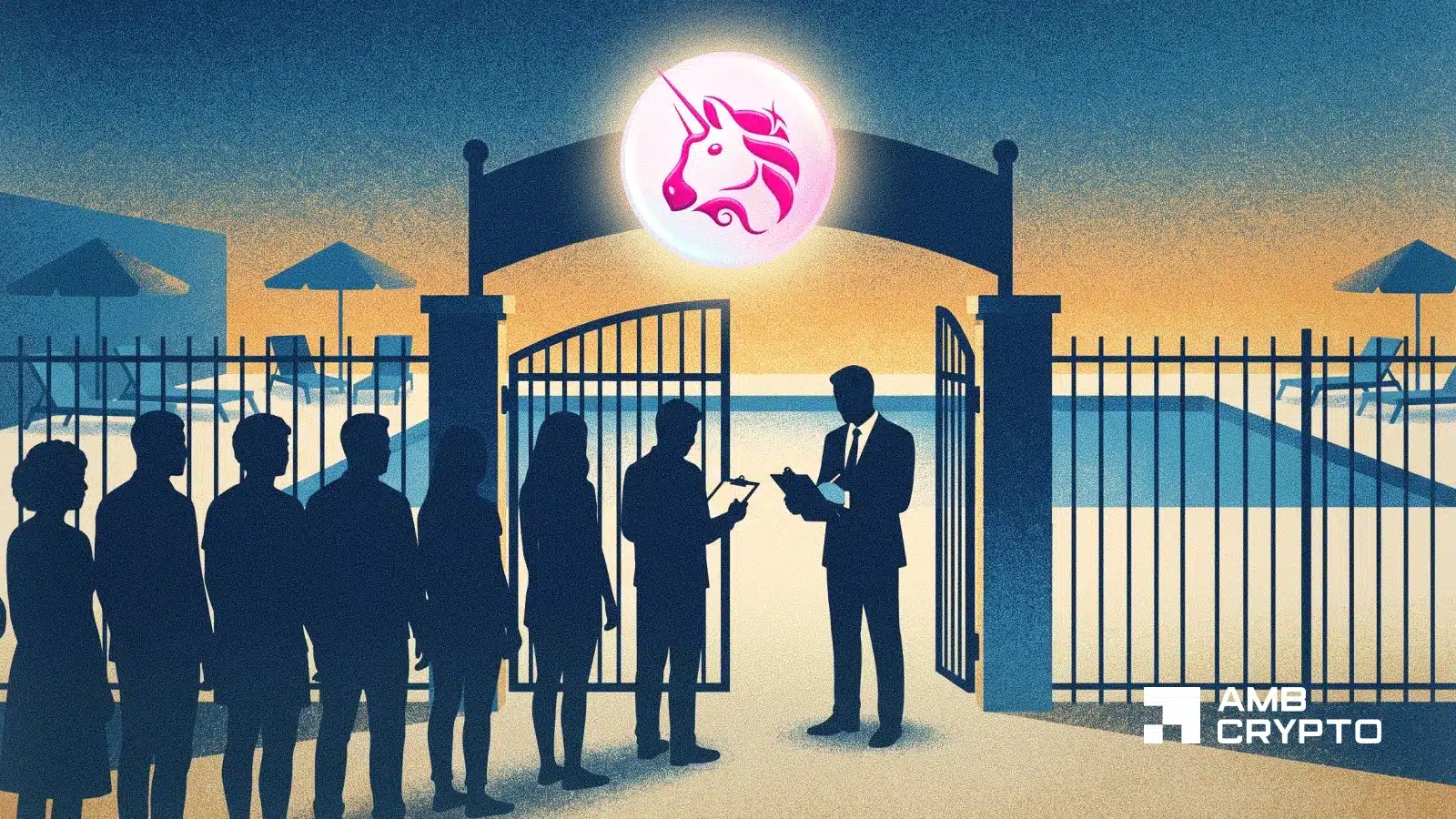
The move toward permissioned pools is not without its critics. Purists within the DeFi community argue that the introduction of allowlists and identity checks undermines the censorship-resistant ethos of decentralized finance. Conversely, traditional financial giants argue that without such features, the tokenization of stocks and ETFs would remain illegal in major jurisdictions.
By choosing a middle path, Uniswap is effectively betting that the demand for regulatory compliance will outweigh the desire for total anonymity in the professional trading sector. If this strategy succeeds, it could set a standard for how other DeFi protocols integrate with the "real world" without sacrificing the core advantages of blockchain-based settlement.
Implications for the Future of DeFi
The implications of this rollout extend far beyond Uniswap. First, it validates the "Hook" architecture of V4 as a versatile tool for complex financial products. Second, it creates a template for other DEXs to follow, potentially leading to a bifurcation in the market: permissionless pools for native crypto assets, and permissioned, KYC-compliant pools for tokenized securities.
Market Impact and Price Action
The news has had a tangible effect on the UNI token, which has experienced significant volatility and growth. Following a rally fueled by the protocol’s expansion onto the Robinhood Chain, UNI surged nearly 61% from its June lows. As of late July 2026, the asset is trading above its 200-day Moving Average (MA), signaling a shift in the long-term market structure to a bullish outlook.
Technical analysts are now looking toward the $4.17 resistance level—a peak reached in the second quarter. Should the momentum hold, an additional 12% upside is possible. However, the outlook is not without risk; a slide below the 200-day MA (currently at $3.60) could invalidate the current bullish setup, potentially triggering a pullback toward the 50-day MA at $3.30.
Conclusion: A New Era of Hybrid Finance
Uniswap’s foray into permissioned pools represents a sophisticated maturation of the DeFi sector. By integrating compliance directly into the protocol’s architecture, Uniswap is not merely adapting to regulation; it is actively shaping the infrastructure of the future financial system.
While the "centralization" of specific pools remains a point of contention, the potential to capture a slice of an $11 trillion market is an opportunity that few protocols can afford to ignore. As Uniswap continues to balance the needs of its decentralized base with the requirements of global financial institutions, the success of this initiative will likely serve as a litmus test for the viability of institutional-grade DeFi. For investors and developers alike, the coming months will be critical in determining whether this hybrid model can scale effectively and usher in the next great era of market innovation.
