

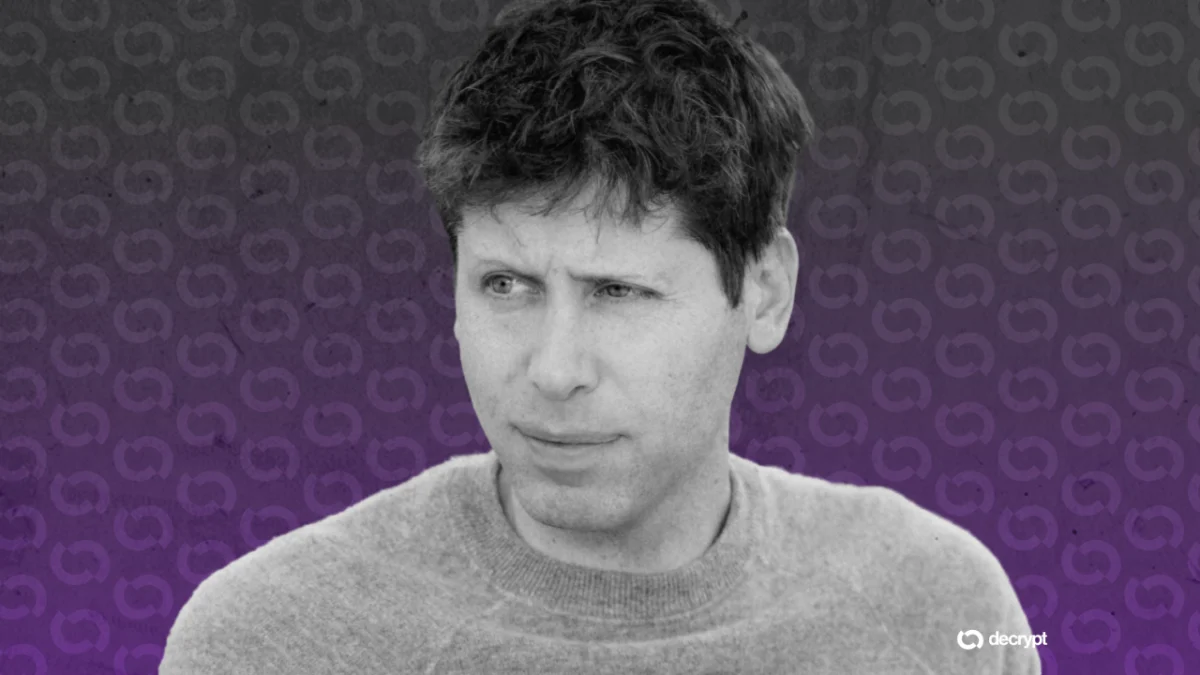
In a move that has sent shockwaves through both Hollywood and Silicon Valley, Amazon MGM Studios has abruptly shelved Artificial, the high-profile feature film chronicling the dramatic 2023 boardroom coup at OpenAI. Despite the project being nearly completed, the studio has made the rare decision to pull the film from its release calendar, effectively distancing itself from a project that promised to be the definitive cinematic account of the artificial intelligence revolution’s most volatile moment.
The decision, which was confirmed by Amazon to Puck late Thursday, marks a significant pivot for the studio. Instead of moving forward with the release, Amazon is now actively shopping the project to rival studios, hoping to find a new home for the controversial dramatization. The project, which boasted the directorial talents of Luca Guadagnino—the visionary behind Challengers and Call Me By Your Name—is now in a state of professional limbo, leaving industry observers to question the intersection of corporate politics, technological influence, and creative freedom.
The Chronology of a Corporate Implosion
To understand why Artificial has become radioactive, one must revisit the chaos of November 2023. The film serves as a dramatization of the "Five Days in November," a period that saw OpenAI CEO Sam Altman fired by the company’s board of directors, only to be reinstated days later following a massive employee revolt and intense pressure from investors, most notably Microsoft.
- The Pitch: When Amazon originally greenlit the project, it was viewed as the tech industry’s equivalent of The Social Network. With Simon Rich, a celebrated humorist and screenwriter, attached to the script, the film was intended to capture the lightning-in-a-bottle tension of the AI arms race.
- The Casting: The production secured A-list talent, casting Andrew Garfield to portray Sam Altman and Yura Borisov to play OpenAI co-founder Ilya Sutskever. The pedigree of the cast and the director suggested a project destined for the awards circuit.
- The Turning Point: According to reports, the project’s trajectory shifted as the script evolved. Insiders suggest that the tone of the film moved from a standard corporate drama to a much darker, more cynical exploration of power.
- The Screening: After viewing a cut of the film, Mike Hopkins, the executive overseeing Prime Video and Amazon MGM Studios, made the decisive call to halt production under the Amazon banner. The "darker tone" reportedly made the studio leadership uncomfortable, leading to the abrupt withdrawal.
Supporting Data: A Script of Contention
The core of the friction appears to be the film’s depiction of Sam Altman. Puck reports that early versions of Simon Rich’s script painted a far from flattering portrait of the OpenAI CEO. In the narrative, Altman is allegedly characterized as a power-hungry, manipulative figure.
One particular scene that has been singled out involves a dramatized interaction featuring computer scientist Geoffrey Hinton—often referred to as the "Godfather of AI"—who reportedly calls Altman "one of the most manipulative people on the planet." Such a portrayal, while perhaps narratively compelling, represents a significant departure from the carefully curated public image that Altman and OpenAI have spent years cultivating.
For Amazon, a company that has invested billions into the infrastructure supporting OpenAI and other AI ventures, the risk of alienating key industry partners may have outweighed the creative potential of the film. The financial stakes are staggering: Amazon recently made headlines for its deep-pocketed involvement in the AI space, and with the studio’s parent company being a major player in cloud computing and AI services, the prospect of releasing a film that attacks the character of one of the industry’s most influential CEOs presented a clear conflict of interest.
Official Responses and Studio Diplomacy
The fallout has been handled with the delicate, carefully worded language typical of high-stakes Hollywood maneuvering. Amazon has been quick to express its continued respect for Luca Guadagnino, emphasizing that the decision was not a reflection on his capabilities as a filmmaker.
"We have the utmost respect and admiration for Luca Guadagnino as an award-winning filmmaker—not to mention a longstanding relationship that we hope to continue," an Amazon spokesperson stated. "We believe that Artificial will be better served if it were released by a different studio and are working closely with the filmmaking team to find the film a new home."
This diplomatic messaging suggests that Amazon is eager to avoid a public feud with a top-tier director. However, the subtext is clear: the studio believes the project is too inflammatory for its current brand strategy. By framing the decision as an attempt to find the film a "better home," Amazon is attempting to mitigate potential backlash from the creative community while simultaneously washing its hands of a project that could complicate its business dealings.
The Implications: Where Corporate Interests Meet Creative Vision
The shelving of Artificial raises profound questions about the future of corporate-backed cinema. As major tech conglomerates like Amazon, Apple, and others continue to expand their footprint in the entertainment industry, the "neutrality" of their creative output is increasingly under scrutiny.
The Influence of Big Tech
The timing of this reversal is impossible to ignore. Amazon has recently poured massive capital into the AI ecosystem, including a reported $50 billion involvement in the broader OpenAI and AI-infrastructure space. When a studio is also a primary provider of the compute power that keeps the subject of its film in business, the line between "content creator" and "corporate stakeholder" blurs.
Furthermore, Sam Altman has navigated a complex political landscape, building significant influence within the Trump administration. Given that Amazon and its founder, Jeff Bezos, have also invested heavily in maintaining stable, productive relationships with the current political establishment, the film could be viewed as a liability in broader geopolitical and corporate chess games.
The "Social Network" Precedent
In 2010, The Social Network was released to massive critical and commercial success, despite Mark Zuckerberg’s public disapproval of his portrayal. At the time, the studio behind the film, Sony, was not in a direct business partnership with Meta (then Facebook). The landscape today is vastly different. The "tech-as-content" model has matured, and the barriers between the Silicon Valley power structures and the Hollywood studios that cover them have effectively evaporated.
What’s Next for ‘Artificial’?
The Creative Artists Agency (CAA) is currently in the process of shopping the film to other distributors. The big question remains: which studio has the appetite—and the independence—to pick up a project that explicitly challenges the status quo of the AI industry?
If the film is picked up by a smaller, independent studio, it may carry an "outsider" badge that could actually boost its marketing potential. If it struggles to find a home, it will serve as a stark reminder of the influence that powerful tech entities wield over the stories told about them.
For now, Artificial remains a ghost in the machine—a high-budget, high-talent production that serves as a case study for the modern era of media consolidation. As the industry watches to see if the film eventually reaches the screen, one thing is certain: the true story of the OpenAI boardroom coup may be less about the power struggle between board members and executives, and more about the power struggle between those who make the technology and those who control the platforms upon which it is depicted.
The project is a reminder that in an age where tech giants are the new studio heads, the narrative is rarely just a creative choice—it is a strategic one. Whether Artificial is eventually released or permanently buried, the story of its shelving has already become as compelling as the film itself.
