

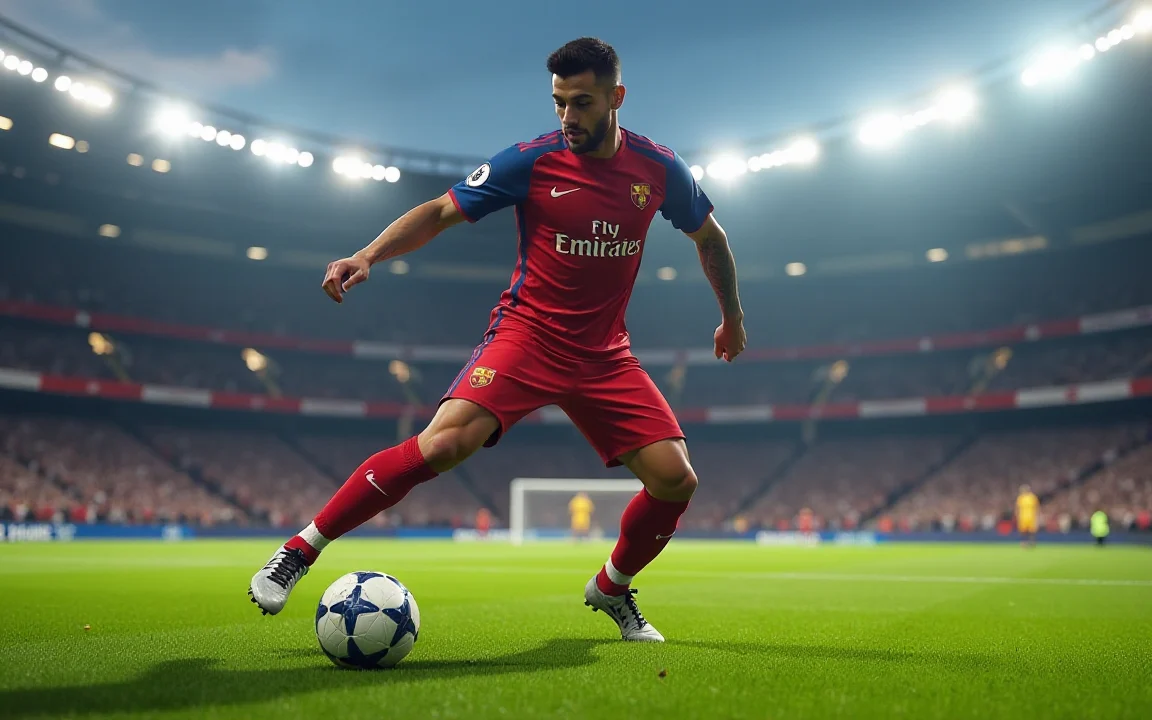
In a landmark move that signals a paradigm shift for global sports engagement, FIFA has announced a strategic collaboration with the Avalanche network and technology partner Modex to launch a dedicated Layer-1 blockchain. This bespoke infrastructure is designed to serve as the new home for "FIFA Collect," the organization’s digital collectibles marketplace, marking a significant evolution in how the world’s governing body of football interacts with its vast, global fanbase.
The migration, slated to commence following May 20, represents far more than a technical upgrade; it is a fundamental pivot toward an autonomous, scalable, and high-performance digital ecosystem. By moving to a dedicated Layer-1 chain, FIFA is positioning itself at the forefront of the Web3 sports revolution, ensuring that its digital assets—ranging from iconic tournament moments to exclusive player memorabilia—are backed by enterprise-grade security and speed.
The Genesis of a New Infrastructure
For years, the intersection of professional sports and blockchain technology has been characterized by tentative experiments and third-party partnerships. FIFA’s decision to move to a proprietary Layer-1 blockchain on Avalanche is a clear departure from that trend.
A Technical Partnership with Modex
At the core of this transition is Modex, a company specialized in blockchain infrastructure. Modex has been tasked with the architectural design and the technical execution of the migration. Their mandate extends beyond simple hosting; they are responsible for upgrading the entire FIFA Collect ecosystem to ensure that the user experience is frictionless.
For fans, the transition will be largely seamless. The familiar "Drops Page" interface, which has previously served as the primary gateway for acquiring FIFA-branded digital collectibles, will remain the focal point. However, the underlying engine—now running on a custom Avalanche subnet—will provide the necessary throughput to handle high-frequency transactions, such as massive digital asset drops during major tournaments, without the latency or exorbitant gas fees that have historically plagued public blockchain networks.
Why Avalanche?
The choice of Avalanche as the foundational layer is a testament to the network’s unique "Subnet" architecture. Avalanche allows for the creation of customized, interoperable blockchains that retain the security of the primary network while offering the flexibility to tailor rules, tokenomics, and performance parameters to specific use cases. For FIFA, this means a "football-first" blockchain that can be optimized specifically for NFTs, gaming assets, and tokenized fan experiences.
Chronology of FIFA’s Digital Evolution
To understand the magnitude of this shift, one must look back at FIFA’s iterative approach to digital innovation.
- 2022: The Qatar World Cup Trial: FIFA’s first major foray into the Web3 space occurred during the 2022 FIFA World Cup in Qatar. During this period, the organization experimented with several blockchain-based games and initial NFT drops. These initiatives served as a "proof of concept," demonstrating that football fans were not only interested in physical memorabilia but were also eager to own digital artifacts representing tournament history.
- Post-2022: Analyzing the Fan Pulse: Following the success of the World Cup activations, FIFA spent the subsequent 18 months analyzing data from its early adopters. They identified a clear demand for more robust, scalable, and interconnected digital assets.
- 2024: Strategic Planning: FIFA, in coordination with Modex and the Avalanche team, began formalizing plans for a dedicated blockchain. The goal was to move away from being a "guest" on existing platforms to becoming the "owner" of their own digital infrastructure.
- May 2025: The Migration Phase: The current transition represents the culmination of this strategy. With the migration post-May 20, FIFA transitions from an experimental phase to a permanent, long-term Web3 commitment.
The Utility of the FIFA Blockchain: Beyond Collectibles
While FIFA Collect is the inaugural application on the new chain, the scope of this Layer-1 infrastructure is intentionally broad. FIFA and Avalanche have confirmed that the network is designed to support a multifaceted digital economy.
NFT-Based Gaming
The most significant long-term potential lies in the integration of gaming. Through collaborations such as FIFA Rivals—a mobile-first football game developed by Mythical Games—FIFA is creating a closed-loop economy where digital assets are not just static images but functional items. In FIFA Rivals, players can own, trade, and utilize footballer NFTs. By housing this on a dedicated chain, FIFA ensures that these in-game assets are secure, portable, and verifiable, creating a secondary market that is both transparent and highly active.
Tokenized Fan Experiences
Beyond NFTs and gaming, the infrastructure is built to support "tokenized fan experiences." This could include digital tickets that unlock physical rewards, loyalty programs that reward fans for engagement, or even decentralized governance mechanisms that allow the community to have a voice in non-critical organizational decisions. The goal is to bridge the gap between the physical stadium experience and the digital global audience, providing value to fans in every corner of the world, regardless of their proximity to a match venue.
Supporting Data and Industry Implications
The move to a custom blockchain is backed by a growing trend in the sports industry, where organizations are increasingly wary of the volatility and lack of control associated with third-party NFT platforms.
Scalability and Sustainability
One of the primary drivers for this migration is performance. Public blockchains often suffer from congestion during periods of high demand. By utilizing a dedicated Avalanche Layer-1, FIFA gains the ability to scale capacity dynamically. Whether there are 1,000 users or 1,000,000 users trying to claim a digital collectible during a tournament final, the infrastructure is designed to maintain consistent, low-latency performance.
Security and Trust
For a global entity like FIFA, security is paramount. A proprietary chain allows for enhanced auditing and monitoring. Modex has integrated security protocols that meet institutional standards, protecting users from the common pitfalls of the Web3 space, such as smart contract vulnerabilities or platform-level outages.
Official Responses and Strategic Vision
In statements provided during the announcement, representatives from both FIFA and Avalanche emphasized that this is a "long-term play."
"FIFA’s vision for the future of football is inherently digital," a spokesperson noted in the official rollout documentation. "By building on our own Layer-1 infrastructure, we are not just creating a place to sell collectibles; we are building the foundation for the next century of football engagement. We want our fans to own a piece of history in a way that is secure, sustainable, and truly theirs."
Avalanche developers echoed this sentiment, highlighting that the FIFA chain represents one of the most high-profile adoptions of their Subnet technology to date. "The ability for a global institution like FIFA to take full control of their blockchain environment while leveraging the power of Avalanche is exactly what we built this technology for," an Avalanche representative stated.
Future Implications for the Sports Economy
The implications of this move extend far beyond FIFA. It sets a benchmark for other sporting bodies—such as the IOC, UEFA, or the NFL—to consider whether they should continue to lease space on public blockchains or follow FIFA’s lead in owning their digital infrastructure.
The Standardization of Digital Memorabilia
As FIFA begins to roll out regular, scheduled digital drops, the secondary market for football NFTs will likely become more standardized. By controlling the primary marketplace, FIFA can implement royalty structures that benefit the development of the game, creating a sustainable revenue stream that can be reinvested into grassroots football programs globally.
Bridging the Mobile-First Audience
The focus on FIFA Rivals and similar mobile-integrated products demonstrates an awareness that the next generation of football fans is "mobile-first." By ensuring that the blockchain-based backend is invisible to the casual user—meaning users don’t need to navigate complex crypto-wallets to enjoy the benefits—FIFA is effectively onboarding millions of fans into the Web3 ecosystem without the typical friction associated with decentralized technology.
Conclusion: A New Era for Global Football
As we look toward the future, the migration to the Avalanche-based Layer-1 blockchain marks a decisive step for FIFA. The organization is moving beyond the initial hype cycle of NFTs and into a phase of utility, infrastructure, and long-term digital growth.
Whether through the expansion of the FIFA Collect platform, the integration of competitive mobile gaming, or future innovations that remain under wraps, the message is clear: FIFA is committed to ensuring that the digital football experience is as robust, exciting, and accessible as the physical game itself. For the millions of fans who live and breathe football, the pitch is no longer just on the grass—it is now firmly established on the blockchain.
