

In a major shift that could redefine the landscape of decentralized finance (DeFi), Lido, the undisputed titan of Ethereum staking, has announced its expansion into the on-chain lending sector. The move, dubbed "Lido Lend," represents a calculated effort to leverage the protocol’s massive $24 billion liquidity moat to provide a security-focused lending environment for institutional and professional users.
While the project team has confirmed that the product is slated for release later this quarter, specific timelines remain fluid. By building upon the infrastructure of the Morpho Blue protocol—albeit with a highly customized, risk-averse architecture—Lido is signaling that it is no longer content to merely dominate the staking layer; it intends to capture the entire yield-generating lifecycle of an asset.
The Genesis of Lido Lend: Bridging Staking and Lending
The narrative surrounding Lido Lend is one of organic evolution. For years, Lido has served as the bedrock of Ethereum’s Proof-of-Stake (PoS) ecosystem, allowing users to earn rewards on their Ether through liquid staking tokens (stETH). The introduction of Lido Lend is designed to function as a "flywheel" for this existing ecosystem.
According to the project team, the synergy between Lido’s staking services and the new lending platform will create a seamless growth vector. By allowing users to collateralize their stETH and WETH in a professional-grade environment, Lido is essentially creating a closed-loop system where users can maximize capital efficiency without sacrificing the security that has become the protocol’s hallmark.
Security as a Competitive Differentiator
The DeFi industry has been plagued by a series of high-profile exploits, often involving low-liquidity collateral or complex, composable smart contract vulnerabilities. In response to these systemic threats, Lido Lend has adopted a "security-first" mandate.
Unlike general-purpose lending protocols that may list a wide array of volatile altcoins, Lido Lend will strictly limit its collateral to high-liquidity, "blue-chip" assets like stETH and WETH. This focus is a direct reaction to the volatility and exploit-prone nature of smaller, less liquid assets that have caused significant losses across the broader DeFi market in recent months. By restricting the scope of collateral, Lido aims to minimize the risk of "bad debt" contagion—a challenge that has recently shaken even the industry’s most established players.
Market Chronology: The Context of the Shift
The announcement arrives at a critical juncture for the lending market. For years, the sector has been dominated by a "Big Three" hierarchy: Aave, Spark (formerly MakerDAO), and Morpho.
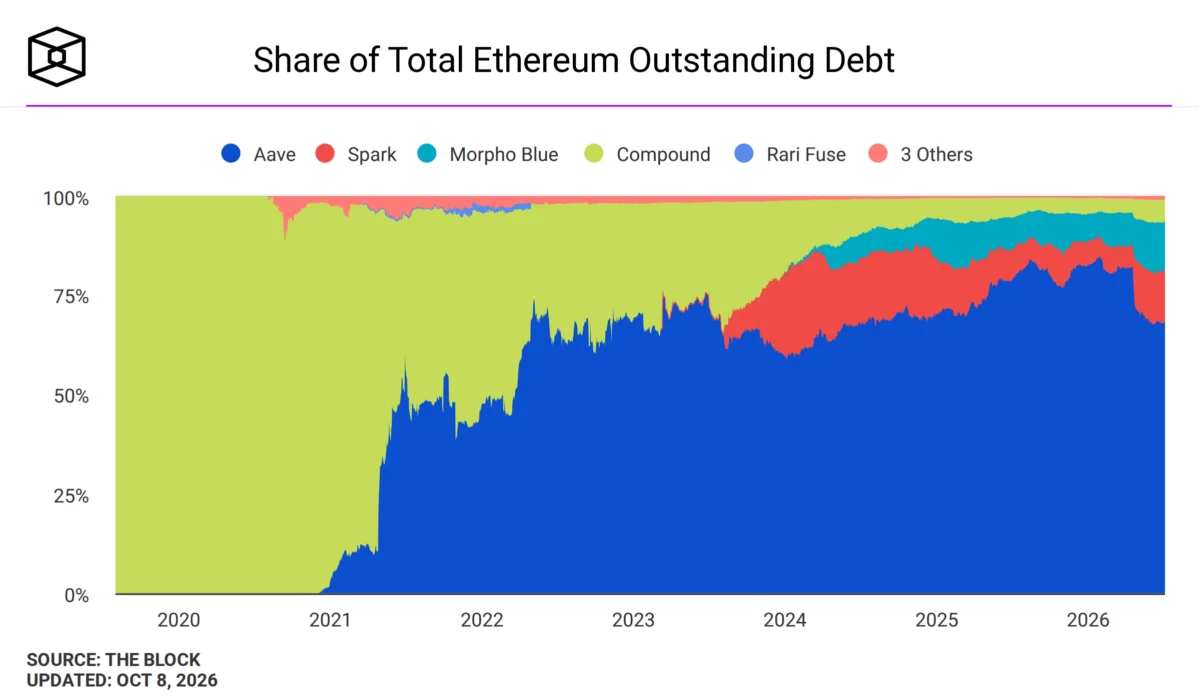
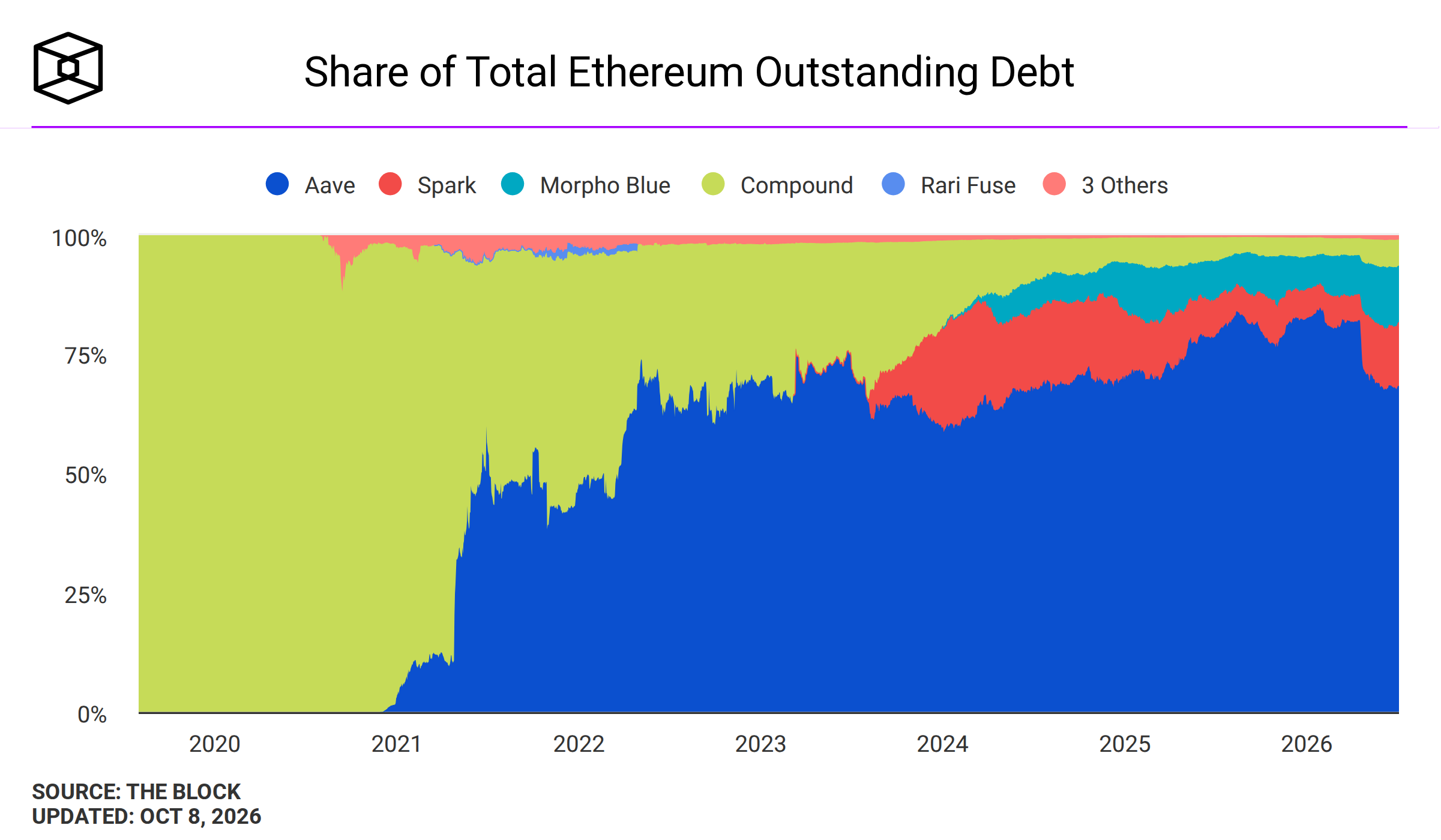
- 2021–2023: Aave established itself as the undisputed leader in on-chain lending, setting the standard for liquidity and protocol design. During this period, the sector saw explosive growth, with Total Value Locked (TVL) reaching multi-billion dollar peaks.
- Early 2026: The market faced a sobering reality check. High-profile incidents, most notably the $292 million KelpDAO exploit, sent shockwaves through the ecosystem. The incident, which involved the theft of 89,000 unbacked rsETH tokens used as collateral on Aave, led to over $120 million in estimated bad loans.
- Mid-2026: In the wake of these exploits, incumbents were forced into an aggressive risk-mitigation framework. Protocols began delisting low-adoption assets and tightening collateral parameters, effectively shrinking the pool of available options for yield-seeking investors.
- Q4 2026 (The Current Pivot): Lido identifies a "security vacuum." By positioning itself as the ultra-secure alternative, the protocol seeks to capture the institutional capital that has become increasingly wary of the risks associated with generalized lending platforms.
Supporting Data: The Current State of DeFi Lending
To understand the significance of Lido’s move, one must examine the current distribution of power in the lending market. As of October 2026, the on-chain lending landscape is characterized by a "supply-borrow gap."
Current data indicates that while the total TVL in lending protocols has recovered to a robust $55 billion, active loans account for only $31 billion. This indicates a high level of "idle" capital—liquidity that is deposited but not being efficiently utilized by borrowers.
- Aave: Holds a dominant 68% market share, though its reputation has been tested by recent security incidents.
- Spark: Controls 13% of the market, leveraging its integration with the Dai stablecoin ecosystem.
- Morpho: Holds 12% of the market, providing the technical foundation upon which Lido is building its new offering.
Lido’s entry is not merely an addition of another protocol; it is an attempt to address the "inefficiency" highlighted by analysts. By offering a platform that specifically targets professional borrowers, Lido aims to convert the dormant $24 billion of staked assets into active, productive collateral.
Official Responses and Strategic Positioning
Despite the aggressive nature of this expansion, the team at Lido is careful to frame the move as collaborative rather than combative. In an era where "protocol wars" often lead to liquidity fragmentation, Lido’s messaging is notably diplomatic.
"Lido Lend is a tailored solution to meet the specialized needs of professional borrowers and long-term lenders, not the general-purpose lending market," the team stated in an official release. "It is built to complement—not compete with—current market solutions."
Analyst Konstantin Lomashuk, a vocal supporter of the move, captured the sentiment of many within the Ethereum community: "Lido built the most secure staking solution in crypto… That market is solved. The next is lending. Too many hacks. Too much inefficiency. Lenders deserve far better protection. That’s what Lido Lend is built for."
This rhetoric underscores a broader shift in DeFi: the transition from the "wild west" growth phase to a more mature, institutional-focused era where security and risk management are the primary drivers of growth.
Implications: The Impact on LDO and the Market
The announcement has left market participants speculating on the future of the LDO governance token. Historically, LDO’s performance has been tied to the protocol’s dominance in staking, but the lending pivot introduces new variables.
The Tokenomics Question
While Lido has previously engaged in LDO buyback programs, it remains unclear whether the revenue generated by Lido Lend will be directed toward these buybacks or reinvested into the development of the lending ecosystem. At the time of reporting, LDO had experienced a 14% pullback from its recent highs, though it continues to trade within a bullish rising channel established in the second half of 2026. This technical resilience suggests that the market is viewing the expansion as a long-term value creator rather than a short-term distraction.
The Competitive Landscape
If Lido successfully captures even a fraction of the institutional lending market, it could force a fundamental rethink among existing giants like Aave. If Aave continues to prioritize security, it may find its market share being encroached upon by specialized, risk-minimized protocols like Lido Lend. Conversely, if Lido fails to maintain its reputation for security, the reputational damage could extend to its core staking business, making this a high-stakes gamble.
The Future of "Professional" DeFi
The ultimate implication of Lido Lend is the formalization of "Professional DeFi." By catering to sophisticated users who value capital efficiency over the high-risk, high-reward yield farming of the past, Lido is signaling that the future of the industry lies in infrastructure that resembles traditional finance—predictable, secure, and deeply integrated.
As we look toward the launch of Lido Lend later this quarter, the DeFi sector will be watching closely. Whether this is the beginning of a new, safer era for on-chain lending or a risky overextension remains to be seen. However, one thing is certain: the market leader is moving, and the rest of the ecosystem will have no choice but to adjust.
