

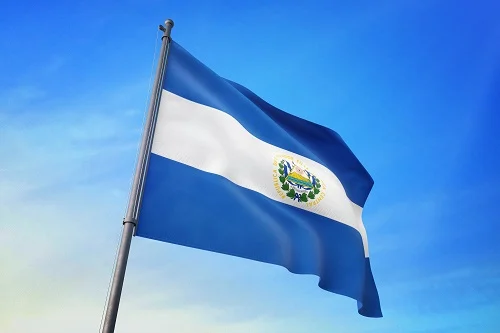
In a landmark development for the global cryptocurrency landscape, Binance—the world’s largest digital asset exchange by trading volume—has officially secured two critical regulatory licenses in El Salvador. This achievement marks a significant milestone in the Central American nation’s ongoing experiment with Bitcoin, further cementing its position as a global pioneer in the adoption of blockchain-based financial systems.
By obtaining both the Bitcoin Services Provider license (BSP) and the Digital Assets Services Provider license (DASP), Binance has become the first entity to receive a fully comprehensive, non-provisional license from Salvadoran regulators. This move not only underscores Binance’s aggressive strategy toward global regulatory compliance but also validates El Salvador’s bold vision for a Bitcoin-centric economy.
The Chronology of El Salvador’s Bitcoin Journey
To understand the significance of this licensing, one must look at the historical trajectory of El Salvador’s relationship with digital assets. In September 2021, under the leadership of President Nayib Bukele, El Salvador became the first sovereign nation in history to adopt Bitcoin as legal tender. The decision was met with both global skepticism from institutions like the International Monetary Fund (IMF) and immense enthusiasm from the international crypto community.
The rollout of the "Bitcoin Law" necessitated a robust regulatory framework. Over the past two years, the country has meticulously built the legal infrastructure required to oversee this nascent asset class.
- September 2021: The Bitcoin Law goes into effect, requiring merchants to accept Bitcoin as payment. The government launches the "Chivo" wallet to facilitate adoption.
- January 2023: The Legislative Assembly of El Salvador passes a comprehensive Digital Assets Law, creating a new regulatory body—the National Commission of Digital Assets (CNAD)—to oversee service providers.
- August 2023: After months of rigorous due diligence, the Central Reserve Bank (BCR) and the CNAD grant the inaugural BSP and DASP licenses to Binance, signaling a transition from experimental adoption to institutional integration.
This progression highlights a shift in El Salvador’s strategy: moving from top-down government mandates to fostering an environment where private sector innovators can operate legally and safely.
Detailed Breakdown of the Licenses
The dual-licensing structure in El Salvador is designed to provide a tiered level of security and oversight for investors and users.
The Bitcoin Services Provider License (BSP)
Issued by the Central Reserve Bank (BCR), the BSP license focuses specifically on the transactional nature of Bitcoin within the country. It mandates that entities providing wallet services, custody solutions, or payment processing must adhere to strict liquidity and security protocols. For Binance, this license validates its operational integrity regarding the most prominent cryptocurrency in the Salvadoran ecosystem.
The Digital Assets Services Provider License (DASP)
The DASP license, granted by the National Commission of Digital Assets, is more expansive. It covers a broader range of tokens beyond Bitcoin, including stablecoins, utility tokens, and other blockchain-based assets. As the first non-provisional DASP license holder, Binance is now legally permitted to tailor its suite of global financial products—which includes advanced trading, staking, and asset management tools—to the Salvadoran market.
Official Responses and Strategic Vision
The announcement was met with a celebratory tone from Binance’s executive team. CEO Changpeng "CZ" Zhao took to the platform formerly known as Twitter to confirm the news, stating, "Binance is pleased to announce that it has become the first fully licensed crypto exchange in El Salvador. Let’s keep making crypto more accessible."
Min Lin, Binance’s Head of Latin America, emphasized the collaborative nature of the achievement. "We are honored to be granted this license, as Binance continues to work collaboratively with regulatory agencies around the world to support global standards for the crypto and blockchain industry," Lin remarked in a formal statement.
The sentiment was echoed by Daniel Acosta, Binance’s General Manager for Colombia, Central America, and the Caribbean. Acosta highlighted the utility of these licenses, noting: "These licenses allow Binance to expand the products and services offered, including options tailored to the needs of our customers in El Salvador. It is also a great opportunity to collaborate closely with government authorities to support the adoption of crypto assets in the country, foster financial inclusion, innovation, and ensure customer protection."
The Implications for the Global Crypto Market
The entry of a major player like Binance into the Salvadoran market carries profound implications that extend far beyond the borders of Central America.
1. The Validation of Regulatory Compliance
Binance has faced significant headwinds in 2023, including a high-profile lawsuit from the U.S. Securities and Exchange Commission (SEC) and exits from various European jurisdictions such as the Netherlands and Cyprus. By securing these licenses in El Salvador, Binance is sending a clear signal to other international regulators: it is capable and willing to operate under rigorous, state-sanctioned frameworks. This serves as a "regulatory blueprint" that the exchange may seek to replicate in other emerging markets.
2. Financial Inclusion and Infrastructure
For the average Salvadoran, the presence of a global exchange means access to a more sophisticated suite of financial tools. While the government-backed Chivo wallet focused on basic payments and remittances, a full-service exchange provides opportunities for wealth preservation, sophisticated asset allocation, and improved liquidity. This is a critical step toward the government’s goal of "banking the unbanked."
3. Economic Stability and Foreign Investment
The move is likely to attract further fintech investment into El Salvador. By establishing a clear, legal path for cryptocurrency operations, the country is positioning itself as a "Crypto Hub" for the Latin American region. This could lead to a surge in blockchain-related jobs, technological infrastructure development, and a broader diversification of the national economy.
4. Setting a Global Standard
El Salvador’s regulatory framework is being watched closely by other nations. If Binance’s operations in El Salvador prove successful and secure, other countries with nascent crypto regulations—such as Brazil, Argentina, or various nations in Southeast Asia—may adopt similar licensing models. This creates a more stable, predictable environment for institutional crypto adoption.
Challenges Ahead
Despite the optimism, the road ahead is not without obstacles. The cryptocurrency market remains volatile, and integrating blockchain assets into a traditional economy presents persistent challenges regarding anti-money laundering (AML) and counter-terrorist financing (CTF) compliance.
Furthermore, the skepticism surrounding El Salvador’s Bitcoin experiment remains present in international financial circles. Critics argue that the volatility of Bitcoin could pose risks to the nation’s fiscal health. Binance will need to maintain a transparent, proactive relationship with both the BCR and the CNAD to ensure that its operations mitigate these risks while delivering on the promise of innovation.
Conclusion
The granting of these licenses to Binance marks the end of the "wild west" era of crypto in El Salvador and the beginning of a structured, institutionalized chapter. By securing the first fully licensed status, Binance has solidified its commitment to global expansion through regulatory alignment.
As El Salvador continues its unique economic journey, the partnership between the world’s largest exchange and a nation that has staked its future on Bitcoin will undoubtedly serve as a critical case study for the rest of the world. Whether this leads to widespread economic prosperity or serves as a cautionary tale remains to be seen, but for now, the path forward is clear: the integration of traditional finance and blockchain technology is not only happening—it is being written in the heart of Central America.
