

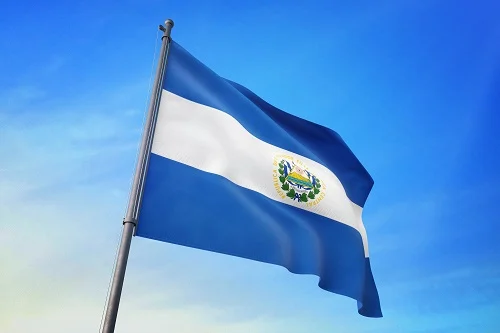
In a landmark development for the global cryptocurrency ecosystem, Binance—the world’s largest digital asset exchange by trading volume—has officially secured two prestigious regulatory licenses in El Salvador. This achievement marks a significant milestone, as Binance becomes the first crypto exchange in the nation to be granted a fully licensed, non-provisional status. This move solidifies El Salvador’s position as a burgeoning hub for blockchain innovation and reaffirms Binance’s aggressive, global strategy to achieve full regulatory compliance despite a challenging legal landscape in other jurisdictions.
Main Facts: A Dual-License Achievement
The regulatory approval encompasses two distinct certifications: the Bitcoin Services Provider (BSP) license and the Digital Assets Services Provider (DASP) license. These were issued by the nation’s primary financial authorities: the Central Reserve Bank (Banco Central de Reserva) and the National Commission of Digital Assets (Comisión Nacional de Activos Digitales), respectively.
By obtaining these licenses, Binance has cleared a rigorous due diligence process. The DASP license, in particular, is a historic first, distinguishing Binance from other entities that may hold only provisional or limited authorizations. The acquisition of these licenses enables the exchange to expand its service offerings, providing tailored financial products to the Salvadoran market while operating under a transparent, government-sanctioned framework.
Chronology: The Road to Licensing
To understand the significance of this development, it is necessary to view it through the lens of El Salvador’s bold economic trajectory.
- September 2021: El Salvador makes history by becoming the first sovereign nation to adopt Bitcoin as legal tender, a move spearheaded by President Nayib Bukele. This decision set the stage for a new legislative framework surrounding digital assets.
- January 2023: The Salvadoran Legislative Assembly passes the Digital Assets Law, creating a robust legal foundation for the issuance and management of digital assets by both the state and private entities.
- June 2023: Binance faces heightened regulatory scrutiny in the United States, including a high-profile lawsuit from the Securities and Exchange Commission (SEC), which sparked industry-wide questions regarding the exchange’s future compliance strategy.
- August 2023: Binance announces it has successfully navigated the local regulatory hurdles in El Salvador, officially becoming the first fully licensed exchange in the country. This announcement follows months of intense collaboration with the Central Reserve Bank and the National Commission of Digital Assets.
Supporting Data: Why El Salvador Matters
El Salvador’s commitment to crypto is not merely rhetorical; it is backed by infrastructure and legislative intent. Since the 2021 adoption of the "Bitcoin Law," the country has aggressively sought to integrate crypto into its financial system.
The Salvadoran government has invested heavily in "Bitcoin City" initiatives and geothermal energy mining projects, aiming to leverage its volcanic resources to power crypto operations. By bringing a global giant like Binance into the fold, the government is signaling to international investors that the country is a safe, regulated, and professional environment for digital finance.
For Binance, this is part of a broader, global pattern of expansion. The exchange has successfully secured registration or licensing in several key markets, including:
- Europe: Italy, France, Spain, and Sweden.
- Middle East: Dubai (VARA).
- Asia: Japan, where the exchange has re-entered the market through acquisition and compliance-first strategies.
Official Responses and Strategic Vision
The sentiment among Binance leadership remains one of optimism and strategic alignment.
Changpeng "CZ" Zhao, the former CEO of Binance, took to social media platform X (formerly Twitter) to confirm the news, emphasizing the company’s mission to "make crypto more accessible" while adhering to local laws.
Min Lin, Binance’s Head of Latin America, provided a deeper context during the announcement: "We are honored to be granted this license, as Binance continues to work collaboratively with regulatory agencies around the world to support global standards for the crypto and blockchain industry."
Daniel Acosta, General Manager for Colombia, Central America, and the Caribbean, highlighted the operational implications of the licensing: "These licenses allow Binance to expand the products and services offered, including options tailored to the needs of our customers in El Salvador. It is also a great opportunity to collaborate closely with government authorities to support the adoption of crypto assets in the country, foster financial inclusion, innovation, and ensure customer protection."
Implications: The Shift Toward Global Compliance
The implications of this licensing are multi-faceted, affecting both the exchange’s reputation and the broader crypto industry.
1. Strengthening the "Compliance-First" Narrative
In the wake of legal challenges in the U.S. and the departure from certain markets due to regulatory friction, Binance is clearly pivoting. By securing full licensing in a country that has made Bitcoin a cornerstone of its national economy, Binance is effectively "de-risking" its operations. It provides a blueprint for how a massive, decentralized global entity can harmonize with sovereign regulators.
2. A Catalyst for Financial Inclusion
For the citizens of El Salvador, the presence of a regulated, world-class exchange provides safer access to global liquidity. Many Salvadorans reside abroad, and the use of crypto for remittances—reducing transaction costs and time—is a primary objective of the government. Binance’s entry is expected to lower the barriers to entry for local users looking to convert, trade, and store digital assets securely.
3. Setting a Regional Precedent
Central America has long been a target for fintech innovation. By setting the standard for regulation in El Salvador, Binance creates a "halo effect" for neighboring countries. Other nations in the region, such as Honduras or Guatemala, may observe the success of this regulatory framework and look to adopt similar standards, potentially triggering a regional boom in blockchain adoption.
4. Navigating the Regulatory "Winter"
While critics argue that Binance’s expansion is a reaction to pressure in the West, supporters see it as a maturation of the exchange. The move demonstrates that even as regulatory scrutiny intensifies, there are pathways for crypto firms to operate legitimately. It highlights that the "Wild West" era of cryptocurrency is giving way to a more disciplined, licensed, and transparent era.
Conclusion: A New Chapter
The entry of Binance into El Salvador as a fully licensed entity is more than just a press release; it is a signal of the industry’s evolution. As Binance integrates itself into the Salvadoran financial fabric, it does so with the weight of global scrutiny and the promise of increased efficiency for users.
While the regulatory path forward remains complex, particularly regarding global anti-money laundering (AML) and know-your-customer (KYC) standards, Binance’s success in El Salvador proves that partnership between traditional state regulators and digital asset providers is not only possible but beneficial for the health of the broader financial ecosystem. As the world watches, El Salvador continues its experiment, and Binance continues its transformation into a globally regulated financial institution.
