

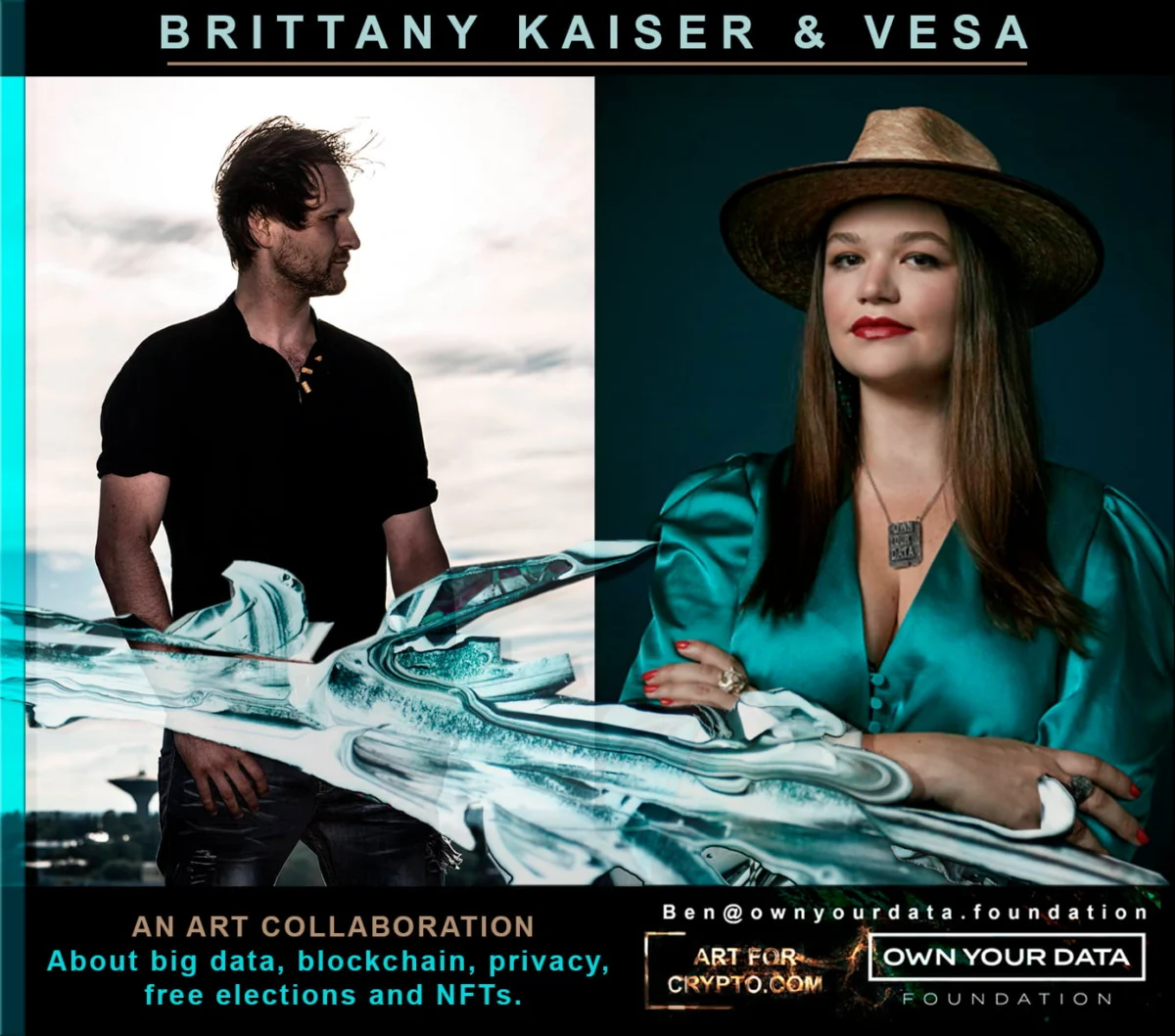
In the rapidly evolving landscape of the digital age, few figures have cast a shadow as long or as significant as Brittany Kaiser. Best known for her pivotal role as a whistleblower in the Cambridge Analytica scandal, Kaiser has spent the years following her departure from the company advocating for a fundamental shift in how personal data is perceived, managed, and monetized. Her latest endeavor, however, transcends the traditional boundaries of policy advocacy and investigative journalism. By collaborating with renowned crypto-artist Vesa, Kaiser is entering the world of fine art, utilizing NFTs and mixed-media installations to translate complex concepts of data sovereignty into tangible, visual expressions.
The Genesis of a Movement: From Whistleblower to Advocate
To understand the weight of this collaboration, one must first look at the trajectory of Brittany Kaiser’s career. As a former employee of Cambridge Analytica, Kaiser witnessed firsthand how personal data—scraped from social media platforms under the guise of personality profiling—was weaponized to influence political outcomes on a global scale. The story, famously chronicled in the Netflix documentary The Great Hack, exposed the fragility of modern privacy and the "strip-mining" of user data by tech giants.
Since breaking her silence, Kaiser has not merely retreated into the background; she has become a leading voice for digital rights. As the co-founder of the Own Your Data Foundation, she has dedicated her efforts to educating the public on the necessity of data literacy. Her central thesis remains: "If we want protection, we need to start thinking of our data as our property, because, if no one has noticed, property is held up and protected legally."
Chronology of a Creative Collaboration
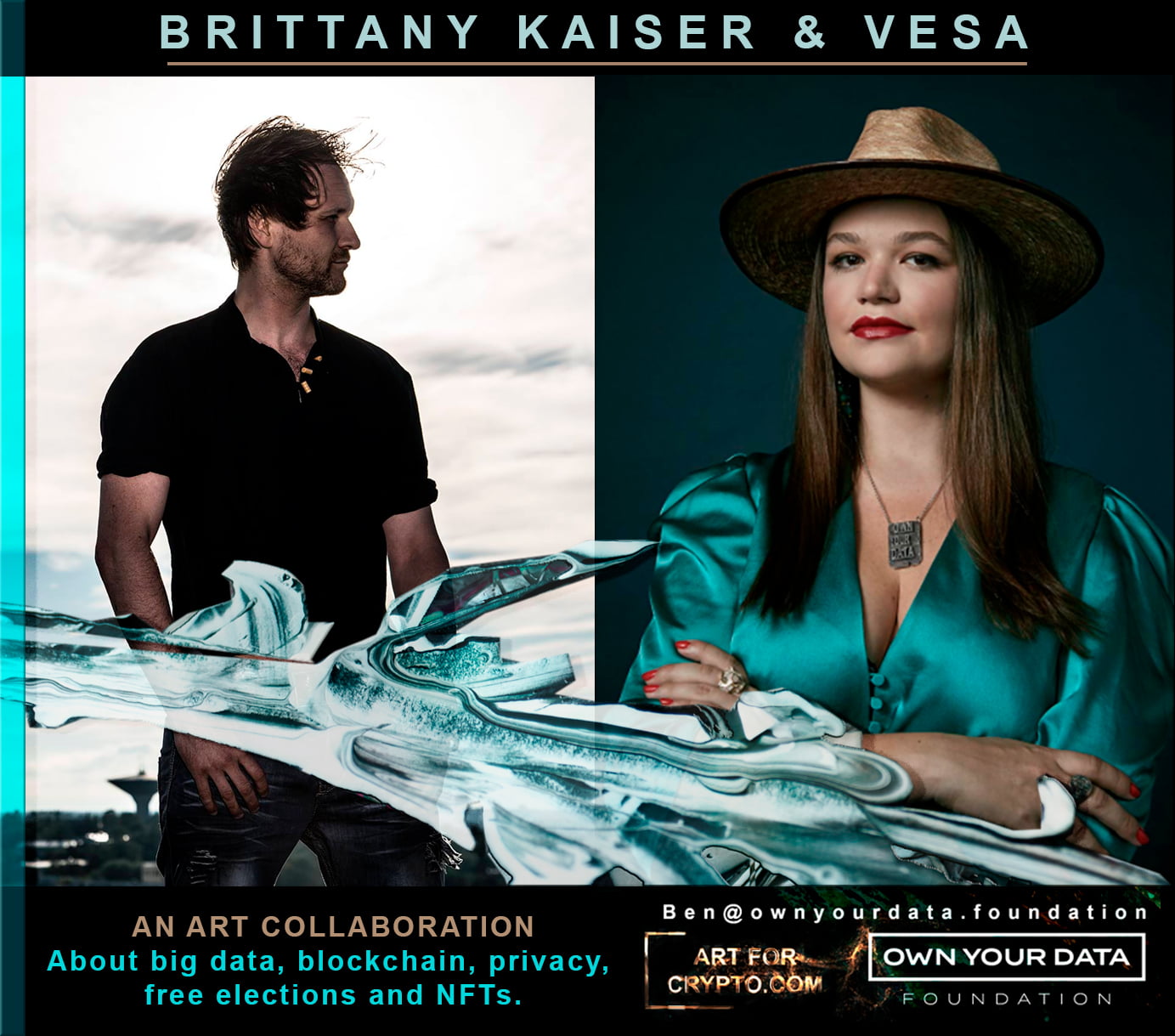
The intersection of Kaiser’s mission and the world of high-end digital art was not a spontaneous occurrence but a calculated strategy to reach a new audience. The collaboration began to take shape through a series of strategic discussions with Vesa, a pioneer in the "Artevo" movement—a hybrid art form that blends physical painting with digital, augmented reality, and blockchain-integrated elements.
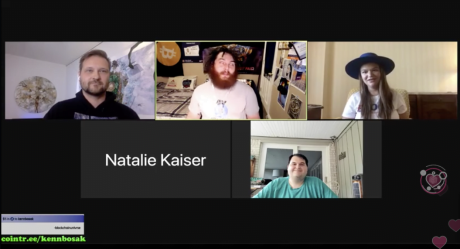
- Initial Conceptions: The project was first teased during a launch podcast featuring Vesa, Kenn Bosak, and the Kaiser team. The intent was clear: to move beyond the dry, legalistic language of data privacy and into the emotive, accessible world of art.
- The Helsinki Foundation: In early 2021, the duo planned a collaborative period in Helsinki, where they would conceptualize and create the primary assets for the collection. This phase involved blending traditional mixed-media canvases with the underlying cryptographic proof provided by NFTs.
- Global Exposure: The strategy was designed as a multi-stage rollout. Following the creation of the works, a red-carpet event in London was scheduled to serve as the project’s physical debut.
- Metaverse Integration: Simultaneously, the project sought to bridge the physical and virtual divide by launching in the Crypto Voxels metaverse, allowing users worldwide to interact with the art in a decentralized digital space.
- The New York Auction: The final leg of the initial rollout included a planned exhibition and auction in New York City, designed to bring the narrative of data sovereignty to the heart of the global financial and art markets.
Supporting Data: Why Blockchain is the Answer
The choice of blockchain technology as the medium for this message is no coincidence. In the current digital paradigm, data is centralized in the servers of massive corporations. These entities monetize information without the user’s explicit consent or fair compensation.
Blockchain, by contrast, offers a decentralized ledger system. As Vesa and Kaiser argue, if personal data can be tokenized—represented as a unique, immutable digital asset—the power dynamic shifts. Users can potentially control who accesses their information and under what terms. By utilizing NFTs (Non-Fungible Tokens) to represent art pieces that deal with the themes of data security and privacy, the creators are creating a meta-narrative: the art itself represents the very technology that they believe will solve the data crisis.

The Great Hack, which has garnered over 100 million views on Netflix, serves as the cultural catalyst for this project. The film’s critical acclaim—including BAFTA and Oscar nominations—has solidified the public’s awareness of the data problem. The artistic project acts as the "next step" in the conversation, moving the audience from fear and awareness toward a proactive, technological solution.
Official Perspectives: The Philosophy Behind the Art
The project is not just a commercial venture; it is a pedagogical tool. In discussions surrounding the collaboration, both Kaiser and Vesa have emphasized the concept of "Ikigai"—a Japanese term meaning "a reason for being." For this project, their Ikigai is the intersection of blockchain utility and the urgent need for personal digital sovereignty.
Director of Communications at the Own Your Data Foundation, Benjamin Leff, has been a key figure in facilitating these partnerships. According to the foundation, the goal is to create visibility for the "data ownership" movement in sectors that have traditionally been detached from the world of tech policy, such as the luxury art market and the NFT collector community.
Implications for the Future of Data and Art
The implications of this collaboration are twofold. First, it marks the legitimization of crypto-art as a medium for serious political and social commentary. By addressing the Cambridge Analytica scandal—a defining moment of the 21st century—through art, the project elevates NFTs beyond simple digital collectibles.
Second, it challenges the legal and ethical framework of the internet. If the project succeeds in its goal of raising awareness, it could influence a new generation of digital natives to demand better data handling practices. The "Own Your Data" ethos is increasingly finding a home in the Decentralized Finance (DeFi) and Web3 communities, where users are already building the infrastructure for a more equitable digital future.
Conclusion: The Path Forward
As the project continues to evolve, the partnership between Brittany Kaiser and Vesa remains a beacon for how technology and culture can intersect to address systemic failures. While the legal battles over data privacy remain ongoing in courts and legislative bodies worldwide, the cultural battle is being won through stories and imagery.
For those interested in the ongoing developments of this project, the Own Your Data Foundation continues to serve as the central hub for information. As the team notes, the collaboration is a living entity, with new pieces and auction opportunities expected to roll out in the coming seasons.
In a world where our digital footprints are constantly being mined, the work of Kaiser and Vesa serves as a necessary reminder: we are the creators of our own data, and it is time we claimed ownership of it. Whether through a physical canvas in London or a digital space in the metaverse, the message remains clear: the future of privacy is in our hands, and it is being written in code, paint, and pixels.
Disclaimer
The information provided in this article is for educational and informational purposes only. It does not constitute financial, legal, or investment advice. Investing in digital assets, including NFTs and cryptocurrencies, carries significant risk. Readers are encouraged to conduct their own thorough research and consult with qualified professionals before making any financial commitments. Use the information provided on this website entirely at your own risk.
