

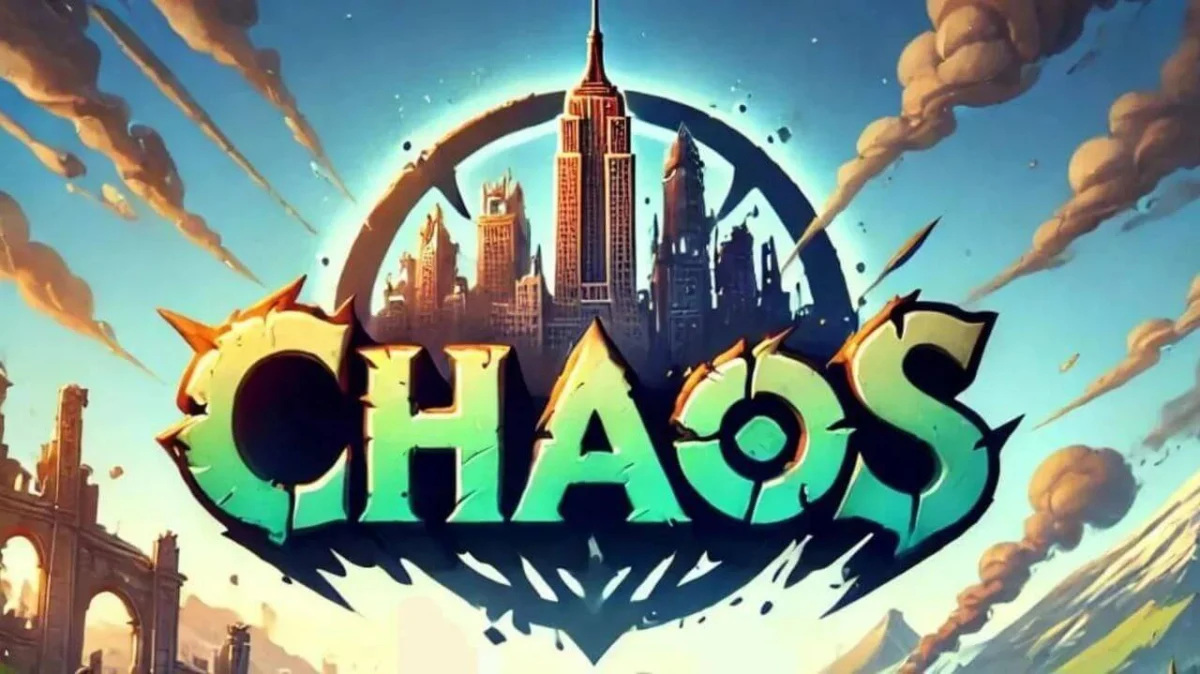
In the rapidly evolving landscape of mobile gaming, few titles have attempted to bridge the gap between physical reality and high-fidelity digital infrastructure as ambitiously as Chaos on the Chains. Following three years of clandestine development, the team behind this genre-defining project has finally unveiled their vision: a play-to-earn mobile MMORPG that weaves GPS, Augmented Reality (AR), Artificial Intelligence (AI), and blockchain technology into a singular, cohesive experience. As the project enters the final stages of its development cycle, the gaming community stands on the precipice of a new era of interactive conquest.
The Convergence of Technologies: A New Paradigm in Gaming
At its core, Chaos on the Chains represents a significant departure from traditional mobile gaming silos. While many games focus on static digital environments, this title utilizes the player’s immediate physical surroundings as the primary game board. By leveraging GPS data, the game maps the player’s neighborhood, turning streets, landmarks, and local parks into contested territories.
The integration of AR allows players to visualize this battleground in real-time, bridging the divide between the digital "low-poly" aesthetic of the game world and the physical world around them. This is not merely a gimmick; it is the fundamental mechanic of the game’s economy and social structure. Players are not just playing a game; they are claiming land, fortifying positions, and engaging in tactical warfare within their own local geography.
The underlying blockchain infrastructure ensures that these conquests have tangible value. By creating a multi-crypto chain economy, the developers have ensured that assets—ranging from weaponry and armor to territorial claims—are fully owned by the players. This creates a robust, decentralized marketplace where strategy translates directly into economic empowerment.
Chronology: From Concept to Global Launch
The journey of Chaos on the Chains began three years ago, emerging from a desire to move beyond the repetitive nature of current mobile RPGs. The development trajectory can be summarized as follows:
- Year 1: Conceptualization and Prototyping: The core development team focused on the "Chaos" engine—a proprietary framework designed to handle the complex synchronization of GPS movement with server-side blockchain transactions.
- Year 2: Technology Integration: This phase saw the successful merging of AI-driven NPC behaviors with real-world map data. The developers spent this year testing the "dynamic encounter" system, where players could interact with historically inspired entities or, on occasion, the developers themselves.
- Year 3: Alpha Testing and Ecosystem Design: The team focused on the Token Generation Event (TGE) framework and the creation of the multi-crypto chain economy. During this period, the game’s narrative—the aftermath of a reality-shattering meteorite that merged disparate historical and futuristic eras—was fully fleshed out.
- Current Status (The Final Stretch): As the project moves into the final months before its global launch, the focus has shifted to scalability, community onboarding, and final polishing of the AR interface to ensure a seamless experience across diverse mobile devices.
Supporting Data and Technical Architecture
The technical architecture of Chaos on the Chains is designed to support a persistent, ever-evolving world. The game utilizes a sophisticated AI layer that governs NPC movements and strategic responses, ensuring that the world feels reactive. Unlike static games, the "Chaos" world is built to change; seasons introduce new story arcs that fundamentally alter the landscape.
The integration of blockchain technology serves as the game’s "trust layer." Every transaction, from the trading of rare assets to the acquisition of land, is recorded on a secure ledger. By supporting a multi-chain environment, the developers are mitigating the risk of network congestion, allowing for a fluid, fast-paced trading experience that remains accessible even to players new to cryptocurrency.
The game’s low-poly art style is a deliberate design choice. By optimizing the visual fidelity for mobile devices, the developers have ensured that the game remains accessible to a wide audience while maintaining a distinct, recognizable aesthetic that can handle the intensive processing demands of real-time GPS and AR rendering.
Strategic Gameplay: A World of Infinite Possibilities
The narrative premise of the game is rooted in a cataclysmic event: a meteorite that shattered the boundaries of time and space, pulling ancient warriors, medieval knights, and futuristic soldiers into a single, fractured timeline. This "Chaos" provides the justification for the game’s eclectic mix of weaponry, gear, and character classes.
Players are encouraged to adopt specific playstyles to survive:
- The Tactician: Focuses on territorial control, using GPS to scout enemy movements and setting up defensive perimeters in their local area.
- The Raider: Specializes in stealth and rapid incursions, moving across the physical world to strike at enemy strongholds before retreating.
- The Diplomat: Leverages the social aspect of the MMORPG, forging alliances that span across real-world cities and nations to coordinate massive, multi-player invasions.
The inclusion of developers and the CEO in the game world as active participants adds a layer of engagement rarely seen in the industry. It transforms the game from a cold, automated product into a living, breathing community where the architects of the world are just as vulnerable to the "Chaos" as the players themselves.
The Token Generation Event (TGE): Empowering the Early Adopter
As the game approaches its official launch, the upcoming Token Generation Event (TGE) serves as a critical milestone. This event is not merely a fundraising effort; it is a community-building initiative designed to reward those who believe in the project’s long-term vision.
Participants in the TGE gain more than just tokens. Early adopters are promised:
- Priority Access: The ability to secure territory and establish influence before the broader market enters the game.
- Exclusive Digital Assets: Limited-edition gear and cosmetic upgrades that will not be available in subsequent seasons.
- Governance Rights: An opportunity to influence the future development of the game world through community-led proposals and voting, ensuring that the "Chaos" remains player-centric.
The team has been transparent about their desire to create a sustainable ecosystem. By prioritizing the community through social channels like X.com and their Telegram group, they are fostering a transparent environment where feedback loop integration is a priority.
Implications for the MMORPG Market
The launch of Chaos on the Chains arrives at a pivotal moment for the gaming industry. As major studios grapple with the fatigue surrounding traditional "pay-to-win" models, Chaos on the Chains proposes a "play-to-earn" model that prioritizes strategic depth and genuine ownership.
If successful, this project could force a broader shift in mobile game design. The reliance on GPS and AR is no longer a novelty reserved for niche applications like Pokémon GO; it is becoming a viable foundation for hardcore, competitive MMORPGs. The implications are profound:
- Economic Impact: The creation of a secondary market for in-game assets could provide a new revenue stream for dedicated players, turning gameplay into a professional pursuit.
- Social Connectivity: By forcing players to interact with their local environment and forge alliances, the game creates a physical social network that transcends the digital screen.
- Technological Standardization: The project’s use of AI and blockchain as foundational elements rather than additive features sets a new bar for what players will expect from mobile titles in the coming decade.
Conclusion: Entering the Chaos
As we look toward the launch later this year, Chaos on the Chains stands as a testament to the power of cross-disciplinary innovation. By blending the strategic complexity of a classic MMORPG with the physical immersion of AR and the economic freedom of blockchain, the developers have crafted an experience that is as ambitious as it is accessible.
For those ready to join the movement, the path forward is clear. Whether you are a veteran of the strategy genre or a newcomer curious about the intersection of crypto and gaming, the world of Chaos on the Chains offers a chance to be at the forefront of a revolution. The meteorite has fallen, the realms have collided, and the map is waiting to be rewritten. The question remains: how will you leave your mark on the map?
For more information on the development progress and to participate in the upcoming Token Generation Event, interested parties are encouraged to visit the official Chaos on the Chains website, follow the project on X.com, or engage with the community directly via their Telegram group. The chaos is coming—be prepared to lead it.
