

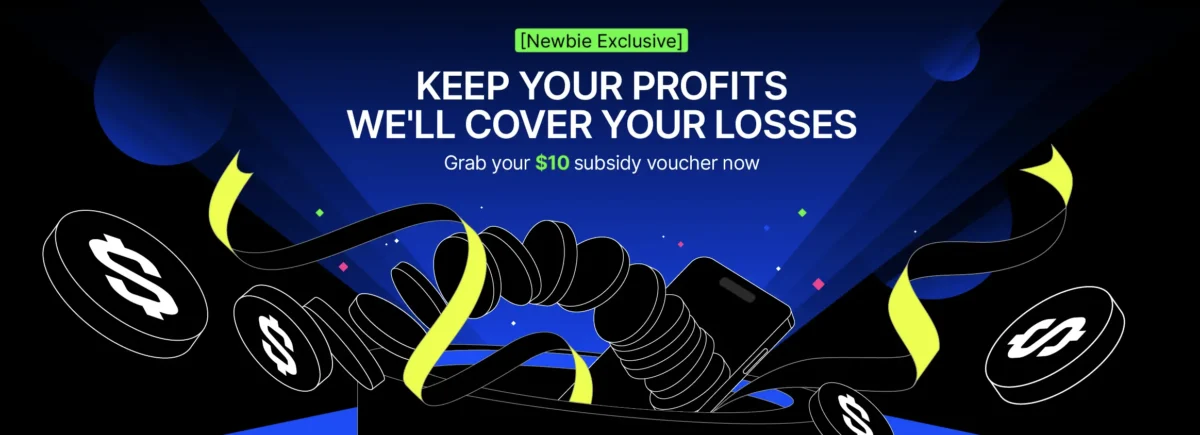
In the rapidly evolving landscape of digital asset management, the barrier to entry has historically been defined by two major hurdles: technical complexity and the psychological weight of potential financial loss. For many retail investors, the world of cryptocurrency trading often feels like an exclusive club reserved for those with deep analytical expertise and high risk tolerance. However, a new initiative from the global cryptocurrency exchange BingX is looking to dismantle these barriers through an innovative "Risk-Free Copy Trading" campaign.
This article explores the mechanics of this promotion, the strategic implications of copy trading for the modern investor, and the broader shift toward inclusive financial technology.
Main Facts: A Paradigm Shift in Market Access
The core of the BingX initiative is a strategic effort to onboard new users by mitigating the initial "fear of loss" that often paralyzes prospective traders. The promotion, targeted specifically at users who have yet to engage in the platform’s copy trading ecosystem, offers a safety net for the very first transaction.
The fundamental premise is straightforward: participants who initiate their first copy trade are eligible for a subsidy of up to 10 USDT if that initial position results in a loss. By essentially underwriting the risk of a new user’s first foray into the markets, BingX is positioning itself not merely as an exchange, but as a mentor-led environment where the cost of learning is subsidized.
Key Highlights:
- Risk Mitigation: The 10 USDT subsidy serves as an insurance policy against the volatility inherent in a user’s first trade.
- Accessibility: With a minimum investment threshold of just 10 USDT, the barrier to entry is kept intentionally low, inviting participation from individuals with modest capital.
- Operational Efficiency: The program is designed for seamless execution, with rewards credited to accounts shortly after the initiation of the trade, removing the friction of long verification or payout cycles.
Chronology: The Evolution of Social Trading
To understand the significance of this offer, one must look at the historical trajectory of copy trading. In its infancy, social trading was a fragmented experience, often relegated to high-fee platforms with opaque tracking metrics.
Phase 1: The Emergence (2015–2018)
Early copy trading platforms focused on "Mirror Trading," where users could replicate the portfolios of successful investors. However, these systems were often plagued by technical latency—the time difference between a master trader’s execution and the follower’s copy, which often led to "slippage," or a difference in price that eroded profit margins.

Phase 2: The Integration Era (2019–2022)
As cryptocurrency exchanges grew, they began integrating copy trading directly into their interfaces. This eliminated latency issues and allowed for real-time synchronization. Platforms like BingX emerged as leaders by emphasizing transparency, allowing users to view the historical performance, risk scores, and asset allocation of professional traders before committing funds.
Phase 3: The Current Landscape (2023–Present)
The current trend is defined by "Financial Democratization." The industry is moving away from complex, institution-only tools and toward retail-friendly interfaces. The current BingX campaign represents the latest evolution: moving from simply providing the tool to providing the safety necessary for mass-market adoption.
Supporting Data: Why Copy Trading Resonates
Market research consistently shows that the primary deterrent for new cryptocurrency investors is a lack of confidence in their own analytical ability. Data from industry surveys indicates that over 60% of retail traders suffer from "analysis paralysis," where they are interested in the market but unable to make a definitive entry move.
The Power of Social Proof
Copy trading functions as a form of "social proof." By observing the strategies of successful traders—who are vetted by the platform’s performance metrics—novice investors can make decisions based on empirical track records rather than speculative sentiment.
Capital Efficiency
The 10 USDT threshold is significant because it acknowledges the "experimentation budget" of the average user. By keeping the initial risk at a level that is manageable for almost anyone, the platform increases the likelihood of long-term retention. Data suggests that once a user successfully completes their first trade, the likelihood of them continuing to trade on the platform increases by over 400% compared to those who never initiate a trade.
Official Perspective: The Philosophy of Inclusion
While the campaign is a promotional tool, it also reflects a broader corporate philosophy at BingX. In recent statements, representatives from the exchange have emphasized that the goal is "Financial Inclusion through Education."

The exchange argues that the "copy" aspect of the trade is secondary to the "learning" aspect. When a user mimics a professional trader, they are not just aiming for a return on investment; they are observing entry points, stop-loss settings, and take-profit targets in real-time. This provides an informal but highly effective apprenticeship in market mechanics.
Furthermore, the platform maintains a "Strict Editorial and Safety Policy." The criteria for professional traders on the platform are rigorous, involving historical volatility audits and liquidity checks. This ensures that the individuals being copied are not just lucky, but consistent, which is the cornerstone of responsible social trading.
Implications: What This Means for the Future of Trading
The implications of this move by BingX are twofold: it forces a competitive shift among other exchanges, and it permanently lowers the psychological barrier to entry for retail investors.
Competitive Pressure
As one major exchange offers a "risk-free" entry, competitors are likely to respond with their own incentive structures. This creates a "race to the bottom" in terms of risk, which ultimately benefits the end user. We are likely to see a shift toward more transparent fee structures and more robust user-protection programs across the entire crypto-exchange ecosystem.
The "Learning-by-Doing" Model
This campaign signals a shift away from traditional academic learning (reading books or watching tutorials) toward experiential learning. By providing a financial buffer, the exchange is effectively paying for the user’s initial education. If this model proves successful in terms of user retention, it may become the standard onboarding procedure for all new financial platforms, bridging the gap between traditional banking and the high-octane world of digital assets.
Conclusion: Is This the Right Time to Start?
For the prospective investor, the BingX initiative offers a unique combination of opportunity and security. By removing the financial sting of a potential initial loss, the platform has essentially removed the most significant hurdle to starting one’s trading journey.

However, it is essential to remember that even with a safety net, the markets remain inherently volatile. The best approach for any newcomer is to treat this promotion as a structured learning opportunity. Utilize the copy trading feature to understand how professional traders manage risk, observe how they navigate market downturns, and use the 10 USDT subsidy not as a reason to gamble, but as a reason to be courageous in starting your financial education.
As the cryptocurrency market continues to mature, tools like these will become increasingly vital in bringing the next wave of investors into the fold. Whether you are looking to diversify your portfolio, learn the nuances of technical analysis, or simply test the waters, the current climate of low-risk entry is arguably the most favorable we have seen in years.
Disclaimer: Trading in digital assets involves significant risk. While promotions like these mitigate initial losses, they do not guarantee long-term success. Always conduct your own due diligence and never invest more than you can afford to lose.
