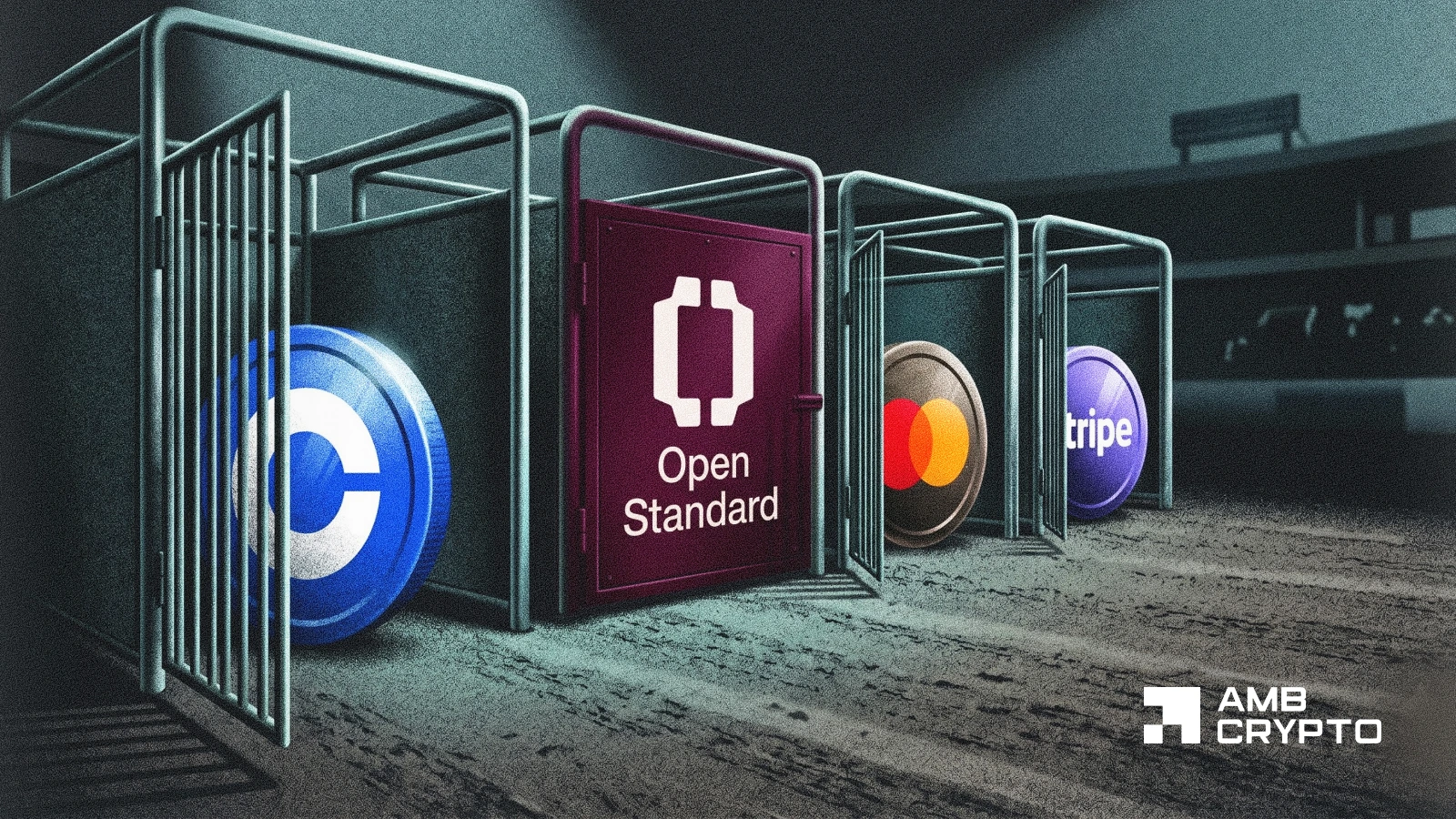
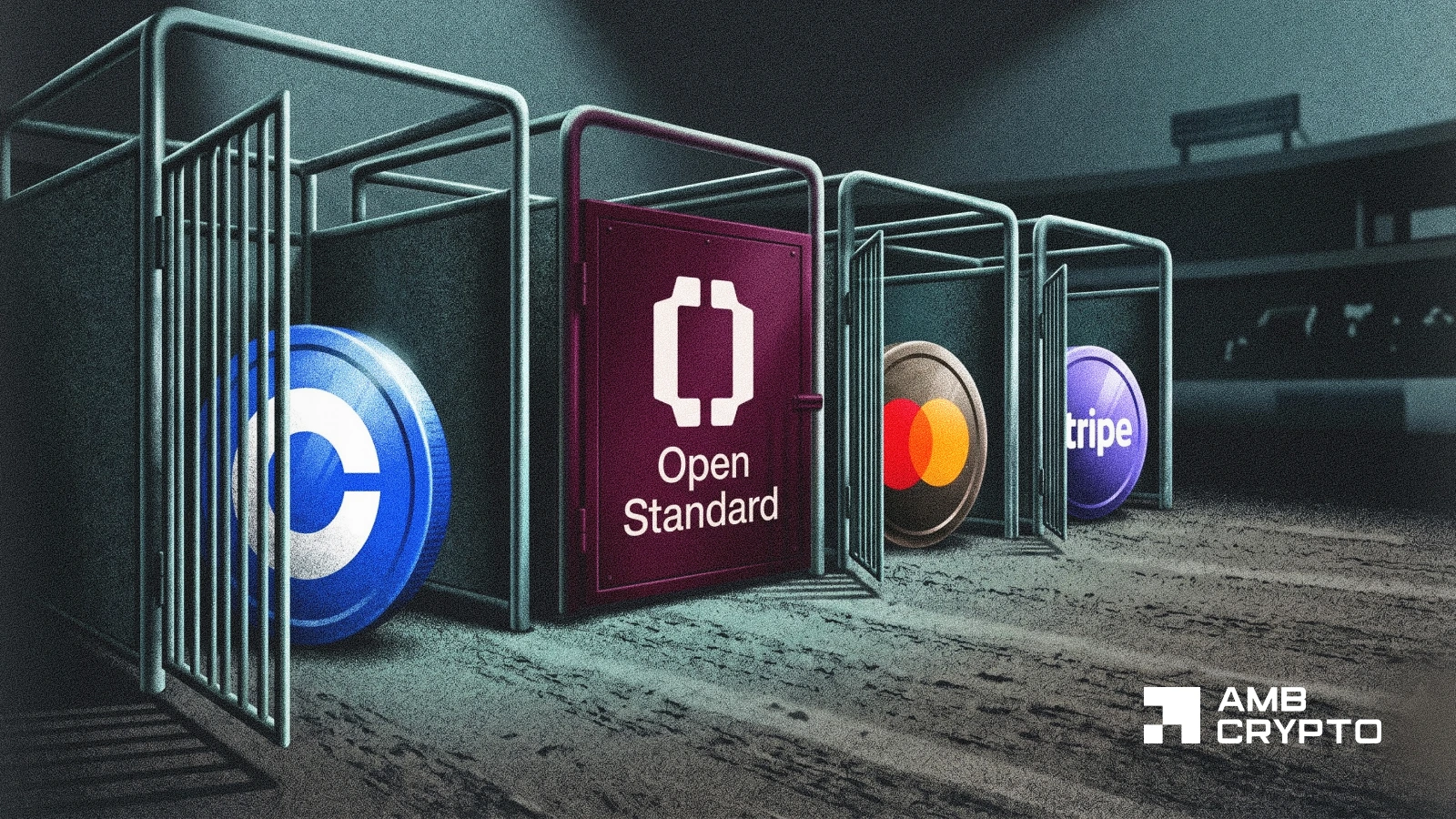
Global Finance & Crypto Markets — The stablecoin landscape experienced a seismic shift on September 30, when Stripe-issued OpenUSD (OUSD) officially launched across major public blockchains. Backed 1:1 by the U.S. dollar, OUSD’s deployment is widely viewed as a direct challenge to the entrenched stablecoin duopoly long held by Tether’s USDT and Circle’s USDC.
With heavyweights like Stripe, Mastercard, and Visa rallying behind the initiative—alongside an initial roster of over 140 backers announced back in June—OUSD is poised to redefine digital asset settlements, institutional yields, and cross-border payments.
Main Facts: What is OpenUSD (OUSD)?
OpenUSD is a fully backed, U.S. dollar-pegged stablecoin designed to bridge traditional fintech rails with decentralized finance (DeFi) infrastructure. Unlike many legacy stablecoin models where the issuer retains the vast majority of treasury-generated yields, OUSD introduces a revenue-sharing architecture.
Multi-Chain Deployment: OUSD is live on Ethereum, Solana, Base, and Tempo (a specialized network incubated by Stripe).
Yield-Sharing Model: According to Stripe CEO Patrick Collison, the majority of the yield generated from OUSD reserves is shared directly with ecosystem partners rather than being internalized solely by the issuer.
Core Product Integration: Stripe is actively embedding OUSD into its core payment and merchant product flows, drastically expanding its potential utility from day one.
Institutional Backing: The stablecoin is supported by crypto exchange giant Coinbase, as well as mainstream payment titans Stripe, Mastercard, and Visa.
Chronology of Events: From Concept to Launch
The journey toward OpenUSD’s public debut involved strategic maneuvering across the fintech and cryptocurrency sectors over several months:
June: Stripe initially unveils OpenUSD to the public, backed by an impressive coalition of over 140 launch partners spanning decentralized protocols, wallets, and financial institutions.
Leading up to September 30: Infrastructure preparations are finalized across Ethereum, Solana, Base, and the Stripe-incubated network, Tempo. Industry observers note Stripe’s aggressive posture in the payments space, highlighted by prior strategic ambitions, including its exploration of a massive $53 billion buyout bid for PayPal to capture broader digital asset and stablecoin stacks.
September 30: OUSD officially goes live across public blockchains, formally initiating competition in both consumer retail rails and institutional settlement layers.
Supporting Data & Market Dynamics: Can OUSD Topple the Giants?
To understand the weight of OUSD’s launch, one must examine the current stablecoin ecosystem, which has long been dominated by two distinct titans operating in different sectors of the global economy.
The Target: USDC’s Regulated Stronghold
In regulated payments and consumer card rails, Circle’s USDC holds a dominant position, commanding roughly 54% market share (as reflected in recent September reporting where stablecoin card spending hit a record $789 million). Because Stripe operates heavily within regulated merchant environments, USDC represents the most immediate target for OUSD’s commercial overtures. If Stripe and its expansive merchant distribution network aggressively promote OUSD, Circle’s market share could face unprecedented pressure.
The Uphill Battle: USDT’s Offshore Dominance
While OUSD is well-positioned to challenge USDC in regulated consumer and commercial settings, it faces a vastly different landscape when looking at Tether’s USDT. USDT is deeply entrenched offshore, functioning primarily as an essential inflation hedge and liquidity layer in emerging markets—a sector that heavily regulated stablecoins like USDC have historically struggled to penetrate deeply.
Official Responses and Industry Reactions
The launch of a bank- and fintech-backed stablecoin competing with existing market leaders has elicited notable commentary from key industry executives.
Stripe: Disrupting Issuer-Internalized Yields
Stripe CEO Patrick Collison emphasized the collaborative nature of OUSD’s economic model, setting it apart from traditional stablecoin issuers:
"Importantly, most yield is shared directly with partners rather than being internalized by the stablecoin issuer. Stripe is adopting OUSD in a number of core product flows."
Mastercard: Embracing a "Multi-Money" Future
Jorn Lambert, Chief Product Officer at Mastercard, offered a macro perspective on the evolution of global transactions. Rather than viewing the market through a lens of absolute dominance, Lambert sees OUSD as a natural evolution toward a fragmented yet interoperable financial ecosystem.
"The challenge isn’t creating more forms of money. It’s helping businesses use them. It’s another step toward a more connected and interoperable multi-money future."
Lambert noted that bank deposits, commercial card networks, digital assets, and stablecoins will inevitably operate within the same unified financial system. Consequently, modern infrastructure providers must offer flexible, modular options:
"In a multi-money world, the winners won’t be those who bet on a single form of money. They’ll be those who can use the right form of money for the right moment."
Visa’s Neutral Stance
Aligning with Mastercard’s philosophy, Visa has similarly adopted a neutral, "multi-coin, multi-chain" approach, ensuring its expansive network remains compatible with whatever digital assets gain consumer and merchant traction.
Circle’s Counter-Perspective
Despite OUSD posing a direct threat to USDC, Circle CEO Jeremy Allaire downplayed the immediate competitive threat during public commentary, pointing out that USDC’s deeply embedded network effects, developer mindshare, and liquidity pools will be exceptionally difficult for OpenUSD to quickly replicate.
Furthermore, the involvement of Coinbase—which maintains a tight strategic partnership with Circle and collects a substantial portion of the yield generated from USDC reserves—adds a layer of intrigue. Despite its financial ties to USDC, Coinbase has opted to support OUSD, illustrating a pragmatic "omnichannel" approach to exchange liquidity.
Implications for the Future of Digital Payments
The advent of OpenUSD carries far-reaching consequences for merchants, developers, and traditional financial institutions:
Compressed Margins for Stablecoin Issuers: By pioneering a revenue-sharing model that passes most of the treasury yield directly to ecosystem partners (wallets, fintechs, and merchants), Stripe is forcing legacy issuers to rethink their own value propositions.
Acceleration of Multi-Chain Utility: Operating simultaneously on high-performance networks like Solana and Base, alongside Ethereum and Tempo, OUSD validates the industry’s pivot toward multi-chain interoperability.
Heightened Competition in Web3 Commerce: As Stripe integrates OUSD natively into its merchant stack, millions of global businesses could begin accepting stablecoin payments natively without realizing the complex plumbing running underneath.
Whether OpenUSD can successfully unseat USDC in regulated markets or carve out space alongside USDT in emerging economies will depend entirely on execution, regulatory navigation, and the sheer velocity of Stripe’s distribution network. What is certain, however, is that the era of the stablecoin duopoly is officially being challenged on multiple fronts.