

The financial world is currently witnessing an unprecedented experiment. As the sun rises over San Salvador, the nation is officially transitioning into a new era, becoming the first sovereign state to adopt Bitcoin as legal tender. This monumental shift, spearheaded by President Nayib Bukele, has transformed the Central American nation into a global laboratory for digital currency, sparking a firestorm of debate, anticipation, and, perhaps most notably, a massive, coordinated grassroots response from the international Bitcoin community.
The Genesis of the "30-Dollar" Movement
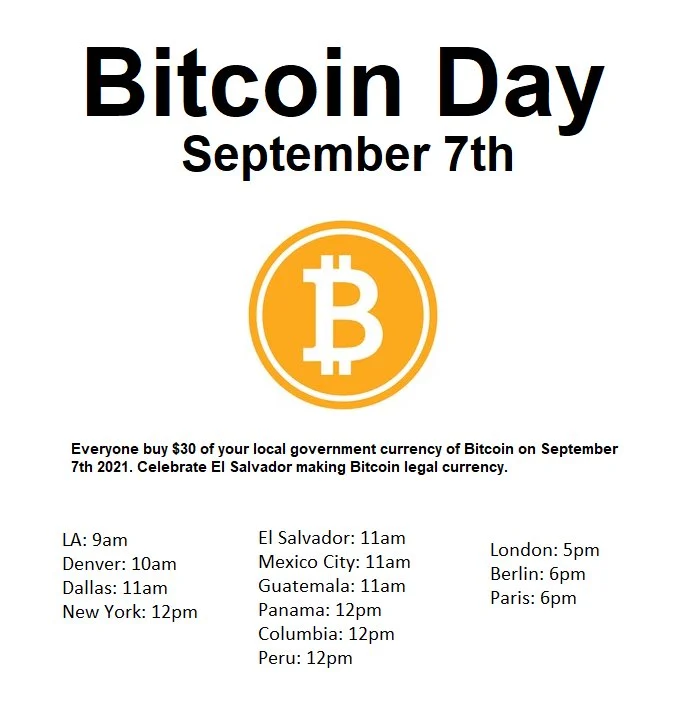
The global reaction to El Salvador’s Bitcoin Law did not begin in the halls of international financial institutions or among central bank governors. It began in the digital trenches of Reddit. A single, unassuming post in the /r/Bitcoin community posed a seemingly simple question: "So… We all buying $30 worth of Bitcoin on Tuesday?"
The proposal was designed to be symbolic rather than predatory. By encouraging users to purchase $30 worth of BTC—an amount accessible to almost anyone—the organizers sought to demonstrate solidarity with the Salvadoran people without attempting to artificially "pump" the market. However, the viral nature of the movement quickly surpassed the expectations of its creators. At the time of writing, the thread has garnered over 8,900 upvotes and more than 2,200 comments, reflecting a level of global engagement rarely seen for a grassroots digital initiative.
The sentiment among the community is polarized yet passionate. While some users are treating this as a celebratory act of financial sovereignty, others have expressed skepticism. One user noted, "I will buy $3000 Tuesday to cover 99 others who aren’t able to pay," underscoring the altruistic spirit of the movement. Conversely, critics have voiced concerns regarding the optics of such coordination. "Sure. Let’s just coordinate a $100 million pump of BTC. Correct me if I’m wrong, but this sounds greasy," one detractor warned, highlighting the thin line between community support and market manipulation.
A Chronology of the Adoption
The timeline leading up to September 7, 2021, is marked by rapid-fire legislative and social developments:
- June 2021: President Nayib Bukele shocks the global financial community at the Bitcoin 2021 conference in Miami by announcing his intention to make Bitcoin legal tender.
- June 9, 2021: The Legislative Assembly of El Salvador officially passes the Bitcoin Law with a supermajority, setting the stage for a 90-day implementation period.
- August 2021: Technical infrastructure, including the government-backed "Chivo" wallet and physical ATM networks, is rolled out across the country.
- September 6, 2021: Social media campaigns reach a fever pitch. Bitcoiners from South Korea to Brazil and beyond synchronize their efforts to coincide with the official launch.
- September 7, 2021: The law takes full effect. Every business in El Salvador is now legally required to accept Bitcoin as a payment method, provided they have the technological capacity to do so.
The Multi-Layered Impact of "Plebs" and Titans
The movement has transcended Reddit, permeating every corner of the internet. On Twitter, the "Bitcoin Plebs"—a term of endearment for the decentralized, retail base of the Bitcoin community—have mobilized through memes and shared iconography.
One particularly viral piece of digital art utilized scenes from the classic 1983 comedy Trading Places, humorously recasting gold advocate Peter Schiff and economist Nouriel Roubini in a satirical narrative surrounding the legislation. This infusion of humor, however, belies a serious intent. Even corporate heavyweights have joined the fray. Michael Saylor, CEO of MicroStrategy and a vocal Bitcoin proponent, has used his significant platform to amplify the message, further legitimizing the grassroots campaign to his millions of followers.
This high-profile endorsement has, predictably, fueled speculation. Financial analysts and skeptical traders have raised red flags, suggesting that the coordinated buying effort might be a "bull trap" or a setup for a significant market correction. "Everyone needs to be aware that this could possibly be leading the sheep to their death," one commentator warned, pointing to the 70.2% retracement levels observed in previous technical analyses.
Global Solidarity: A Transnational Phenomenon
The movement’s international scope is perhaps its most fascinating attribute. Evidence of this global alignment is visible in the cross-pollination of the $30-buy order across various languages and cultures.
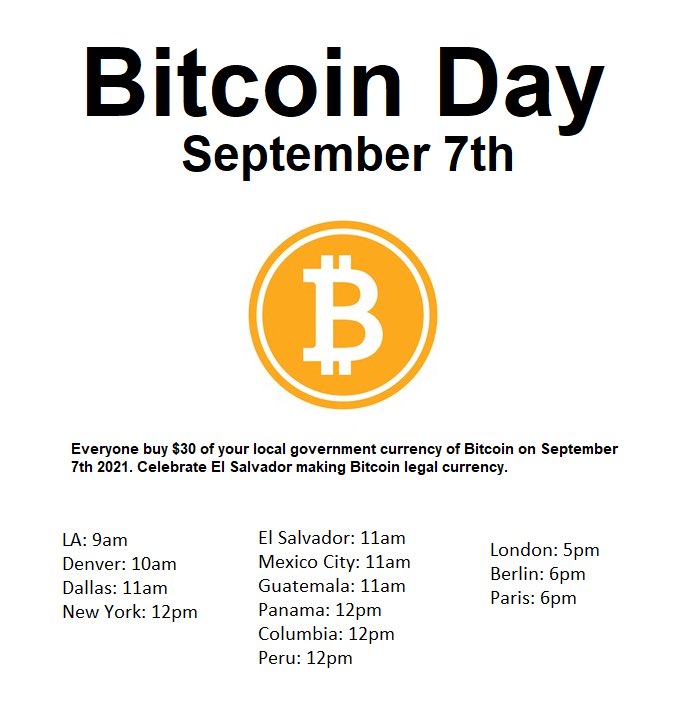
In Brazil, for instance, the community has linked the act of purchasing Bitcoin to their own Independence Day, which also falls on September 7th. This intersection of national identity and digital currency adoption provides a compelling narrative of how Bitcoin is being viewed as a tool for liberation worldwide. Despite the linguistic barriers, the underlying message remains consistent: the "Satoshi Nakamoney" character, a recurring mascot in these online circles, has even issued a "call to arms," specifying 3:00 PM (El Salvador time) as the targeted moment for the collective purchase.
Official Responses and the Institutional Stance
The response from official channels has been cautious. While the IMF and the World Bank have publicly expressed "concerns" regarding the volatility and regulatory implications of El Salvador’s move, the Bukele administration remains steadfast. President Bukele has positioned this move as a way to lower remittance costs—which represent a massive portion of the nation’s GDP—and to bank the unbanked.
For institutional investors, the "Legal Tender Day" is a test of infrastructure. Will the Chivo wallet hold up under the weight of thousands of transactions? Will the price of Bitcoin experience extreme volatility, or will the "buy the news" crowd be met with a surprise supply crunch?
Implications: The Long-Term Outlook
As the dust settles on this historic day, the broader implications remain to be seen. The experiment in El Salvador is not merely about currency; it is about the decentralization of power.
1. Remittance Revolution
If successful, El Salvador could become a blueprint for developing nations struggling with high inflation and reliance on foreign fiat currency. By bypassing traditional wire services, the nation could theoretically save millions in fees, directly benefiting its citizens.
2. Regulatory Precedent
The global regulatory community is watching closely. If El Salvador’s economy remains stable—or thrives—it will become increasingly difficult for other nations to dismiss Bitcoin as merely a speculative asset. This could trigger a domino effect of adoption across emerging markets.
3. The Test of Resilience
For the Bitcoin community, this day serves as a litmus test for the network’s resilience. If a whole nation can successfully transition to a digital, borderless currency, the "hardest money ever created" narrative will gain unprecedented credibility.
Conclusion: A Turning Point in Financial History
The collective action of buying $30 in Bitcoin is, in many ways, a symbolic ritual. It is a way for a distributed, global community to participate in a piece of history that they feel a deep, philosophical connection to. Whether this results in a short-term price spike or a quiet day of trading is ultimately secondary to the message being sent: that a new financial paradigm is being built from the bottom up.
As we look toward the future, the events of this day will likely be remembered as the moment the "Bitcoin experiment" officially moved from the digital realm into the halls of governance. The world is watching, the memes are flowing, and the network is processing. The Bitcoin Standard has arrived in El Salvador—and for the rest of the world, the conversation has only just begun.
