

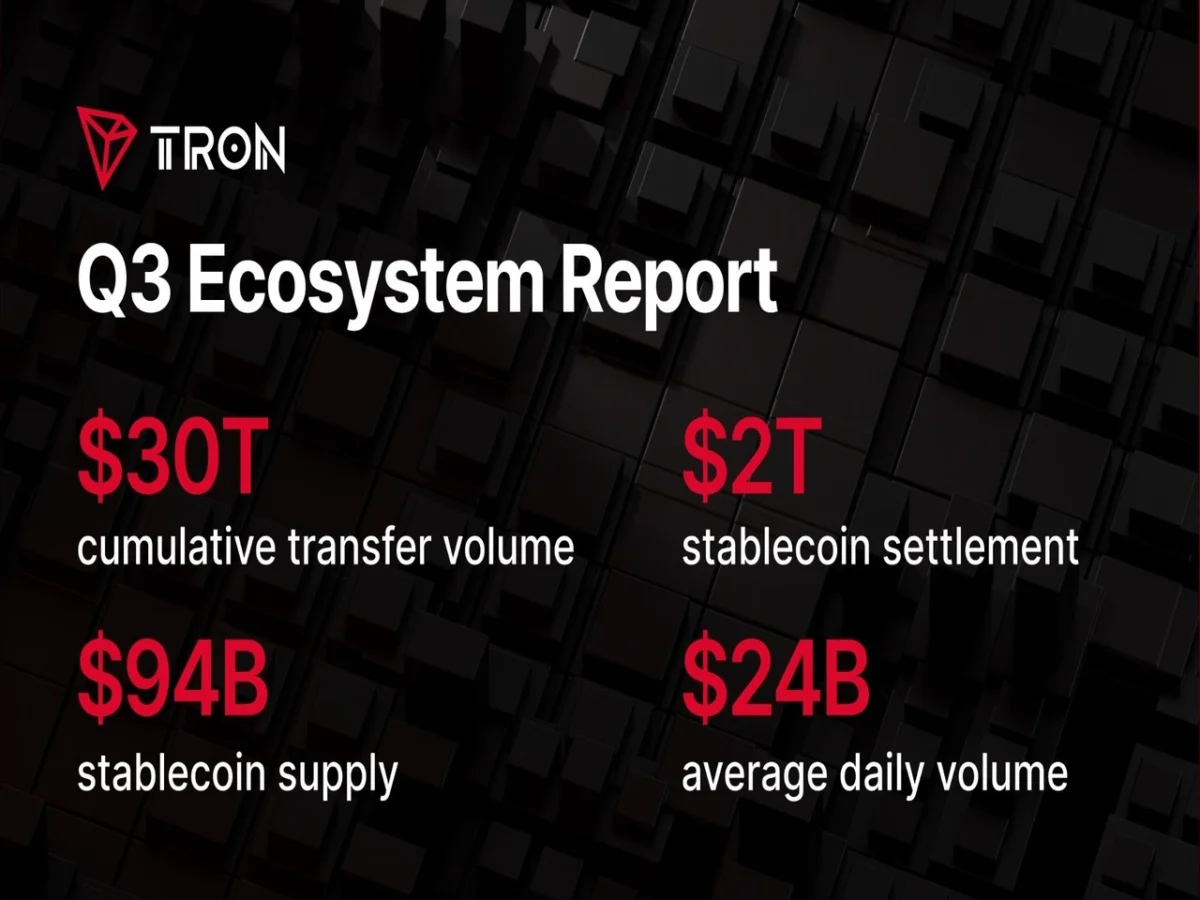
GENEVA, Switzerland — October 12, 2026 — The TRON DAO, the governing body steering one of the world’s most prominent decentralized blockchain networks, has released its highly anticipated "State of TRON" ecosystem report for the third quarter of 2026. The findings paint a picture of a network undergoing a significant maturity phase, characterized by massive institutional adoption, an aggressive expansion of cross-chain interoperability, and the solidification of its position as the global settlement layer for stablecoin transactions.
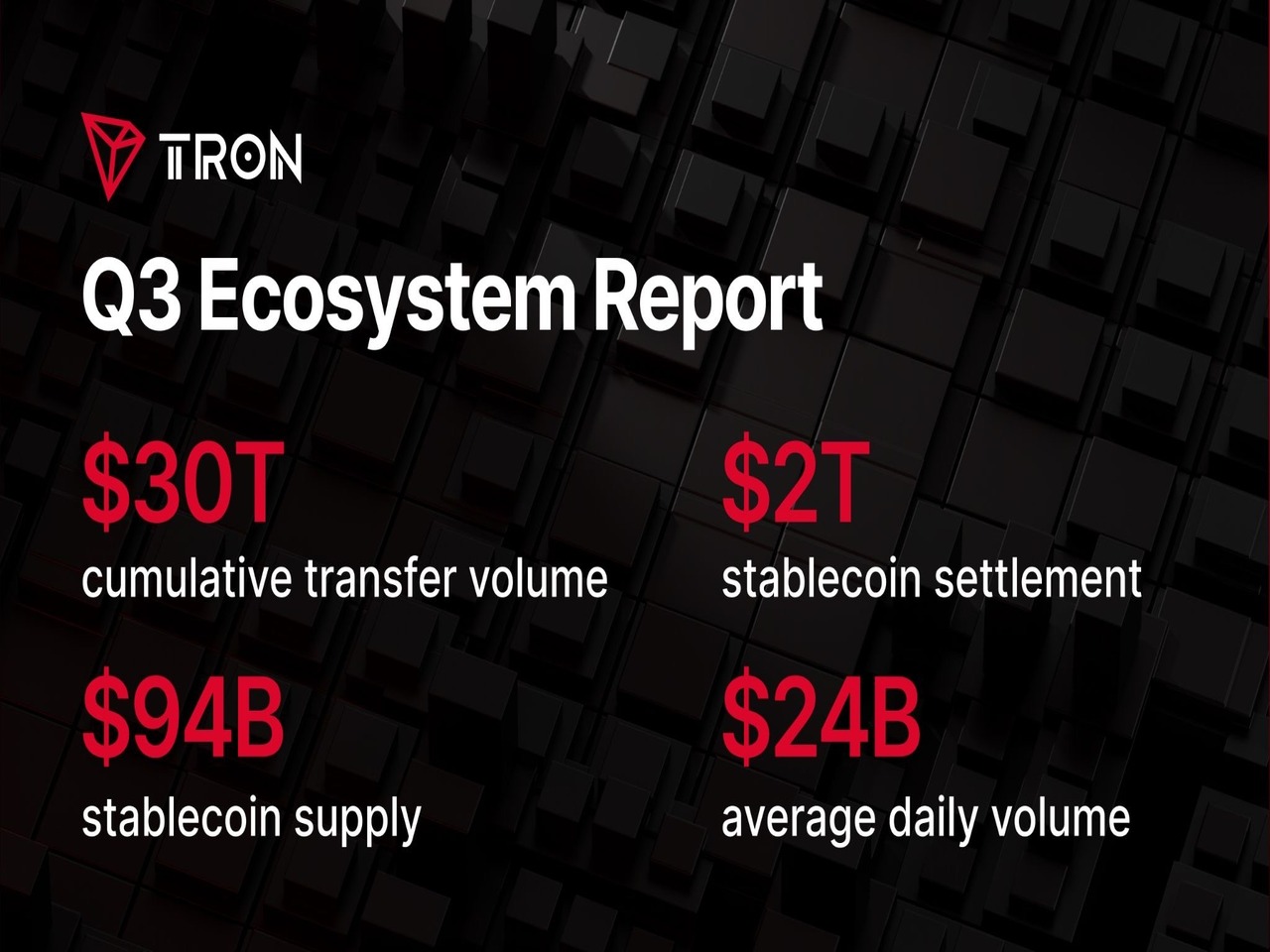
The headline figure from the report—a cumulative transaction volume exceeding $30 trillion—serves as a testament to the network’s increasing utility in the realm of high-frequency finance and digital asset transfers. As TRON enters the final quarter of 2026, its role as a bedrock for global stablecoin liquidity has never been more pronounced.
The Core Data: A Quarter of Unprecedented Scale
The third quarter of 2026 was marked by consistent growth across all primary KPIs. While the broader cryptocurrency market experienced varying degrees of volatility, the TRON network remained an outlier in terms of utility-driven volume.
Transaction Volume and Network Activity
Surpassing the $30 trillion cumulative transaction milestone is not merely a vanity metric; it represents the velocity of capital moving through the TRON ecosystem. According to the report, this growth was fueled primarily by the demand for USDT and other stablecoins, which utilize TRON’s low-latency, high-throughput architecture to facilitate cross-border settlements that traditional banking systems often struggle to process with similar speed or cost-efficiency.
Liquidity and Stablecoin Dominance
The TRON blockchain currently holds the largest circulating supply of USD Tether (USDT) globally. The Q3 report highlights that this supply continued to expand throughout the quarter, further bolstered by the integration of additional stablecoin assets. Total Value Locked (TVL) on the network, which stands at over $28 billion as of October 2026, reflects a deep and liquid DeFi ecosystem where users are increasingly comfortable deploying capital into decentralized lending, borrowing, and yield-generating protocols.
Chronology of Innovation: Q3 2026 Integrations
The success of TRON in Q3 was not passive; it was the result of a deliberate, multi-pronged strategy to bridge the gap between traditional institutional finance and the decentralized web. The following milestones illustrate the network’s trajectory throughout the quarter:
July: Institutional On-ramps and Custody
The quarter began with significant momentum in the institutional sector. Anchorage Digital, a leader in digital asset custody, officially added TRX staking and TRC-20 token support to its platform. This development allowed institutional players—who had previously been sidelined by regulatory and custody concerns—to gain exposure to the TRON ecosystem with the security and compliance frameworks they require.
August: Expanding the Stablecoin and DeFi Horizon
In August, the ecosystem saw the arrival of Ethena’s USDe and sUSDe, adding a new dimension of yield-bearing stablecoin assets to the network. Simultaneously, the integration of Ducat’s Bitcoin-backed financial infrastructure signaled a shift toward connecting the largest crypto asset (BTC) with the most used stablecoin settlement layer (TRON).
September: Developer Experience and User Accessibility
The final month of the quarter focused heavily on lowering the barrier to entry for end-users. The introduction of "gasless transactions" via MoonPay and Trust Wallet was a watershed moment. By abstracting away the need for users to hold native TRX just to perform transactions, TRON effectively moved closer to the "invisible blockchain" model that is necessary for mass adoption. Furthermore, the expansion of MetaMask connectivity across major TRON-native protocols like SUN.io and JustLend DAO unified the developer and user experience, making it easier than ever for Ethereum-native users to migrate to the TRON ecosystem.
Deep Dive: Supporting Data and Ecosystem Health
The resilience of the TRON network is not just found in its transaction volume, but in its underlying infrastructure and security robustness.
Infrastructure Growth
- Wallet Interoperability: With Bitcoin.com Wallet adding native support for TRX and USDT-TRC20, the footprint of the TRON ecosystem has expanded significantly into the Bitcoin-centric user demographic.
- Security and Tooling: The integration of OpenZeppelin’s smart contract libraries and security tooling in Q3 represents a major step forward for the network’s developer ecosystem. By providing industry-standard security audits and pre-audited code blocks, TRON is lowering the risk profile for new dApps entering the ecosystem.
- Cross-Chain Connectivity: The work done by Eco and STON.fi to expand cross-chain stablecoin connectivity is vital. As the industry moves toward a multi-chain future, the ability for assets to flow seamlessly between TRON and other chains without relying on centralized bridges is a critical component of its long-term viability.
Developer Sentiment
The report notes a steady increase in developer activity. With tools like Privy simplifying wallet and policy management, the network has seen a surge in projects focused on payments, treasury management, and institutional-grade DeFi.
Official Perspective: The Vision of TRON DAO
The leadership at TRON DAO remains steadfast in its mission: "Moving Trillions, Empowering Billions." In a statement accompanying the report, the DAO emphasized that the focus for 2026 remains on decentralization and accessibility.
"The numbers we are seeing are a reflection of real-world demand," said a spokesperson for the DAO. "When a merchant in a developing economy or an institution in a global financial hub needs to move value, they are increasingly choosing TRON. Our goal is to ensure that the infrastructure remains robust, secure, and accessible to anyone, anywhere, regardless of their technical expertise."
The DAO noted that the integration of Fireblocks Flow for payments and KiiChain for foreign exchange capabilities underscores the network’s pivot toward being a true global financial settlement layer. By linking traditional forex markets with decentralized payment rails, TRON is carving out a niche that is increasingly difficult for legacy systems to compete with.
Implications: The Path to Q4 and Beyond
As TRON transitions into the fourth quarter of 2026, the implications of its Q3 performance are significant for the broader crypto industry.
1. The Stablecoin Settlement Standard
TRON has effectively cemented itself as the "go-to" network for USDT. This provides a level of network effect that is difficult to disrupt. As stablecoins become more integrated into payroll, cross-border commerce, and supply chain finance, TRON’s role as the primary settlement layer will likely continue to grow.
2. Institutional Legitimacy
The successful onboarding of custody providers and the integration of institutional-grade security tools like OpenZeppelin indicate that TRON is no longer viewed as a "retail-only" chain. The focus on compliance, security, and custody suggests that the network is positioning itself to be the preferred partner for regulated financial institutions entering the digital asset space.
3. The Future of User Experience
The success of gasless transactions in Q3 suggests that the "abstraction layer" will be the primary focus of development in Q4. If TRON can continue to reduce the friction of blockchain interaction, it will likely see a surge in non-technical users who are interested in the benefits of stablecoins but are deterred by the complexities of blockchain wallets and gas fees.
4. Regulatory Resilience
By maintaining a community-governed DAO structure and prioritizing open-source development, TRON is positioning itself as a decentralized, global utility. This structure offers a level of resilience against localized regulatory shifts, as the network operates across a distributed set of validators and developers worldwide.
Conclusion: A Mature Ecosystem
The State of TRON Q3 2026 report paints a picture of a project that has moved well beyond its initial experimental phase. With over 408 million user accounts and 15 billion total transactions, the network has reached a level of scale that few blockchain projects can claim.
The strategy for the coming months appears clear: deepen the integration with traditional finance, improve the developer tooling to attract higher-quality dApps, and continue to abstract the technical complexities of blockchain to ensure that the "Empowering Billions" vision becomes a reality. As the world watches to see how the regulatory and economic landscapes evolve in late 2026, TRON stands as one of the most critical pieces of infrastructure in the global digital economy.
For those interested in the granular data and technical breakdown, the full State of TRON Q3 2026 report is available through the official TRON DAO Research portal.
About TRON DAO
TRON DAO is a community-governed organization dedicated to accelerating the decentralization of the internet via blockchain technology and decentralized applications (dApps). Founded in September 2017, TRON has grown into one of the most widely used networks in the world, hosting the largest circulating supply of USD Tether (USDT) and providing a secure, high-throughput environment for global digital asset transactions.
