

In a landmark development for the decentralized finance (DeFi) sector, Uniswap has officially launched its first-ever "permissioned pools," marking a significant evolution in the protocol’s architecture. By leveraging the advanced capabilities of Uniswap V4, the platform is integrating restricted trading environments to accommodate regulated, tokenized real-world assets (RWAs). This move, executed in strategic partnership with industry stalwarts Securitize, Superstate, and Dowgo, signals a fundamental shift in how decentralized exchanges (DEXs) approach the intersection of on-chain efficiency and institutional compliance.
For the broader cryptocurrency market, this represents a daring "bridge-building" exercise. As Uniswap attempts to reconcile the ethos of permissionless decentralization with the rigid demands of global financial regulators, the industry is watching closely to see if this hybrid model can successfully tap into the projected $11 trillion tokenized asset market.
Main Facts: The Architecture of Compliance
The core of this transition lies in the deployment of "hooks" within the Uniswap V4 ecosystem. These modular code segments allow developers to customize pool behavior, effectively enabling the creation of restricted liquidity environments.
Under this new framework, pools designated for tokenized stocks and exchange-traded funds (ETFs) will operate under a strict allowlist. Unlike traditional Uniswap pools, where any wallet can interact with liquidity, these new permissioned pools will verify the identity of participants. Any wallet associated with sanctioned entities or non-compliant actors will be automatically flagged and denied access.
Key Components of the Rollout:
- Permissioned Access: Swaps and liquidity provision are restricted to pre-approved, KYC-verified wallets.
- Regulatory Alignment: Automated compliance checks ensure that every transaction adheres to existing securities laws.
- Strategic Partnerships: Collaborations with Securitize, Superstate, and Dowgo provide the necessary infrastructure for RWA issuers to bring regulated products on-chain.
- Technological Foundation: The Uniswap V4 hook system allows for these granular controls without compromising the underlying security of the V4 automated market maker (AMM).
Chronology: The Road to Permissioned DeFi
The journey toward this integration was not instantaneous; it was the result of a multi-year maturation process in the DeFi landscape.
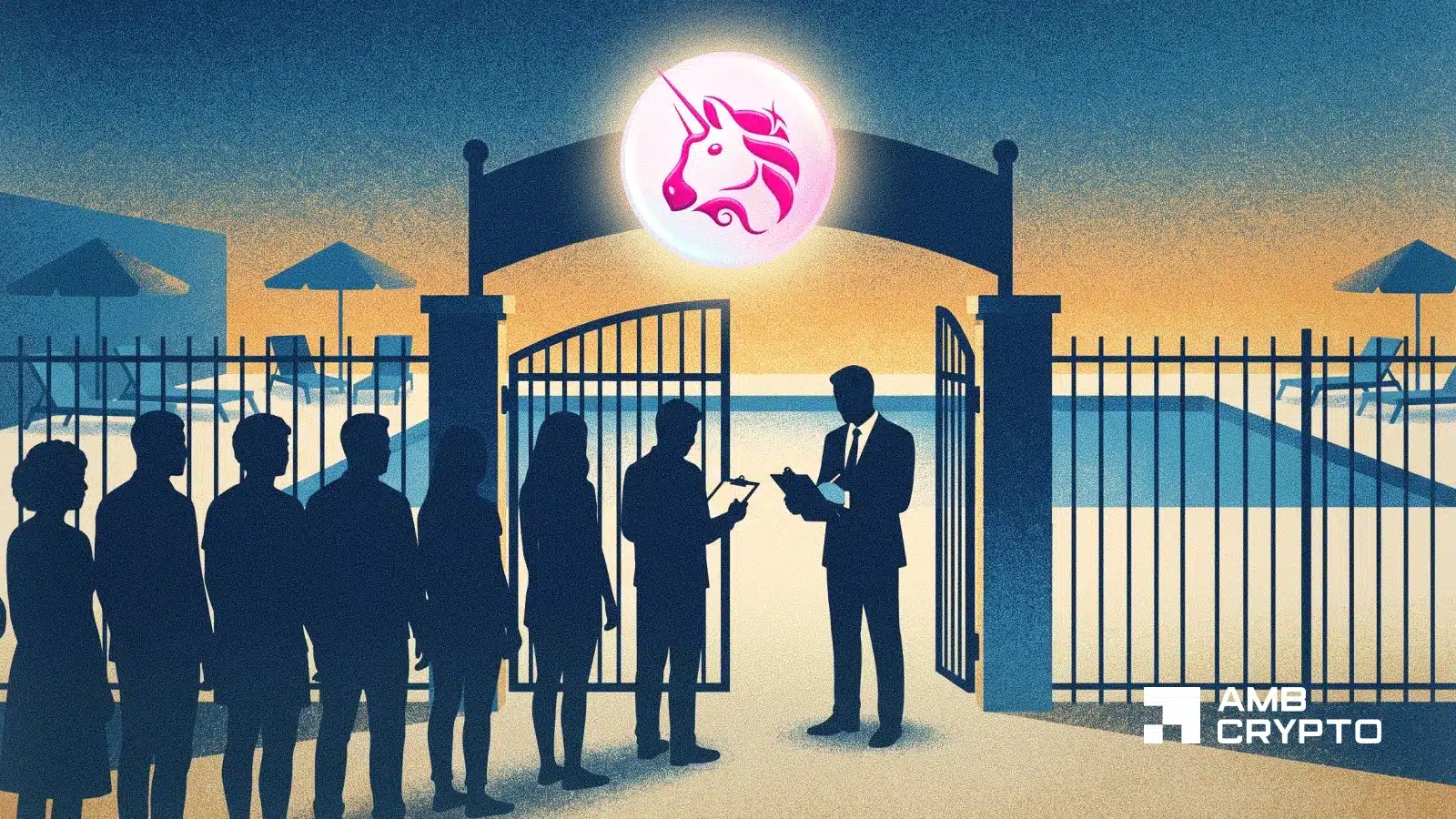
- 2020–2022 (The "Wild West" Phase): Uniswap solidified its position as the leading DEX, prioritizing pure permissionless liquidity. During this period, the protocol faced increasing pressure as the SEC and other global regulators began scrutinizing DeFi platforms.
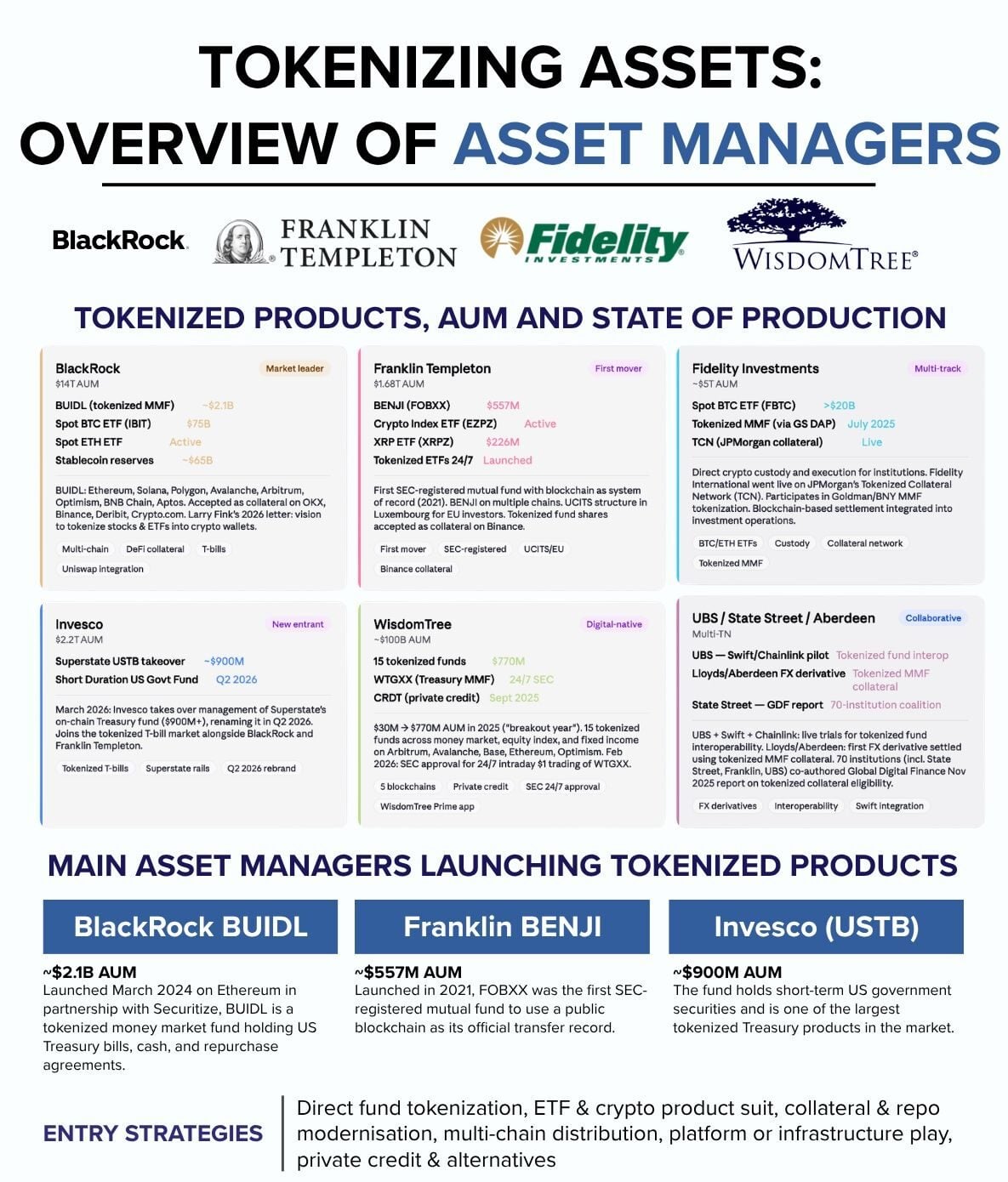
- 2023 (The Institutional Interest Surge): Major financial players began exploring the tokenization of Treasury bills and private credit. The need for a regulated, on-chain secondary market became apparent.
- Early 2024 (V4 Development): The announcement of Uniswap V4’s "hooks" feature provided the technical blueprint for modularity. Developers realized that permissioning could be implemented as a programmable layer rather than a core protocol constraint.
- July 2026 (Official Launch): Following months of testing, Uniswap finalized the integration with key RWA partners, officially opening the door for regulated financial instruments to trade within the Uniswap ecosystem.
Supporting Data: The $11 Trillion Opportunity
The shift toward permissioned pools is not merely a philosophical pivot; it is a calculated business strategy driven by massive market forecasts.
Current estimates value the tokenized asset sector at approximately $36 billion. However, institutional analysts project this figure will balloon to $11 trillion within the next four years. By positioning itself as the primary infrastructure for this transition, Uniswap is vying for a dominant share of the trading volume that will inevitably migrate from legacy financial systems to blockchain rails.
Financial Health and Growth Metrics
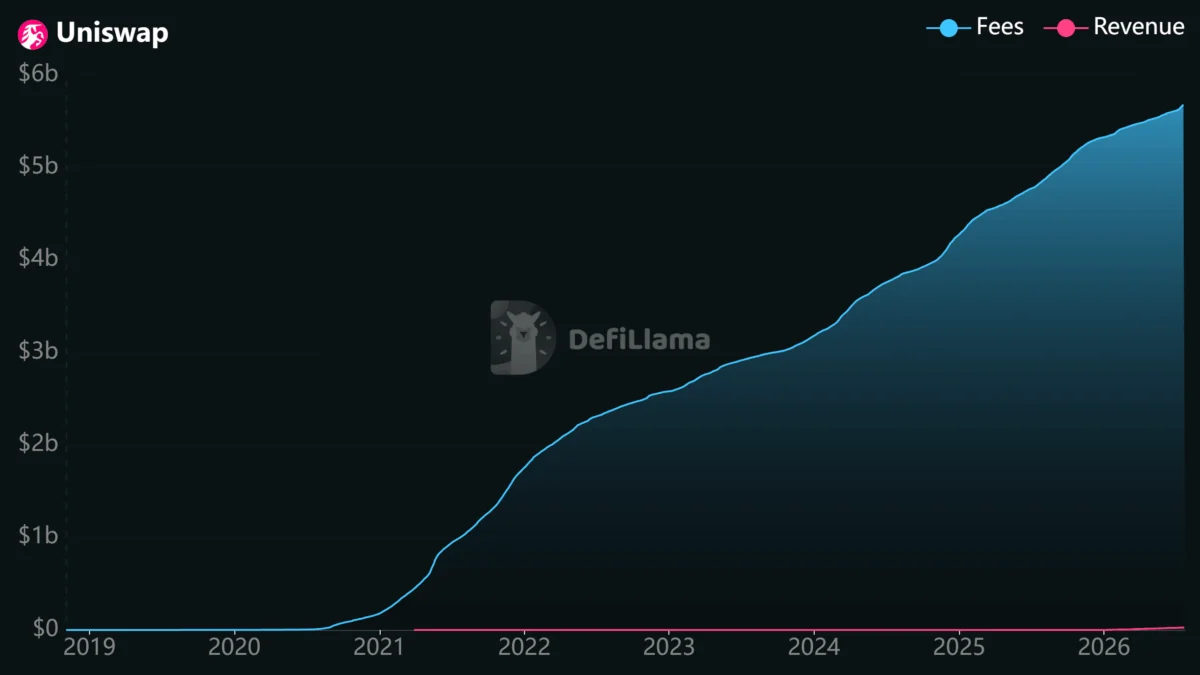
Despite the focus on compliance, Uniswap’s underlying economic model remains robust. The protocol has generated a cumulative $5.6 billion in fees since inception, with a significant portion allocated to liquidity providers. While protocol revenue—the portion retained by the platform—has historically hovered around $27 million, the introduction of fee-sharing mechanisms and institutional-grade trading pools is expected to catalyze a new wave of growth.
Furthermore, the protocol’s token-burning mechanism remains active. In 2026 alone, the project has successfully burned between 6 and 8 million UNI tokens, averaging nearly 1 million UNI per month. This reduction in circulating supply, combined with increased utility through fee-sharing, has bolstered investor sentiment.
Official Responses and Industry Context
Uniswap CEO Hayden Adams has been vocal about the necessity of this evolution, emphasizing that the protocol’s goal is to serve as the universal infrastructure for all on-chain trading.
"The Uniswap protocol is infrastructure for all on-chain trading," Adams noted in a recent statement. "Some regulated tokens and use cases require permissioned trading. Uniswap v4 can now more easily support these use cases through this new hook."
The Regulatory Friction
However, the path to integration has been met with resistance. Traditional stock exchanges and high-frequency trading firms, such as Citadel Securities, have been vocal in their opposition to DeFi platforms seeking exemptions from standard disclosure requirements. These legacy players argue that the "technological neutrality" of the SEC should not be an excuse to bypass the compliance burdens that traditional firms are required to uphold.
By implementing these permissioned pools, Uniswap is effectively neutralizing these arguments. By adopting the same disclosure and monitoring requirements as traditional markets, Uniswap is effectively challenging regulators to define whether "code" can satisfy "compliance" as effectively as a centralized intermediary.
Implications: The Future of DeFi
The launch of permissioned pools carries profound implications for the future of the decentralized ecosystem.
1. The "Hybrid" Model
Uniswap is effectively creating a tiered ecosystem. While the classic, permissionless Uniswap remains for retail users and crypto-native assets, the new V4 pools create a parallel track for institutional capital. This hybrid model may well become the standard for the next decade of finance, where the efficiency of the AMM is married to the legal rigor of TradFi.
2. Market Impact on UNI
The market has responded with optimism. Following the announcement and a broader trend of increased traction—including the recent integration with the Robinhood Chain—the UNI token surged by over 61% from its June lows. Trading at approximately $3.84 at press time, the token is currently testing long-term bullish levels above the 200-day Moving Average. Analysts suggest that if the protocol captures even a small fraction of the projected $11 trillion tokenization market, the upside potential for the UNI token could be substantial.
3. Regulatory Precedent
This move sets a powerful precedent. If Uniswap—the world’s largest DEX—can implement KYC and sanction screening at the protocol level, it leaves little room for other DeFi projects to claim that compliance is "technically impossible." This could usher in a period of intense regulatory integration, where the "DeFi vs. CeFi" debate begins to blur into a singular, integrated financial system.
4. Risks and Challenges
Despite the potential, the strategy is not without risks. Purists in the DeFi community may view this as a form of "centralization," potentially fracturing the community or leading to the emergence of alternative, strictly permissionless forks. Additionally, the legal liability of providing infrastructure for regulated securities remains an untested area of case law. Should a permissioned pool be exploited or experience a regulatory breach, the legal fallout could reach the developers and the DAO itself.
Conclusion
Uniswap’s move into permissioned liquidity is a defining moment for the maturity of decentralized finance. By acknowledging that institutional capital requires a different set of rules, the protocol is not abandoning its roots; rather, it is evolving to meet the demands of a global financial system that is rapidly tokenizing.
As the industry moves toward 2030, the success of this initiative will likely determine whether DeFi remains a niche playground for crypto-assets or becomes the foundational layer for the world’s financial markets. For investors, developers, and regulators alike, the next 24 months will be critical in observing how this "compliant decentralization" scales and whether it can withstand the scrutiny of the global financial establishment.
