

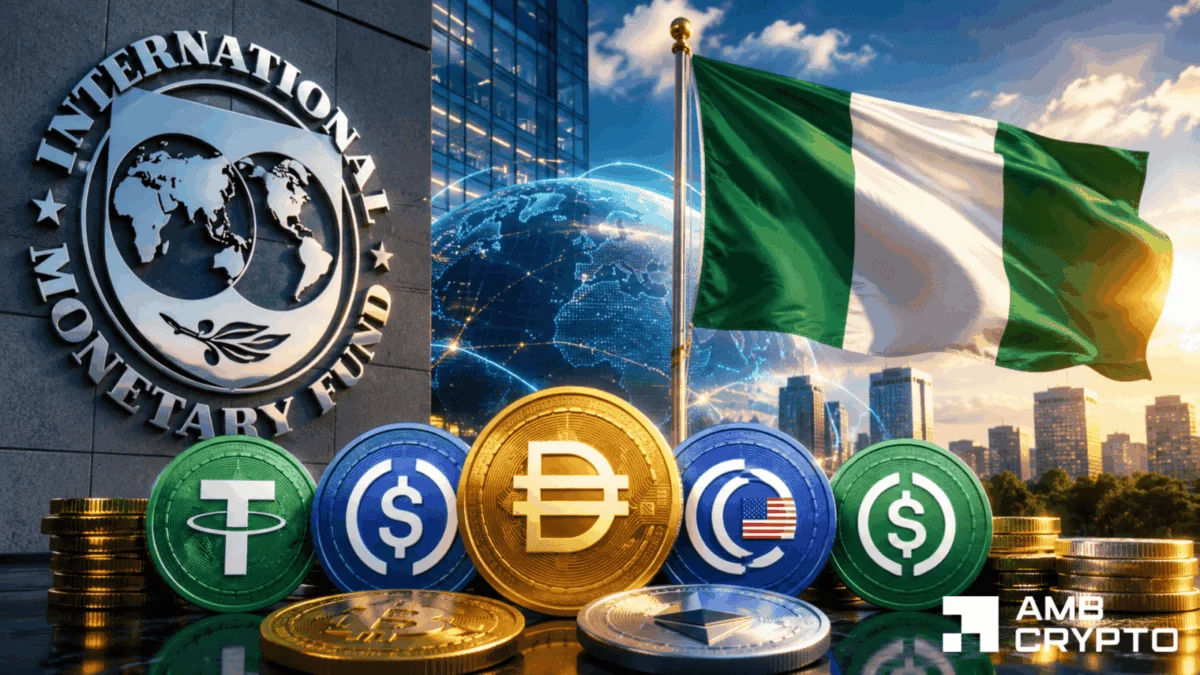
In the bustling corridors of Lagos and the digital wallets of millions of Nigerians, a quiet revolution is unfolding. What was once dismissed by global financial observers as a speculative playground for tech-savvy youth has evolved into a robust, indispensable utility. According to a landmark report released by the International Monetary Fund (IMF) on June 16, stablecoins have transcended their niche origins to become a primary conduit for cross-border payments in Nigeria, Africa’s most populous nation and largest economy.
As households and businesses grapple with the erosion of purchasing power and the persistent friction of traditional banking, they are increasingly turning to dollar-pegged digital assets. This shift is not merely a technological trend; it is a profound structural adaptation to the realities of a volatile macroeconomic environment.
The Genesis of a Digital Shift: A Chronology of Adoption
The journey of stablecoins in Nigeria has been anything but linear. It is a story of economic necessity meeting digital innovation.
- Pre-2021: The Rise of Crypto-Awareness: Bitcoin and other cryptocurrencies began gaining traction as a store of value among the Nigerian youth, who sought to hedge against the gradual decline of the naira.
- 2021: The Regulatory Crackdown: In a move to protect the integrity of the domestic banking system, the Central Bank of Nigeria (CBN) issued a directive prohibiting commercial banks from servicing cryptocurrency exchanges. The intent was to curb capital flight and illicit flows, but the outcome was an unexpected surge in peer-to-peer (P2P) trading.
- 2022–2023: The Inflationary Pressure Cooker: As the naira faced successive devaluations and inflation soared to multi-decade highs, the demand for dollar-denominated assets skyrocketed. Stablecoins—digital tokens pegged 1:1 to the U.S. dollar, such as USDT and USDC—emerged as the most accessible "digital dollars" for the average citizen.
- 2024: Institutional Recognition: The IMF’s latest report marks a turning point. It is no longer a fringe phenomenon; the global lender now officially recognizes stablecoins as a major cross-border payment channel that regulators can no longer ignore.
The Data Behind the Disruption
The scale of this adoption is staggering. Between July 2023 and June 2024 alone, Nigeria recorded approximately $59 billion in crypto-asset inflows. This figure underscores the depth of the country’s integration into the global digital asset ecosystem.
More tellingly, Nigeria accounts for roughly 60% of all stablecoin inflows into the entire sub-Saharan African region since 2019. These are not merely trading volumes; they represent the movement of capital for remittances, international trade settlements, and personal liquidity management. When traditional banks fail to provide efficient FX access, or when transfer fees through legacy platforms like SWIFT become prohibitively expensive, stablecoins provide a seamless, 24/7 alternative that operates outside the traditional "banking hours" and "correspondent banking" bottlenecks.
The Drivers: Why Nigerians Are Choosing Stablecoins
The IMF report identifies a convergence of four primary factors driving this "digital migration":
- Naira Volatility: The persistent depreciation of the local currency has made holding naira a high-risk endeavor for both individuals and SMEs. Stablecoins allow users to hold "digital dollars," effectively insulating their capital from domestic currency fluctuations.
- Foreign Exchange Shortages: Obtaining U.S. dollars through official banking channels in Nigeria has historically been difficult, marred by long wait times and bureaucratic red tape. Stablecoins bypass these administrative hurdles, offering instant liquidity.
- High Transaction Costs: Legacy cross-border payment systems are notoriously expensive, often taking days to settle and incurring heavy fees. Stablecoins offer near-instant settlement at a fraction of the cost.
- Limited Banking Access: A significant portion of the Nigerian population remains underbanked. Mobile-based crypto wallets have democratized access to global financial tools, allowing those excluded from the traditional system to participate in international trade.
The IMF’s Warning: The Risks of ‘Digital Dollarization’
While the IMF acknowledges that stablecoins solve immediate pain points, it sounds a stern alarm regarding the long-term macroeconomic consequences. The primary concern is "digital dollarization."
As a growing volume of economic activity is denominated in stablecoins rather than the naira, the domestic currency risks being sidelined. This process, if left unchecked, could significantly weaken the Central Bank’s ability to conduct effective monetary policy. When a significant portion of the economy operates in a dollar-pegged digital environment, the traditional tools of interest rate adjustments and money supply management lose their potency.
Furthermore, the shift toward P2P and decentralized platforms creates a "blind spot" for regulators. The IMF highlighted that as financial activity migrates away from regulated banks toward digital wallets, the ability of authorities to monitor for illicit financial flows, money laundering, and terrorism financing becomes increasingly compromised.
The Path Forward: Regulation Over Suppression
In a pivot from its historical stance, the IMF’s recent report suggests that attempting to "suppress" or ban stablecoin usage is a futile exercise. The demand is driven by fundamental economic inefficiencies; as long as those inefficiencies exist, users will find a way to circumvent bans.
Instead, the IMF advocates for a balanced regulatory framework. Key recommendations include:
- Comprehensive Monitoring: Developing robust tools to track and analyze crypto-asset flows, ensuring transparency without stifling innovation.
- Risk-Based Oversight: Focusing regulation on the points of friction, such as crypto exchanges and wallet providers, rather than targeting the individual users.
- Global Harmonization: The IMF encourages Nigerian policymakers to align their future regulatory frameworks with the "gold standards" currently emerging in jurisdictions like the European Union (under the MiCA framework), Singapore, Hong Kong, Japan, and the United States. By adopting global standards, Nigeria can foster a safer environment that encourages responsible innovation while mitigating systemic risks.
Beyond Speculation: A New Financial Utility
The evolution of stablecoins in Nigeria reflects a global paradigm shift. We are moving away from an era where crypto was solely an asset class for speculative trading and entering an era where it functions as core financial infrastructure.
In regions characterized by currency volatility and inefficient remittance corridors, stablecoins have effectively become a "shadow" payment system. They are neither a passing trend nor a wholesale replacement for the traditional banking sector. Rather, they represent a market-led response to the failure of legacy systems to evolve at the pace of the modern, globalized economy.
Implications for the Future
For the Nigerian government and the Central Bank, the message is clear: the digital tide cannot be held back. The integration of stablecoins into the economy offers a unique opportunity to modernize the nation’s payment architecture. If the state can transition from an adversarial posture to one of collaborative regulation, it could potentially harness the efficiency of these digital assets to lower the cost of doing business and enhance financial inclusion.
However, the cost of inaction—or continued prohibition—is high. Without a clear legal framework, the "digital dollarization" of the economy will continue in the shadows, potentially leaving the naira vulnerable and the state with limited oversight of its own financial borders.
As the IMF aptly concluded, stablecoins are a symptom of a larger, global quest for faster, cheaper, and more reliable value transfer. For Nigeria, the challenge lies in capturing the benefits of this technology while ensuring that the sovereign currency remains the cornerstone of the national economy. The coming years will be a test of agility for policymakers as they navigate this complex intersection of technology, finance, and national sovereignty.
