

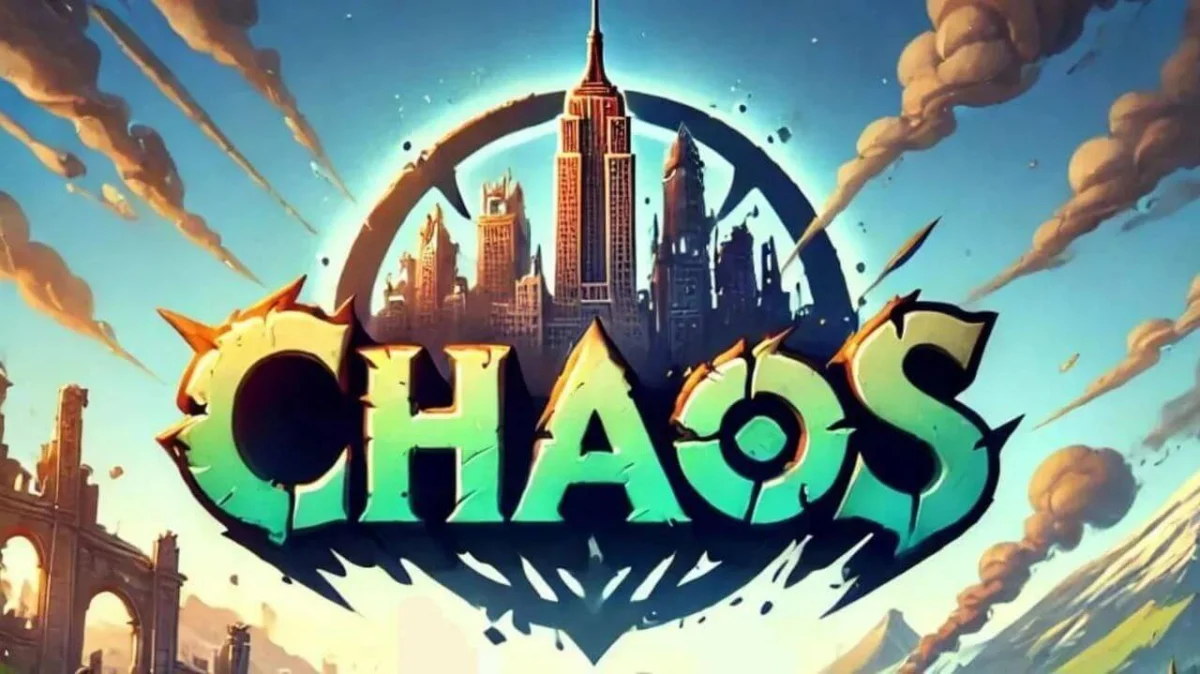
In the rapidly evolving landscape of mobile gaming, few projects have managed to capture the imagination quite like the upcoming MMORPG, Chaos on the Chains. After three years of clandestine development, the team behind this ambitious project is finally pulling back the curtain on a title that seeks to redefine the play-to-earn (P2E) model by merging physical reality with a decentralized, multi-chain digital ecosystem.
By synthesizing Augmented Reality (AR), Artificial Intelligence (AI), and Global Positioning System (GPS) technology within a stylized low-poly aesthetic, Chaos on the Chains is positioning itself as a leader in the next generation of mobile entertainment. As the industry looks toward a future where the "metaverse" is not merely a virtual space but an extension of our physical streets, this game offers a compelling, interactive bridge.
The Core Concept: A Shattered Reality
The narrative premise of Chaos on the Chains is as expansive as its gameplay. A cataclysmic event—a meteorite strike—has effectively shattered the barriers of time and space, causing disparate eras and alien worlds to collide. Ancient knights, futuristic cyborgs, and mythical creatures now occupy the same map, creating a chaotic, persistent open world that demands total strategic mastery.
Unlike traditional MMORPGs that keep players tethered to a digital screen in a stationary environment, Chaos on the Chains forces the game world into the player’s neighborhood. Using precise GPS integration, the game maps in-game territories to real-world geography. Players do not merely click buttons to conquer land; they walk to it, claim it, and defend it. This "Geographic Conquest" mechanic transforms the mundane commute or a walk in the park into a tactical front line.
Chronology of Development
The trajectory of Chaos on the Chains reflects a deliberate, phased approach to game design:
- 2022: The Conceptual Foundation: The development team began mapping out the lore and the technical requirements for integrating a multi-chain economy with location-based services. The focus was on building a low-poly art style that could maintain high performance across a wide variety of mobile hardware.
- 2023: Technical Integration: This year marked the deep integration of AI-driven NPC systems. The team focused on ensuring that the game’s "Chaos Engine" could handle dynamic, evolving quests that respond to player behavior and global events.
- 2024: Beta Testing and Community Building: Throughout the past year, the project transitioned from internal prototypes to controlled beta environments. The focus shifted toward stabilizing the blockchain backend, ensuring that trading and P2E mechanics were seamless and secure.
- 2025: The Launch Year: As the project enters its final stretch of development, the focus has shifted toward the upcoming Token Generation Event (TGE) and a full-scale global rollout. The next few months are slated for final optimization and stress testing of the server infrastructure.
Strategic Depth and Gameplay Mechanics
At its core, the game is a masterclass in strategic survival. Players are not handed victory; they must earn it through a combination of alliance-building, territorial management, and tactical combat.
The Role of AI and AR
The game’s AI-driven NPCs act as dynamic adversaries and quest givers that evolve based on player interactions. Furthermore, the development team has introduced a unique "Live Event" system where they, and occasionally the CEO, make surprise appearances in the game world. These are not merely administrative visits but actual in-game showdowns that can alter the balance of power in specific regions.
Multi-Chain Economy
The economic backbone of Chaos on the Chains is its multi-crypto chain integration. By utilizing a decentralized economy, the game ensures that in-game assets—whether they are legendary weapons, conquered territories, or rare skins—possess tangible value that can be traded across different chains. This approach solves the liquidity issues often found in closed-loop gaming ecosystems, allowing for a more robust and player-driven marketplace.
The Token Generation Event (TGE): A Gateway to Influence
As the project approaches its TGE, the developers are actively inviting the gaming community to take a stake in the project’s future. The TGE is more than just a financial milestone; it is an onboarding process for early adopters who want to influence the development of the ecosystem.
Participants in the TGE receive early access to game assets, including limited-edition equipment and "Founder" status, which provides priority access to future expansion packs. In an era where many blockchain games launch with little more than a promise, the Chaos on the Chains team is betting on community governance and transparency as the primary drivers of long-term retention.
Official Responses and Vision
In recent communications, the leadership team emphasized that Chaos on the Chains is designed to be "ever-evolving." By utilizing a seasonal structure, the developers intend to keep the narrative fresh. Every few months, the "Chaos" shifts, introducing new story arcs, shifting the geopolitical boundaries of the game, and introducing new technological threats that require players to adapt their strategies.
"We aren’t just building a game; we are building a living, breathing conflict," a spokesperson for the project stated. "When you step outside, you aren’t just in your city anymore; you are in a theater of war where your neighbors might be your greatest allies or your fiercest rivals."
Implications for the MMORPG Market
The emergence of Chaos on the Chains highlights a significant shift in the gaming industry. Developers are increasingly moving away from the "siloed" experience of traditional MMORPGs toward "blended" realities.
Impact on Competitive Gaming
The integration of GPS technology introduces a physical component to esports. Strategies that rely on local alliances and real-world meetups could create a new sub-genre of competitive gaming where physical movement and digital strategy are equally weighted.
The Evolution of P2E
Critics of early blockchain gaming often pointed to a lack of "fun" in P2E titles. Chaos on the Chains attempts to flip this script by prioritizing the MMORPG experience first and the blockchain economy second. By ensuring the game is engaging as a standalone product, the developers aim to attract traditional gamers who may be skeptical of crypto, thereby expanding the total addressable market for blockchain-integrated games.
Conclusion: Joining the Movement
As the finish line approaches, the developers are doubling down on community engagement. Whether through their active X.com presence or their Telegram group, the team is fostering a space for players to discuss tactics, trade, and prepare for the inevitable shift in reality.
For those interested in witnessing the intersection of history, technology, and pure gaming chaos, the path forward is clear. By visiting www.chaosonthechains.com, users can sign up for updates and prepare for the TGE. The meteorite has hit, the realms have merged, and the battle for the new world is about to begin. In Chaos on the Chains, the only certainty is that the landscape will never be the same again.
Quick Links for Prospective Players:
- Website: www.chaosonthechains.com
- X (Twitter): Follow the latest updates here
- Telegram: Join the official community
