

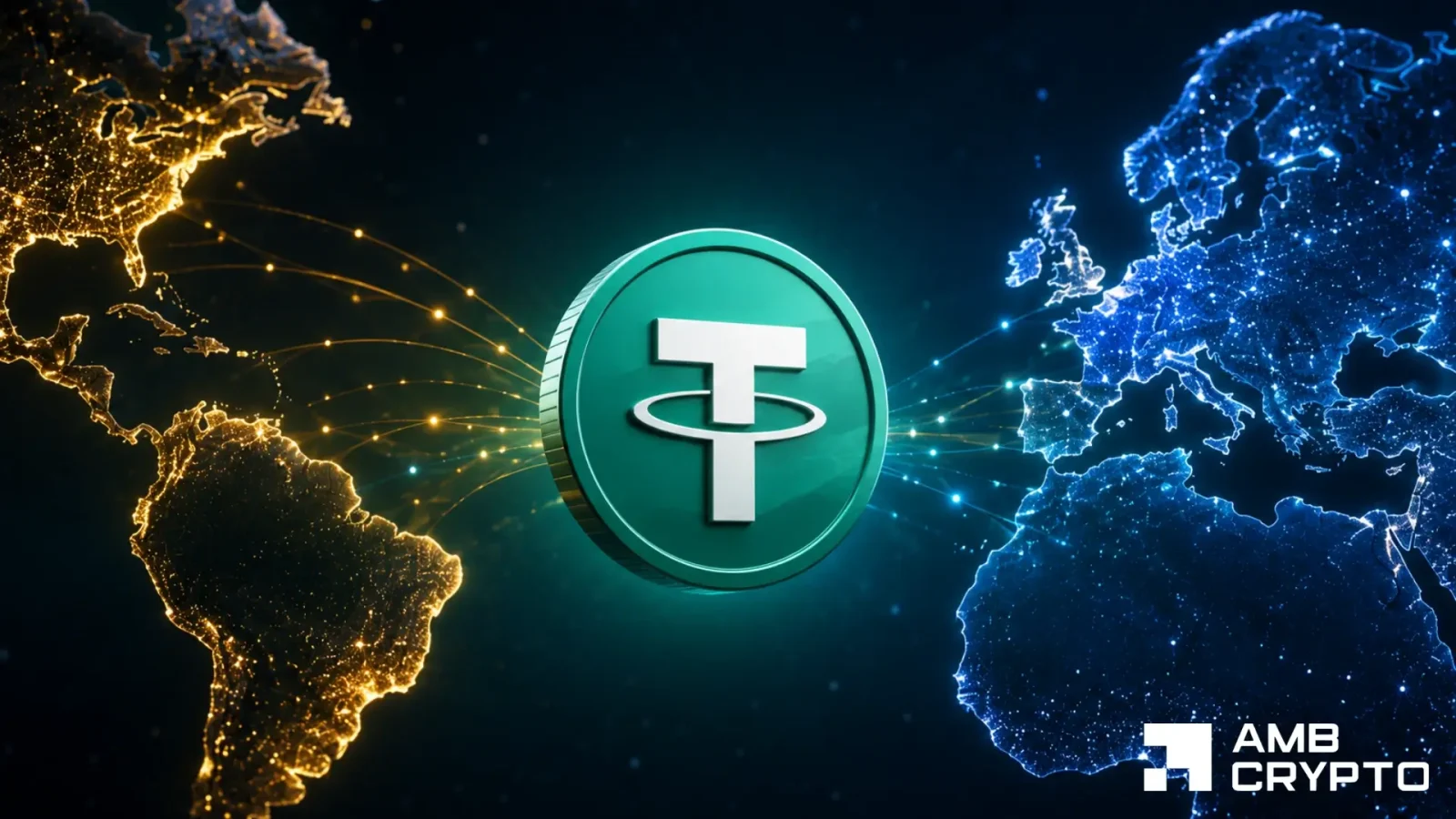
In a strategic maneuver that highlights the shifting geography of the global cryptocurrency industry, Tether, the issuer of the world’s most widely used stablecoin, USDT, has announced a $20 million investment in Mercado Bitcoin (MB). As one of Latin America’s most prominent regulated digital asset platforms, Mercado Bitcoin represents a cornerstone of the burgeoning blockchain ecosystem in Brazil. This capital injection marks a significant pivot for Tether, which appears to be actively diversifying its influence away from increasingly restrictive Western regulatory environments and toward high-growth, emerging markets.
The investment comes at a pivotal moment for the digital asset sector. While Tether faces mounting regulatory headwinds in the European Union due to the implementation of the Markets in Crypto-Assets (MiCA) framework, its commitment to Latin America underscores a deliberate attempt to build a global financial infrastructure that operates independently of traditional, bank-centric legacy systems.
The Core Transaction: Powering Latin American DeFi
The $20 million financing round is designed to bolster Mercado Bitcoin’s existing financial infrastructure. Serving a massive user base of 4.5 million individuals, Mercado Bitcoin has established itself as more than a simple exchange; it is a comprehensive financial hub. The platform offers services ranging from traditional spot trading to sophisticated tokenized assets, decentralized lending, and cross-border payment solutions.
For Tether, the partnership is less about the immediate circulation of USDT and more about the long-term integration of blockchain technology into the mainstream economy. By backing a platform that has already issued over R$2 billion (approximately $360 million USD) in tokenized assets, Tether is securing a foothold in a market that is aggressively adopting on-chain financial services to solve the inefficiencies of the local banking system.
A Chronology of Strategic Expansion
To understand the significance of this move, one must look at the trajectory of both companies over the past 24 months.
- Early 2023: Mercado Bitcoin receives a formal license as a Payment Institution from the Central Bank of Brazil, signaling the maturation of the Brazilian regulatory environment.
- Late 2023: As the European Union prepares for the final rollout of MiCA, Tether begins to signal a shift in focus, pivoting its treasury and venture arms toward infrastructure projects in emerging markets, including energy and data storage.
- July 1, 2024: The MiCA transition period concludes in the European Economic Area (EEA), forcing exchanges like Kraken, OKX, and Revolut to curtail USDT offerings for European users due to Tether’s lack of MiCA-specific authorization.
- Q3 2024: Tether formally announces its $20 million strategic investment in Mercado Bitcoin, positioning itself as a primary liquidity and technology partner for the firm.
This timeline illustrates a clear pattern: as Tether encounters regulatory friction in Europe, it effectively compensates by deepening its "moat" in regions like Latin America, where regulators are actively seeking ways to incorporate tokenization into their national financial frameworks.
Supporting Data: Why Mercado Bitcoin?
The choice of Mercado Bitcoin is backed by robust operational metrics. The platform currently holds more than 10 regulatory licenses across Brazil and Europe, a rarity for crypto-native firms. This regulatory pedigree is crucial for Tether, which has historically faced criticism regarding its transparency and compliance standards.
Key performance indicators for Mercado Bitcoin include:
- User Base: 4.5 million registered users, providing a vast retail and institutional funnel.
- Tokenization Volume: Over R$2 billion in assets tokenized, demonstrating the platform’s utility beyond trading.
- Compliance: An extensive portfolio of operational licenses, including the vital Payment Institution authorization from Brazil’s central bank, which allows the platform to interact directly with the national payment system, Pix.
By investing in a platform with this level of regulatory maturity, Tether is essentially "buying into" a compliant gateway to the Brazilian economy, mitigating the risks associated with operating in volatile emerging markets.
Official Responses: Tether’s Vision for "Open Finance"
Tether CEO Paolo Ardoino has framed the investment as a logical step in the company’s mission to foster a more accessible global financial system. "Tether’s mission is to build open, accessible, and efficient financial infrastructure for the world," Ardoino stated during the announcement.
He specifically highlighted the synergy between the two companies, noting that Mercado Bitcoin is a rare breed of platform that successfully combines high-scale blockchain infrastructure with traditional, regulated financial services. From Ardoino’s perspective, the future of finance is not centralized in the legacy banking hubs of London or Frankfurt, but is being built on-chain in regions that prioritize technological agility over entrenched, bureaucratic hurdles.
Implications: The Great Regulatory Divergence
The most significant implication of this investment is the widening gap between the European and Latin American approaches to digital assets.
The European Regulatory Squeeze
The implementation of MiCA has created a binary outcome for stablecoin issuers. By requiring strict reserves and operational compliance, the EU has effectively signaled that only "authorized" stablecoins may circulate. Tether, which has maintained a cautious distance from the specific requirements of MiCA, has found its product sidelined by major exchanges. This is not necessarily a failure of Tether’s business model, but a reflection of the EU’s preference for tightly controlled, highly regulated digital assets that mirror the behavior of traditional fiat currencies.
The Latin American "On-Chain" Strategy
Conversely, in Latin America, the focus is on utility. Brazil, in particular, has seen a surge in the use of stablecoins for cross-border remittances and inflation hedging. By investing in Mercado Bitcoin, Tether is signaling that it intends to remain the "backbone" of this activity. Rather than fighting for compliance in a hostile European environment, Tether is spending its capital to build the pipes of the new financial system in markets where the demand for blockchain utility is organic and growing.
Broadening the Infrastructure Strategy
Furthermore, this investment confirms that Tether is evolving from a single-product stablecoin issuer into a diversified financial conglomerate. The company is no longer just holding reserves; it is actively shaping the ecosystem in which its tokens operate. By backing on-chain capital markets, lending protocols, and payment gateways, Tether is creating a "closed-loop" economy where USDT is the primary medium of exchange, regardless of the regulatory status of local traditional banks.
Conclusion: A New Frontier
The $20 million investment in Mercado Bitcoin is a masterclass in strategic positioning. While critics may point to Tether’s lack of progress in the European market as a setback, the company’s pivot to Latin America suggests a broader, more ambitious goal: to dominate the infrastructure layer of global finance.
By aligning with a licensed, high-growth entity like Mercado Bitcoin, Tether is insulating itself from the whims of Western regulators while embedding its technology deep into the financial fabric of the Southern Hemisphere. As the global digital asset market continues to bifurcate into "compliant-but-restricted" and "emerging-and-innovative" spheres, Tether has clearly placed its bet on the latter. Whether this move will allow the company to maintain its status as the world’s dominant stablecoin issuer will depend on its ability to scale this infrastructure strategy beyond Brazil, potentially targeting other high-growth markets in Asia and Africa.
For now, the message is clear: Tether is not retreating; it is merely changing the geography of the battlefield.
