

In a landmark development for the decentralized finance (DeFi) sector, Uniswap has officially launched its first "permissioned pools," marking a significant departure from its historical ethos of purely permissionless, trustless trading. By leveraging the advanced capabilities of the Uniswap V4 protocol, the platform is creating a specialized environment tailored for regulated assets, such as tokenized stocks and exchange-traded funds (ETFs).
This strategic evolution is not merely a technical upgrade; it represents a fundamental shift in how the largest decentralized exchange (DEX) plans to capture the burgeoning market for real-world assets (RWA). Through partnerships with key industry players—Securitize, Superstate, and Dowgo—Uniswap is positioning itself as the critical infrastructure layer for the inevitable institutional migration to on-chain finance.
The Genesis of Permissioned Liquidity: Main Facts
The core innovation behind this move is the integration of "hooks" within the Uniswap V4 architecture. These hooks allow for custom logic to be injected into liquidity pools, enabling developers to define specific criteria for who can participate in swaps and provide liquidity.
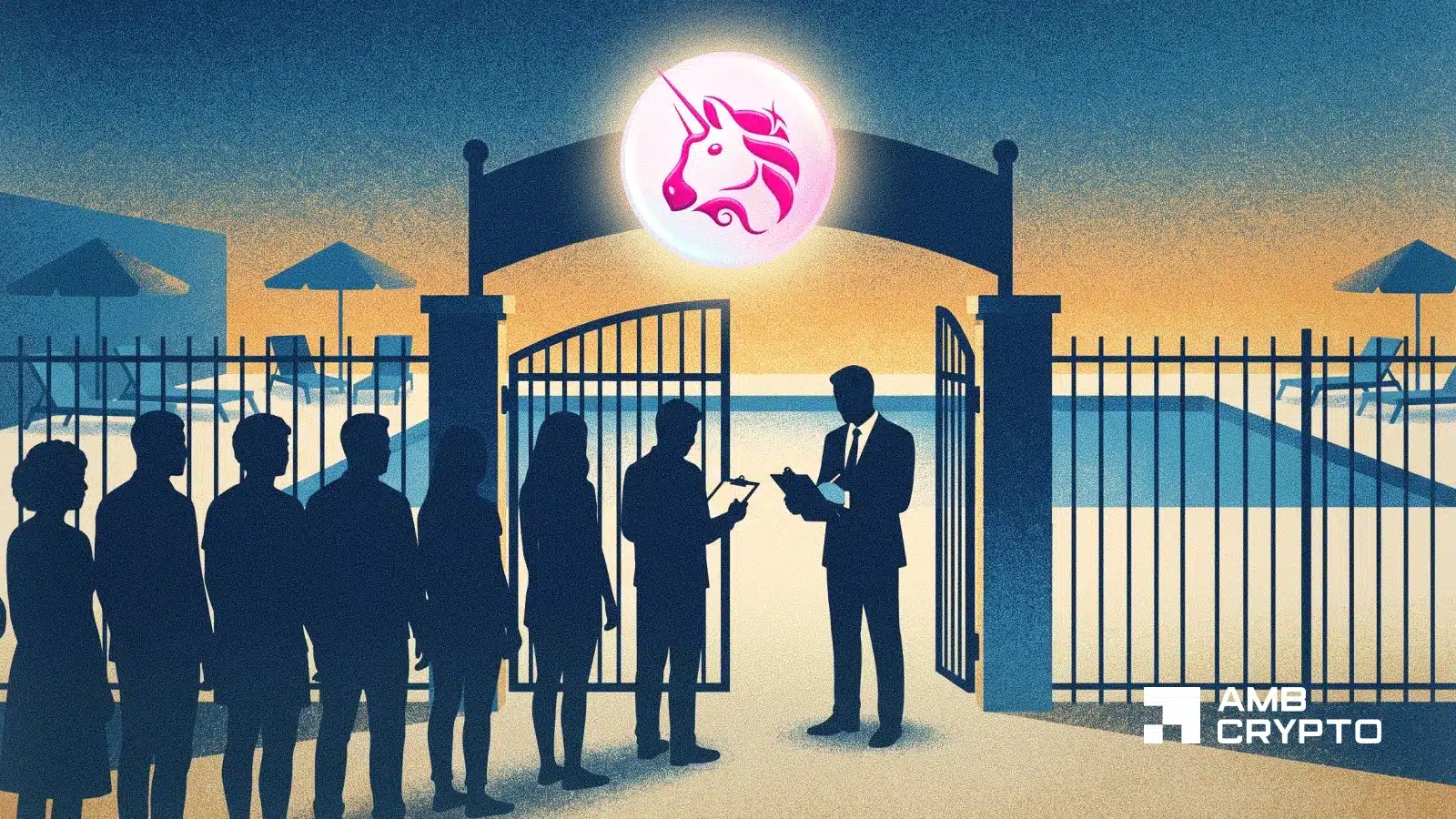
Under this new framework, liquidity pools designated for regulated assets will enforce strict access control. Only wallets that have successfully passed KYC (Know Your Customer) and AML (Anti-Money Laundering) verification—maintained via an allowlist—will be permitted to interact with these pools. Furthermore, the system is designed to automatically flag and block any entity currently subject to international sanctions.
For many purists, this move introduces a degree of centralization that contradicts the foundational principles of DeFi. However, from the perspective of Uniswap’s leadership, this is a necessary concession to bridge the gap between blockchain innovation and global financial regulations.
A Chronology of the Tokenization Push
The transition toward regulated, on-chain assets has been a long-gestating strategy for the decentralized exchange. While the official rollout of these pools marks a major milestone, the context surrounding this decision spans several years of regulatory scrutiny and technological experimentation.
- 2023–2024 (The Regulatory Pressure Phase): During this period, the SEC and various global regulators intensified their scrutiny of decentralized platforms. Traditional financial institutions, led by firms like Citadel Securities, began publicly questioning the legality of non-custodial exchanges, arguing that the lack of intermediaries should not exempt platforms from standard financial disclosures.
- Early 2026 (The Infrastructure Pivot): Uniswap intensified its focus on V4 development, emphasizing the modularity provided by hooks. The goal shifted from being a "Wild West" exchange to building a protocol that could serve as a "neutral" infrastructure for all types of trading.
- July 2026 (The Official Rollout): Uniswap formally announced the launch of permissioned pools, signaling to the market that the platform is ready to host multi-trillion-dollar assets in a compliant manner.
- Mid-2026 (The Market Response): Following the announcement and increased activity on the Robinhood Chain, the native governance token, UNI, experienced a significant market rally, surging over 60% from its June lows.
Supporting Data and Economic Implications
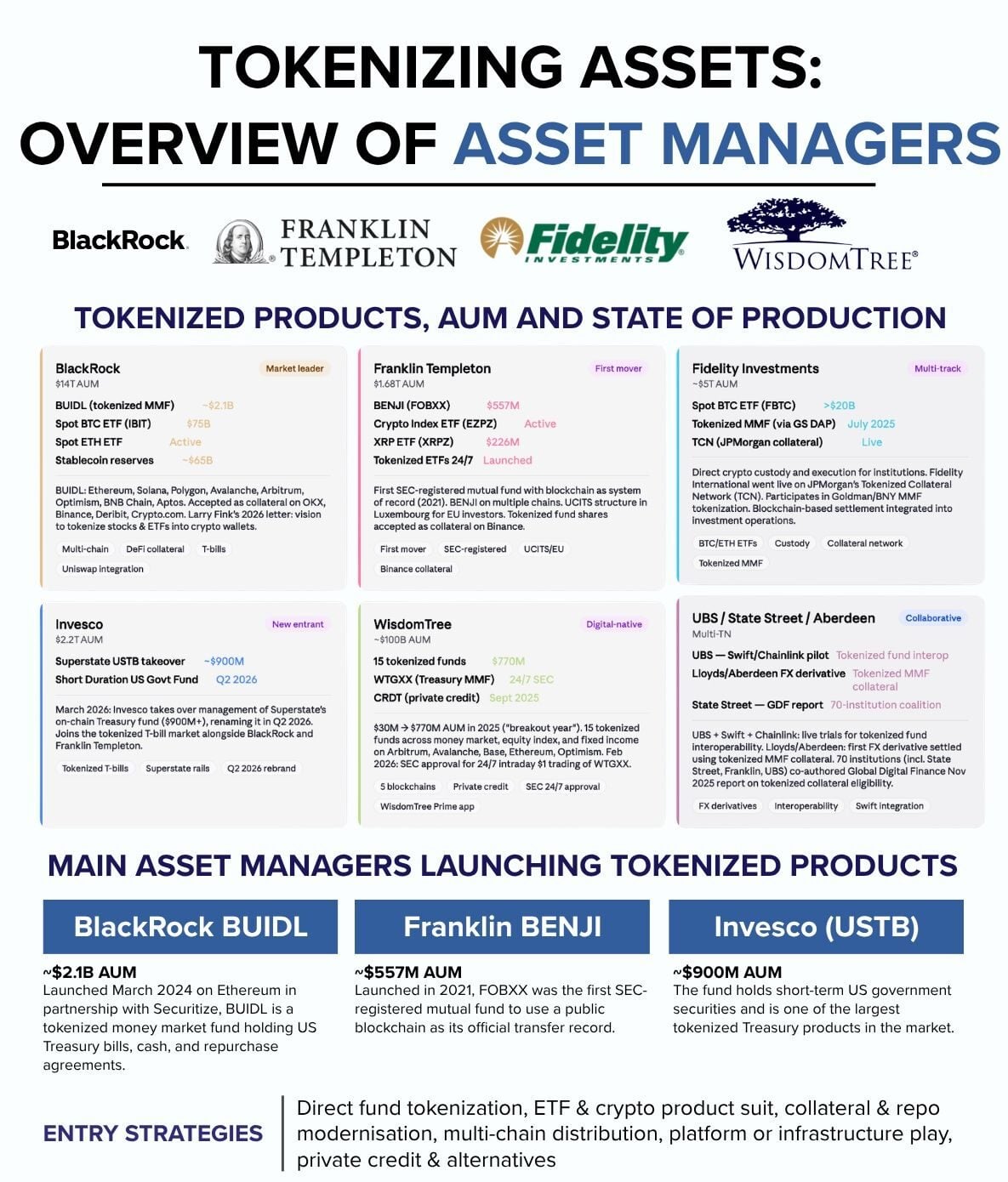
The sheer scale of the opportunity justifies the controversy surrounding this move. Current estimates place the tokenized asset market at approximately $36 billion. However, institutional projections suggest that this sector is poised for exponential growth, with forecasts predicting a valuation of $11 trillion by 2030.
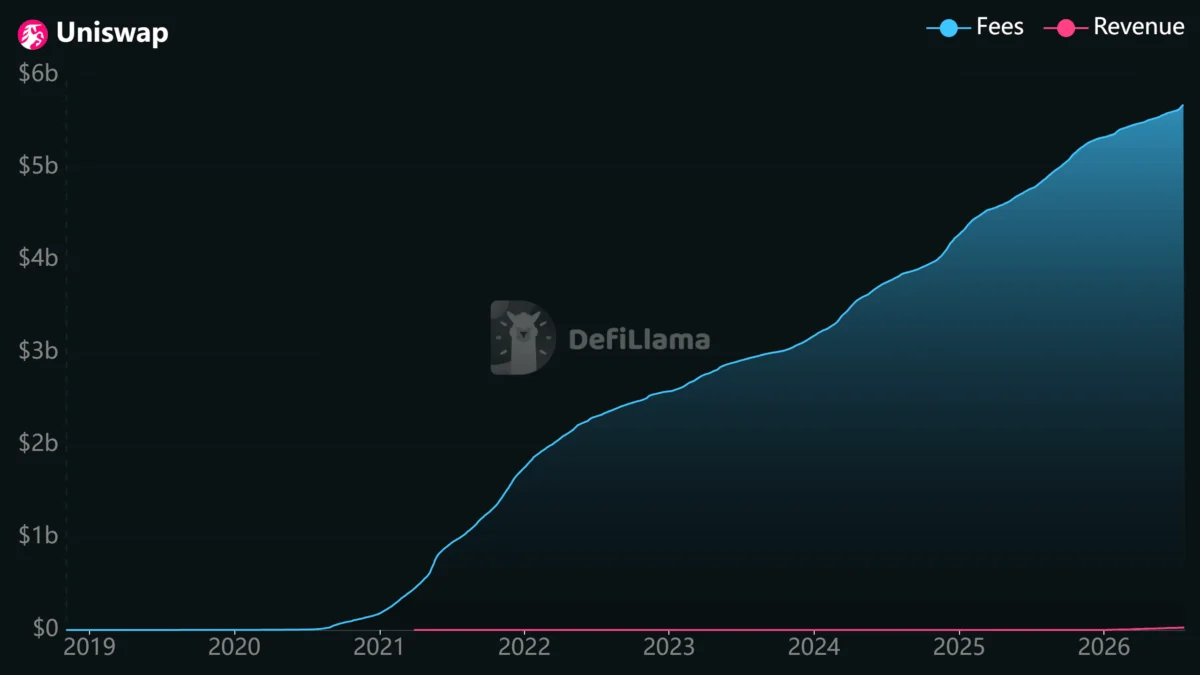
For Uniswap, the economic stakes are equally high. While the protocol has successfully generated over $5.6 billion in cumulative fees since its inception, the vast majority of these funds have been distributed to liquidity providers. The platform’s internal revenue, by contrast, has hovered at a modest $27 million. By enabling permissioned trading for high-volume, regulated assets, Uniswap hopes to capture a larger share of the value chain.
UNI Token Performance and Buyback Dynamics
The project has also been aggressive in its deflationary efforts. In 2026 alone, the protocol has burned roughly 6 to 8 million UNI tokens—an average of 1 million per month. This systematic reduction in supply, coupled with the potential for increased trading volume from institutional-grade assets, provides a compelling narrative for long-term token holders.
Market analysts are currently monitoring the $3.84 price level. Having cleared the 200-day Moving Average, the asset has established a bullish long-term trend. If the current momentum holds, the token could target the $4.17 resistance level, representing a 12% upside. However, traders remain cautious; should the price slip back below the $3.60 support, it could signal a retest of the 50-day moving average at $3.30.
Official Responses and the Regulatory Stance
The move has drawn praise from institutional partners who have long awaited a bridge to DeFi. Hayden Adams, the CEO of Uniswap, has been vocal about the necessity of this shift. According to Adams, the Uniswap protocol is evolving into a comprehensive infrastructure layer for all on-chain trading.
"Some regulated tokens and use cases require permissioned trading," Adams noted. "Uniswap V4 can now more easily support these use cases through this new hook, allowing us to bring regulated assets on-chain while adhering to the same disclosure requirements and monitoring that apply in the traditional financial markets."
This stance is a direct answer to the "technology-neutral" approach adopted by the SEC. By adopting these standards, Uniswap is effectively neutralizing the argument from traditional stock exchanges that DeFi platforms are inherently non-compliant. By building the compliance layer directly into the protocol’s architecture, Uniswap is insulating itself from the legal liabilities that have plagued smaller, less cautious DeFi projects.
Implications for the Future of DeFi
The introduction of permissioned pools creates a bifurcated future for decentralized finance. On one hand, the "permissionless" core of Uniswap will continue to exist, supporting the censorship-resistant, decentralized ethos that characterized the early days of the protocol. On the other, the permissioned layer will become the gateway for Wall Street.
1. The Institutionalization of Liquidity
By providing a safe, KYC-compliant sandbox, Uniswap is inviting massive capital inflows from institutional players who have been historically prohibited from touching permissionless assets. This could lead to a liquidity boom that dwarfs the current DeFi ecosystem.
2. The Standardization of Compliance
Uniswap’s move may set a new industry standard. If the largest DEX in the world adopts these compliance measures, smaller protocols will likely follow suit to remain relevant. This could lead to a "compliance-first" wave of DeFi development, where automated, smart-contract-based KYC becomes the norm rather than the exception.
3. Regulatory Stability
By voluntarily implementing these measures, Uniswap is actively seeking to reduce the friction between itself and the SEC. Rather than fighting for an exemption or pushing for limited legal liability, the platform is choosing to participate in the regulatory framework, thereby securing its position as a "too big to fail" piece of financial infrastructure.
4. Market Competition
The push into tokenized stocks puts Uniswap in direct competition with traditional clearinghouses and centralized exchanges. While it offers the efficiency and transparency of blockchain, it now also offers the compliance and security that traditional institutions demand. This puts immense pressure on legacy financial systems to either innovate or risk obsolescence.
Conclusion: A New Era for the DEX
Uniswap’s foray into permissioned pools is a masterclass in strategic pragmatism. By acknowledging that the future of finance requires a hybrid model—one that balances the transparency of the blockchain with the regulatory necessities of the global financial system—Uniswap is positioning itself to be the dominant exchange for the next decade.
While the "centralization" of these specific pools will inevitably draw criticism from the community, the long-term sustainability of the protocol depends on its ability to scale beyond retail-only markets. If the projected $11 trillion tokenization boom materializes, Uniswap’s V4 architecture will be remembered as the pivotal infrastructure that allowed the legacy and digital financial worlds to finally merge. As the project continues to refine its fee structure, increase its burn rates, and expand its reach through chains like Robinhood, the path forward seems clear: the protocol is moving from a disruptor to an essential pillar of the global economy.
