

Uniswap, the decentralized finance (DeFi) giant, finds itself at the center of a heated industry debate following the launch of its new token issuance platform, "Trade Pools." While the platform was designed to democratize access and lower costs for retail traders, it has sparked intense scrutiny from critics who fear that the move is a thinly veiled attempt to dominate the memecoin landscape by mirroring the predatory fee structures seen on platforms like PumpFun.
The launch, which undercuts existing market competitors by charging a significantly lower 0.25% trading fee compared to the industry standard of 1%, has triggered a wider conversation about the ethics of decentralized launchpads and the role of major protocols in the speculative memecoin economy.
The Genesis of the Controversy
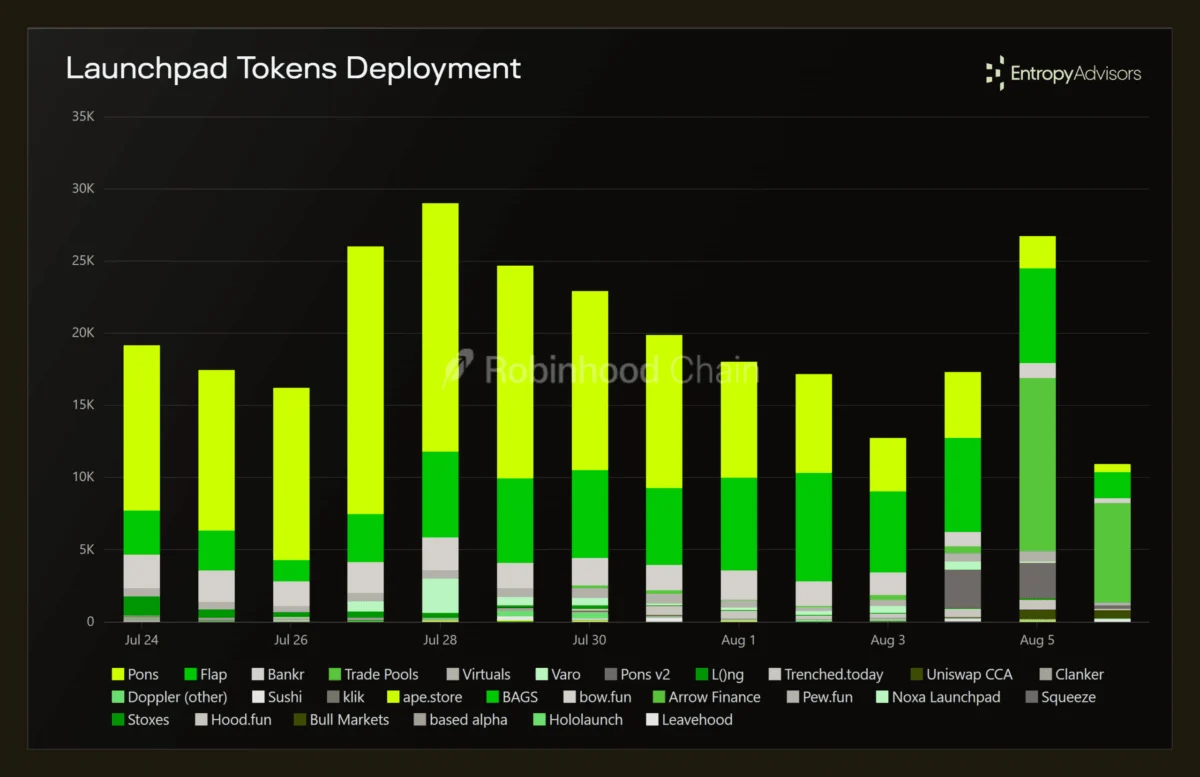
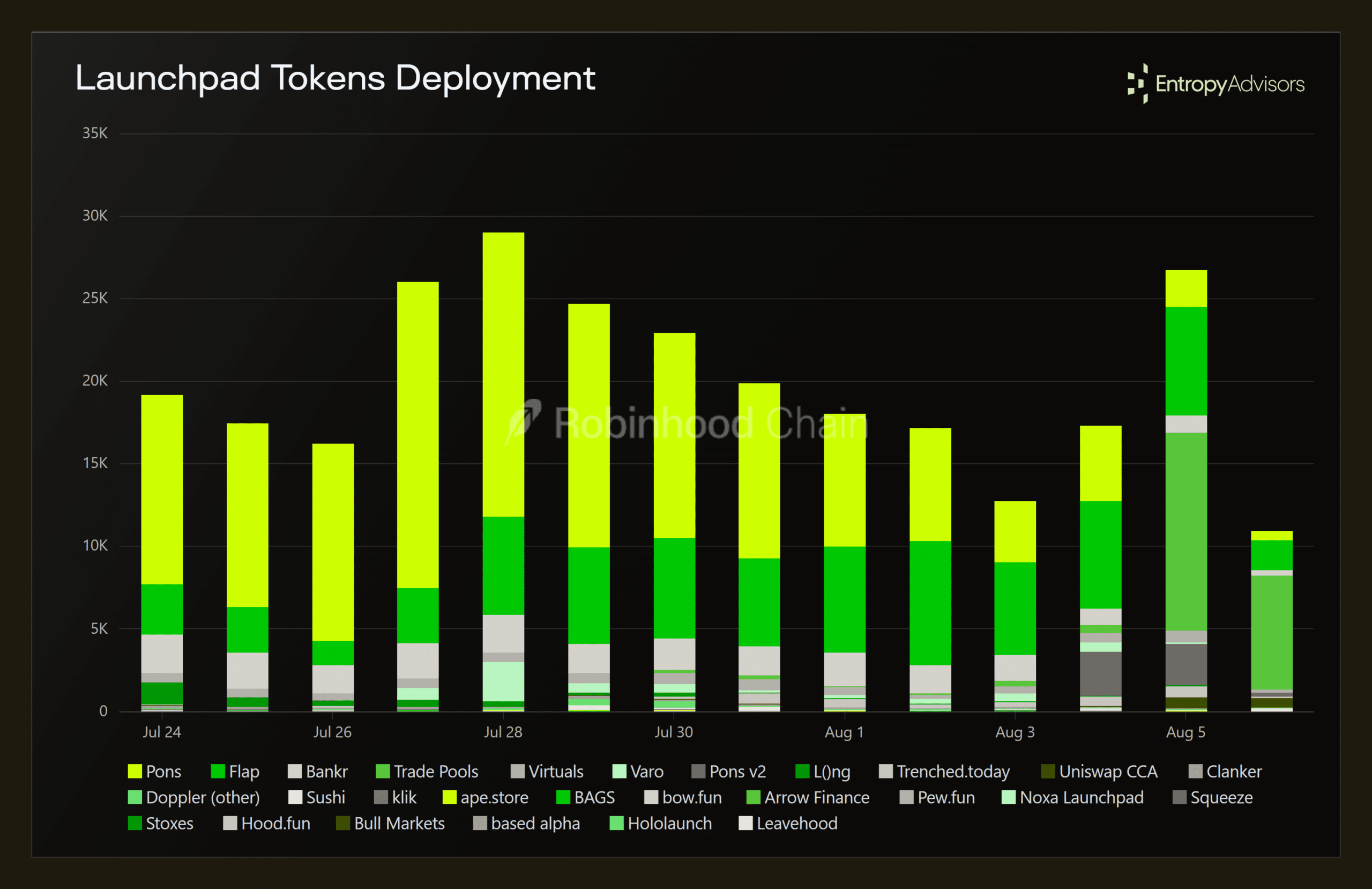
The tension began shortly after Uniswap rolled out its native launchpad capabilities. Originally, the company introduced "Uniswap Launches," a project designed to serve as an aggregator, bringing various external token launchpads together into a unified, user-friendly interface. This initial offering—launched strategically on the Robinhood Chain to capitalize on a surge of speculative activity—featured established players such as Pons, Flap, and Bankr.
However, Uniswap’s pivot from a neutral aggregator to a direct competitor has raised eyebrows. By debuting "Trade Pools," an internal, native launchpad that effectively operates as a 4x cheaper alternative to the platforms it previously hosted, Uniswap has been accused of "value extraction." Critics argue that Uniswap is leveraging its massive brand equity to crush smaller competitors, questioning whether the protocol is adopting the same "extractive" tendencies that have made platforms like PumpFun both highly profitable and widely criticized for draining liquidity from the retail ecosystem.
Official Stance: Hayden Adams on the "Quality Bet"
In response to the growing backlash, Uniswap CEO Hayden Adams took to social media to clarify the protocol’s intent. Adams firmly rejected the notion that the platform was designed to exploit users, framing the move instead as an investment in sustainable infrastructure.
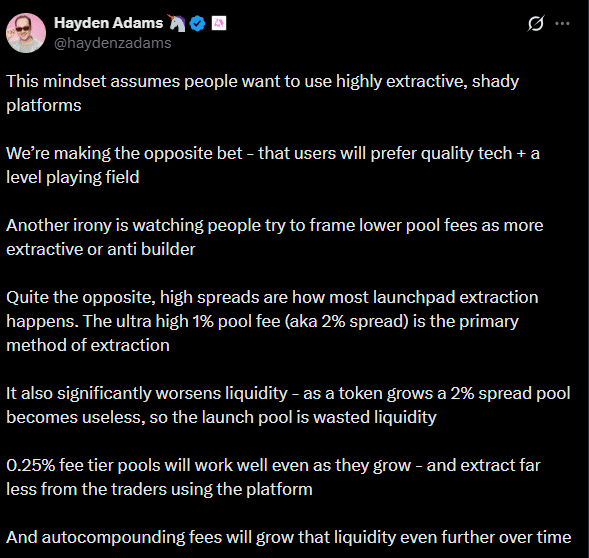
"This mindset assumes people want to use highly extractive, shady platforms," Adams stated. "We’re making the opposite bet—that users will prefer quality tech and a level playing field."
Adams highlighted that the 0.25% fee structure is a calculated move to ensure long-term viability without burdening the end-user. He argued that lower fees allow for more efficient market activity, which will ultimately work in favor of traders as the platform scales. By positioning Uniswap as a "non-extractive" alternative to the current memecoin factory model, Adams is attempting to redefine the standards of the token launchpad space, suggesting that high-quality, low-cost decentralized architecture can eventually outperform the "shady" incumbents.
Chronology of the Robinhood Chain Expansion
The launch of Trade Pools is not an isolated event but a critical component of Uniswap’s aggressive growth strategy on the newly established Robinhood Chain.
- Last Month: The Robinhood Chain debuted, triggering a frenzy of speculative memecoin trading. Uniswap, recognizing the shift in retail interest, prioritized this L2 for its integration efforts.
- Early August: Uniswap Launches went live, acting as an aggregator to capture immediate market interest.
- Post-Launch Period: Observing the high volume, Uniswap moved to consolidate its position by launching Trade Pools directly on the chain, bypassing the need for third-party launchpad reliance.
- Current State: Within 48 hours of the release, Trade Pools became the dominant launchpad on the Robinhood Chain, signaling a rapid shift in user preference toward the lower-cost, high-throughput environment provided by the DEX.
Strategic Implications: The Push for Uniswap V4
Data experts have identified that the launch of Trade Pools serves a purpose beyond mere fee reduction; it is a tactical maneuver to drive adoption of the Uniswap V4 protocol.
Tom Wan, the head of data at Entropy Advisors, provided a compelling analysis of the situation. "I read Trade Pools as a strategic push to drive usage of Uniswap v4," Wan noted. "Most launchpads today graduate tokens into v3, while Trade Pools routes directly into v4."
This distinction is vital for the protocol’s future. Uniswap V4 introduces advanced features such as "hooks," which allow for highly customizable liquidity pools. By forcing new token launches directly into the V4 ecosystem, Uniswap is ensuring that the next generation of tokens is built upon its most advanced technology, effectively "locking in" the next wave of memecoin developers and liquidity providers to their newest architecture.
The data supports this narrative. In the 48-hour window following the debut of Trade Pools, Uniswap V4 trading volume surged from $100 million to over $237 million—a 2.4x increase that highlights the power of the new launchpad as a growth engine.
Market Dynamics: Robinhood vs. Solana and BNB Chain
The success of Trade Pools has had significant implications for the competitive landscape of Layer 2 and Layer 1 blockchains. The Robinhood Chain, bolstered by Uniswap’s aggressive integration, is rapidly climbing the ranks of chain activity.
On-chain data reveals that the Robinhood Chain recorded nearly $600 million in launchpad volume last week, decisively outperforming the BNB Chain’s $400 million. While the chain is still far from the multi-billion dollar dominance of the Solana ecosystem—which continues to lead with approximately $3 billion in volume, driven by established giants like PumpFun and Bonkfun—the gap is narrowing.
The rapid growth of the Robinhood Chain suggests that users are highly price-sensitive. By offering a platform that is 4x cheaper than the alternatives, Uniswap has successfully incentivized a significant migration of liquidity. If this trend continues, the Robinhood Chain may soon challenge Solana for the top spot in memecoin issuance, provided that the current growth rate is sustainable and not merely a result of initial hype.
Financial Impact and UNI Market Reaction
The market’s reception to the news was largely positive, though tempered by broader macroeconomic conditions. Following the announcement and the subsequent surge in V4 volume, the price of the UNI token jumped 5% to reach $4.19.
This upward momentum is part of a broader recovery for the token, which had been struggling throughout July. Beyond the launchpad news, investor sentiment is also being influenced by ongoing discussions regarding the "fee switch"—a proposal to allow UNI token holders to collect a portion of the protocol’s trading fees. While the fee switch has been a point of contention and a source of "FUD" (fear, uncertainty, and doubt), the success of Trade Pools provides a tangible example of how Uniswap is working to generate new revenue streams and increase utility for its ecosystem.
The Future of Decentralized Launchpads
The friction between Uniswap and the broader launchpad market serves as a microcosm for the evolution of DeFi. As the industry moves away from the "wild west" era of high-fee, high-risk platforms, we are witnessing a flight to quality.
The core of the dispute remains: Is it possible to have a sustainable launchpad that doesn’t rely on extracting excessive value from users?
Hayden Adams and the Uniswap team believe the answer is yes. By commoditizing the launchpad function and integrating it into the core protocol, they are challenging the business models of smaller, specialized platforms. For developers and traders, the result is a lower barrier to entry and reduced costs. For the market, it represents a consolidation of power—a trend that will likely define the next stage of DeFi development.
As the Robinhood Chain continues to mature, all eyes will be on whether Uniswap can maintain this momentum. If Trade Pools can scale without compromising the security or decentralization that users expect from the protocol, Uniswap may well succeed in its "opposite bet," proving that quality and low costs can indeed win out over extractive, high-fee competition. However, the protocol must navigate the fine line between innovation and market dominance, ensuring that it remains a platform for the community rather than becoming the very "extractive" entity its critics fear.
