


In a landmark development for the decentralized finance (DeFi) sector, Uniswap has officially launched its first "permissioned pools," marking a significant evolution in the protocol’s architecture. By leveraging the advanced capabilities of Uniswap V4, the exchange is positioning itself at the vanguard of the burgeoning tokenized asset market. This move, executed in collaboration with industry heavyweights Securitize, Superstate, and Dowgo, signals a pragmatic shift toward blending the efficiency of on-chain trading with the stringent regulatory compliance required by institutional capital.
The Genesis of Permissioned Pools: Bridging DeFi and Regulation
For years, the core ethos of decentralized exchanges (DEXs) has been "permissionless"—anyone with a wallet could trade any asset without oversight. However, as the industry matures, the friction between anonymous, borderless liquidity and the legal requirements of traditional finance (TradFi) has become a primary bottleneck for institutional adoption.
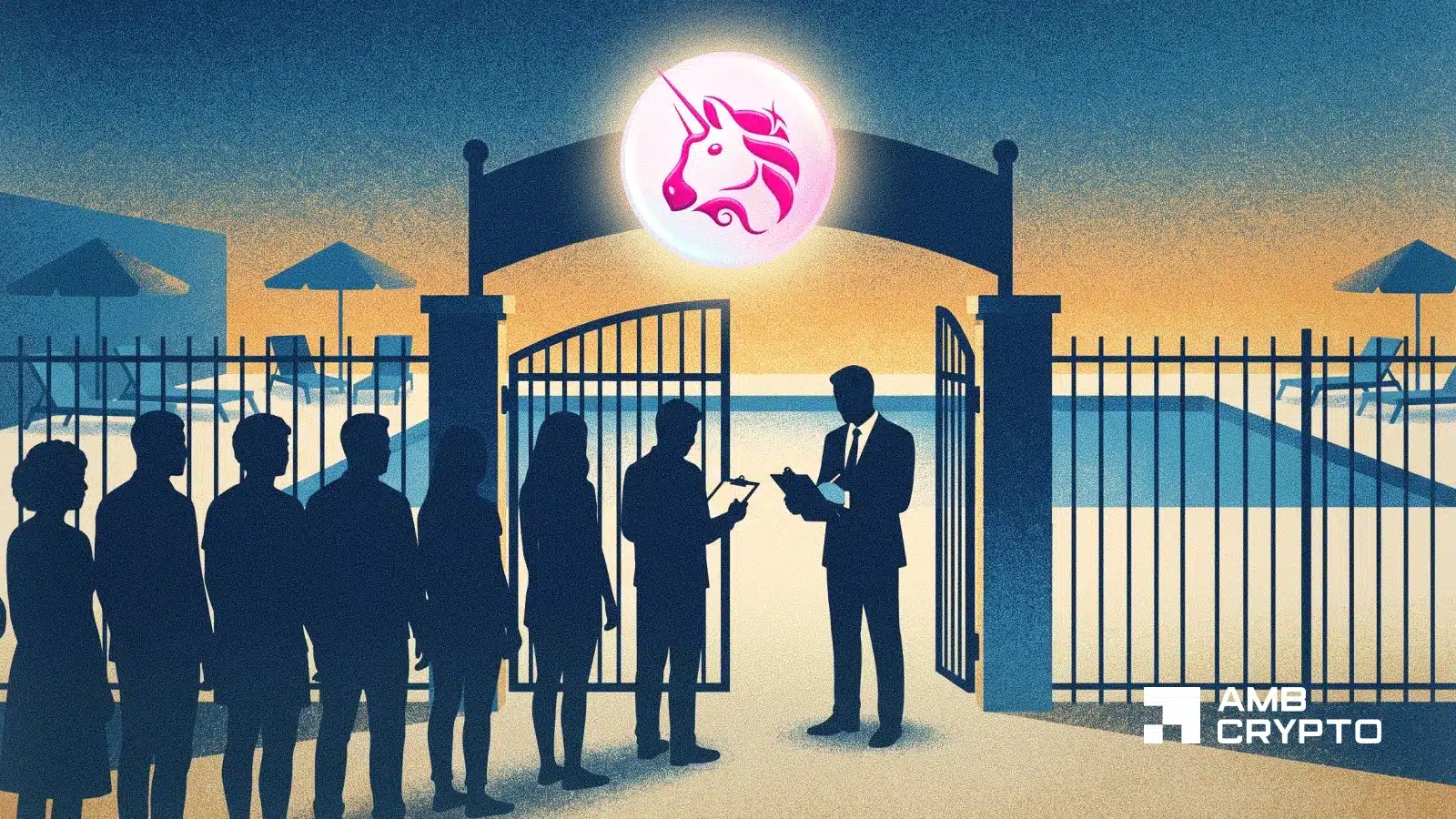
Uniswap’s introduction of permissioned pools on V4 addresses this by introducing a "hook" mechanism that allows for conditional logic within liquidity pools. These new pools are specifically designed to handle regulated tokens, such as tokenized stocks, real estate, and government-backed ETFs. By restricting swaps and liquidity provisioning to an allowlist of verified, KYC-compliant wallets, Uniswap is effectively creating a walled garden within its broader, open ecosystem.
Crucially, this architecture incorporates automated compliance layers. Any wallet identified as a sanctioned entity or falling outside the regulatory scope of the specific asset is automatically flagged and blocked at the smart-contract level. This represents a subtle yet profound shift: the introduction of centralized oversight within a decentralized framework to satisfy global financial regulators.
Chronology of a Regulatory Evolution
The trajectory toward this launch was neither sudden nor arbitrary. It is the culmination of years of industry pressure and technological refinement:
- 2023–2024 (The Regulatory Squeeze): As the U.S. Securities and Exchange Commission (SEC) intensified its scrutiny of crypto assets, the industry faced a crossroads. Traditional financial giants, including Citadel Securities and major banking institutions, began pushing back against the notion that non-custodial platforms should be exempt from standard market disclosure and monitoring requirements.
- Early 2026 (Technological Readiness): Uniswap signaled its intent to evolve beyond a simple spot-trading venue. The development of V4’s "hooks"—customizable plug-ins that allow developers to modify pool logic—provided the technical foundation for restricted access.
- Mid-2026 (The Strategic Partnership): In partnership with Securitize, Superstate, and Dowgo, Uniswap began the pilot testing of permissioned liquidity pools. These partners provided the necessary infrastructure for identity verification and asset tokenization.
- July 2026 (Official Rollout): Uniswap officially enabled the infrastructure, marking the first time the protocol has actively restricted participation in specific pools to ensure compliance with SEC mandates and international anti-money laundering (AML) laws.
Supporting Data: The $11 Trillion Opportunity
The shift toward permissioned pools is not merely a compliance play; it is a calculated bet on the future of global asset management. While the current tokenized asset market is valued at approximately $36 billion, projections from major financial institutions suggest this figure could balloon to $11 trillion within the next four years.
Financial Performance Metrics
The financial health of the Uniswap protocol continues to show resilience, even as it pivots toward institutional-grade infrastructure:
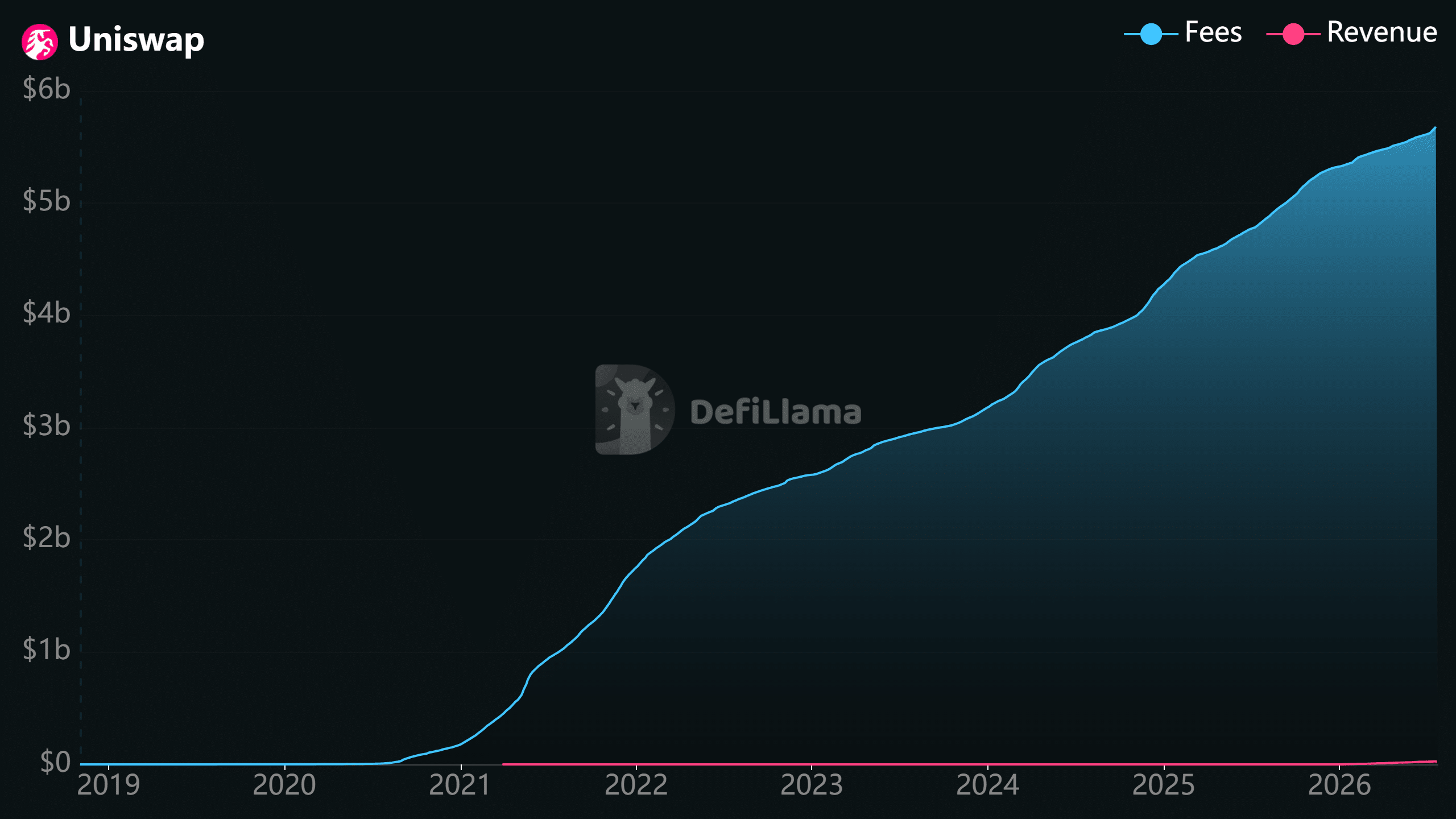
- Cumulative Fees: To date, the protocol has generated over $5.6 billion in total fees. While the majority of this capital is distributed to liquidity providers to incentivize market depth, the recent activation of protocol fees across multiple chains has created a new revenue stream.
- Revenue Generation: Current protocol revenue sits at approximately $27 million. While this is a modest fraction of the total volume handled, the implementation of fee-sharing mechanisms is designed to increase the sustainability of the project.
- Token Buybacks: As part of the protocol’s ongoing tokenomics strategy, Uniswap has burned between 6 million and 8 million UNI so far in 2026. This equates to an average burn rate of 1 million UNI per month, a deflationary mechanism intended to reward long-term governance participants.
Official Responses and Industry Sentiment
Uniswap CEO Hayden Adams has been vocal about the necessity of this shift. In a recent statement, he framed the move as an expansion of Uniswap’s mandate:
"The Uniswap protocol is infrastructure for all on-chain trading. Some regulated tokens and use cases require permissioned trading. Uniswap v4 can now more easily support these use cases through this new hook. Our goal is to bring regulated assets on-chain, ensuring that we remain the primary venue for global liquidity, whether that liquidity is retail or institutional."
The reaction from the broader industry has been mixed but largely constructive. Proponents of decentralization have expressed concerns regarding the "centralization" of a portion of the DEX, fearing it could set a precedent for future censorship. However, institutional analysts argue that without these concessions, the $11 trillion tokenization boom would simply bypass DeFi entirely in favor of private, bank-led blockchains.
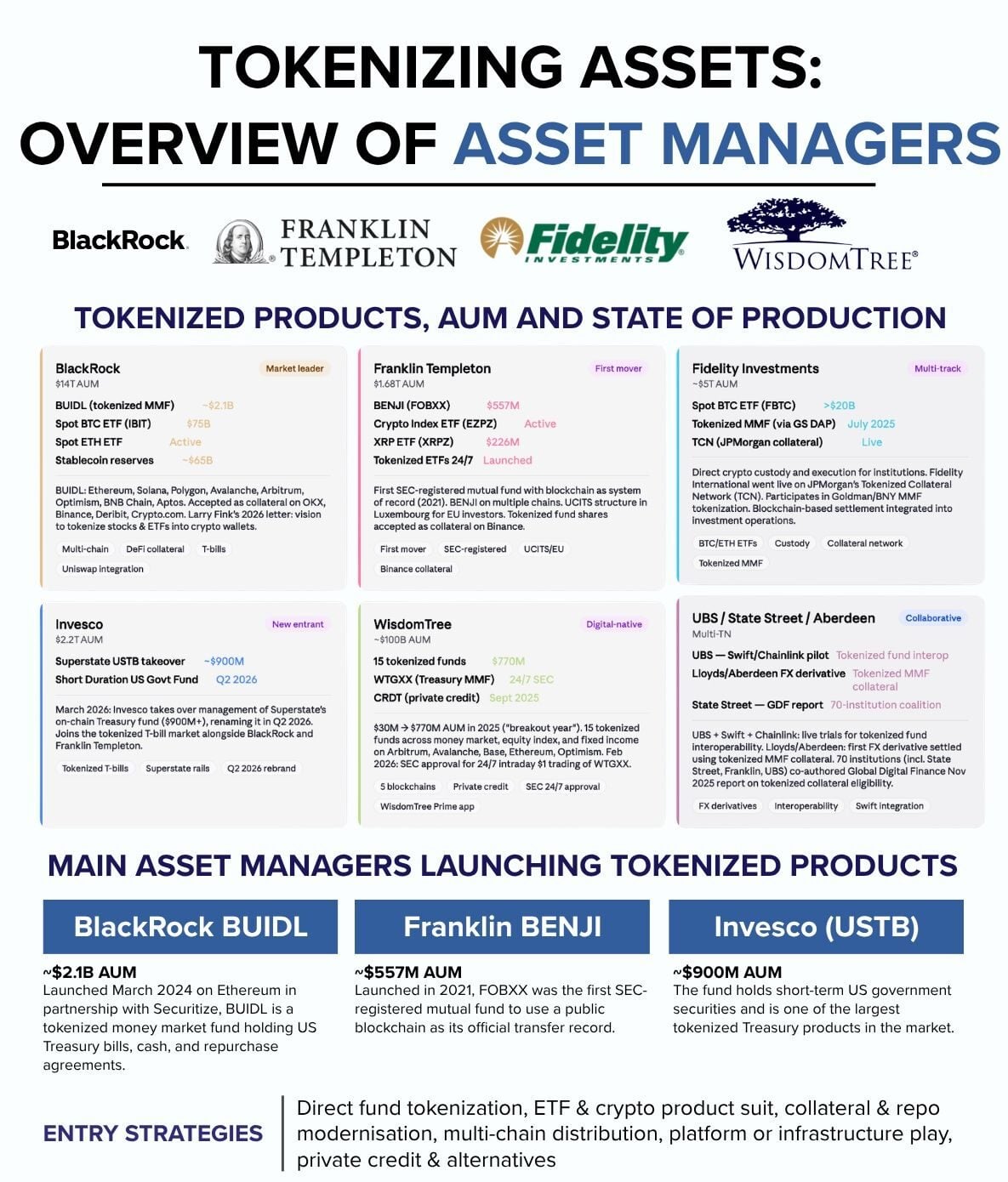
TradFi participants have welcomed the move, noting that the SEC’s "technology-neutral" stance means that the same disclosure requirements applicable to the NYSE or Nasdaq must eventually apply to on-chain platforms. By proactively implementing these checks, Uniswap has effectively removed the "compliance risk" barrier that previously kept institutional capital on the sidelines.
Implications for the Future of DeFi
The implications of this pivot are far-reaching, affecting both the technical roadmap of the protocol and the broader DeFi ecosystem.
1. Market Segmentation
Uniswap is effectively bifurcating its ecosystem. We are likely to see the emergence of "Permissionless Uniswap" for traditional crypto-native assets (like ETH, stablecoins, and memecoins) and "Institutional Uniswap" for real-world assets (RWAs). This segmentation allows the protocol to maintain its decentralized roots while simultaneously acting as a bridge to Wall Street.
2. The Role of Governance
As Uniswap integrates more regulated features, the governance of the UNI token becomes more complex. Token holders will now have to vote on the implementation of compliance filters, sanction lists, and partner agreements. This introduces a new layer of legal responsibility for the DAO, potentially requiring a more sophisticated legal structure to protect the interests of its decentralized stakeholders.
3. Impact on UNI Price and Market Structure
The recent rally of the UNI token, which surged nearly 61% from its June lows, has been bolstered by increased on-chain activity and the integration of the protocol with the Robinhood Chain. From a technical perspective, UNI’s positioning above the 200-day Moving Average suggests a strengthening bullish structure.
- The Bull Case: If the permissioned pools successfully attract institutional volume, the resulting fee revenue and increased demand for the UNI token could drive a sustained rally, potentially testing the Q2 peak of $4.17 and beyond.
- The Risk Factor: The bullish setup remains contingent on the protocol holding the 200-day Moving Average, currently situated at $3.60. A failure to maintain this support could lead to a correction toward the 50-day Moving Average at $3.30, reflecting market anxiety regarding the potential costs of compliance or unforeseen regulatory headwinds.
Conclusion: A New Era of DeFi
Uniswap’s foray into permissioned pools represents the maturation of DeFi from a disruptive experiment into a foundational layer of the global financial system. By embracing the necessity of regulation, Uniswap is not abandoning its decentralized principles; rather, it is evolving them to accommodate the next generation of asset classes.
As the $11 trillion tokenization opportunity begins to materialize, the ability to balance the agility of smart contracts with the constraints of legal compliance will define the winners of the next market cycle. For now, Uniswap has placed a firm bet that being the "infrastructure for all on-chain trading" requires the flexibility to serve both the rebel and the regulator. Whether this strategic shift leads to long-term dominance or a loss of ideological purity remains to be seen, but one thing is certain: the era of "pure" DeFi is giving way to a more pragmatic, integrated, and institutionalized reality.
